
Why Private Equity Income Often Needs Specialist Mortgage Structuring
Private equity professionals are often surprised to find that high total compensation does not automatically translate into straightforward mortgage approval.
The issue is rarely income level. More often, it is how private equity remuneration is structured and how conservatively it is assessed by lenders using standard affordability models.
This article explains why private equity income frequently requires specialist mortgage structuring, and what typically matters in practice.

DIRECTOR AND MORTGAGE ADVISER
Specialist broker for high-earning professionals and complex income cases.
Summary
Private equity income is complex by design. Mortgages usually work best when structured around reliable income today, while allowing flexibility for future carry.
Who This Article Is For
This is most relevant if you:
Work in private equity, growth equity, or private credit
Receive income via salary, bonus, and carried interest
Are considering a property purchase or remortgage
Expect compensation to change materially over a fund lifecycle
How Private Equity Income Typically Looks
Private equity remuneration commonly includes:
Fixed base salary
Annual cash bonus
Carried interest paid irregularly and over long time horizons
While total compensation may be substantial, only part of it is predictable in the short term.
From a lender’s perspective, this introduces uncertainty — particularly around the timing and reliability of future income.
Why Standard Mortgage Models Struggle
Most mainstream affordability models are designed for:
Predictable PAYE income
Regular cash flow
Limited reliance on deferred or contingent pay
Carried interest, in particular, does not fit neatly into these frameworks because:
Payments depend on fund exits
Timing is uncertain
Values are not known at application stage
As a result, carry is usually excluded from affordability altogether.
Private equity income often benefits from specialist structuring where:
Carry represents a meaningful portion of total compensation
Loan size is high relative to base salary
Borrowing is needed before carry has crystallised
Income is expected to change significantly over time
In these situations, structure usually matters more than headline numbers.
What Lenders Typically Focus On Instead
When assessing private equity income, lenders generally prioritise:
Base salary
Annual bonus sustainability
Length of time in role
Seniority and firm profile
Rather than maximising borrowing, lenders aim to ensure that monthly commitments remain affordable without relying on speculative future income.
How Mortgages Are Often Structured for PE Professionals
More effective approaches commonly involve:
Excluding carry from affordability calculations
Using conservative assumptions on bonus income
Adjusting term length to manage early-stage cash flow
Introducing part interest-only elements where appropriate
This allows borrowing to work before carry pays out, while keeping future options open once income events occur.
Practicle Examples
A PE professional secured borrowing using salary and bonus only, with flexibility to repay capital once carry crystallised.
Another avoided overstretching by aligning mortgage structure with the fund’s expected exit timeline.
Two professionals with similar roles saw very different outcomes due solely to lender policy and structuring approach.
Key Takeaway
Private equity income rarely fits standard mortgage models, not because it is weak, but because it is non-linear and long-term.
Specialist structuring focuses on affordability today, while anticipating known future income events, rather than forcing speculative assumptions into the application.
Read our full guide to mortgages for private equity professionals →
FAQs
-
Generally no. Carry is usually excluded due to its irregular and uncertain timing.
-
Yes, depending on lender policy and how sustainability is evidenced.
-
It can be, particularly where income is uneven or expected to rise materially.
-
Often yes, subject to lender criteria and structure.
A short conversation can help clarify how private equity income is likely to be assessed.
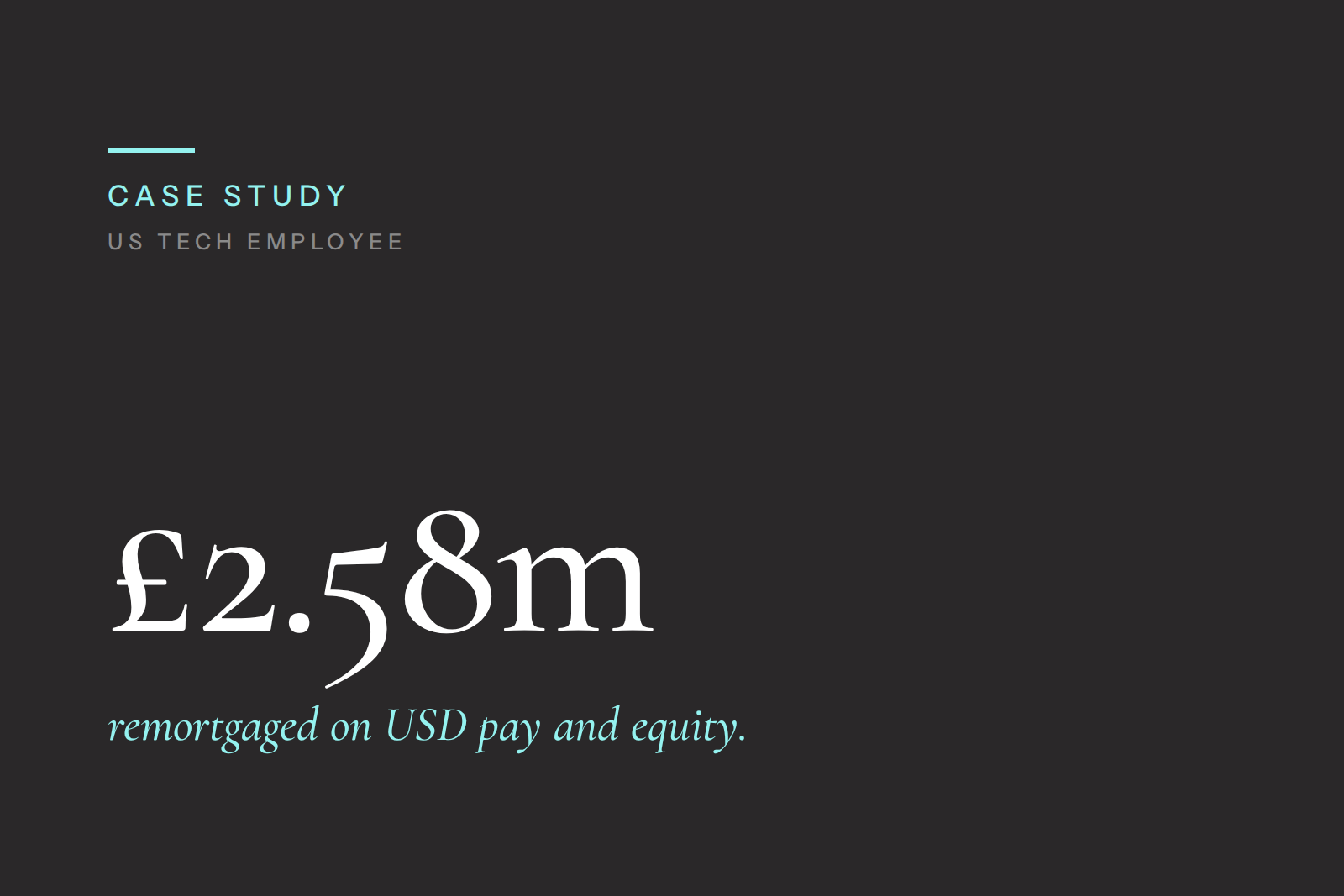
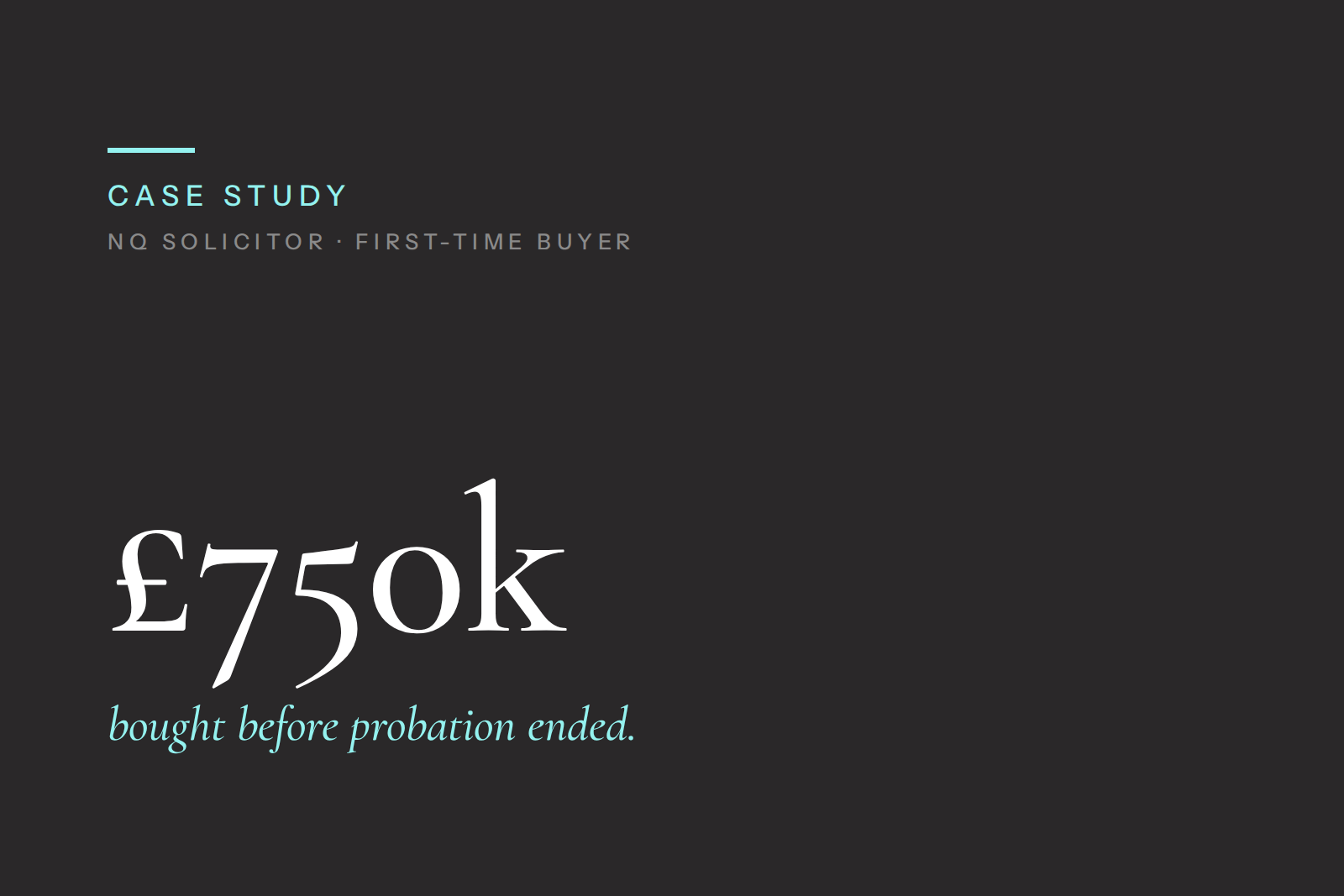
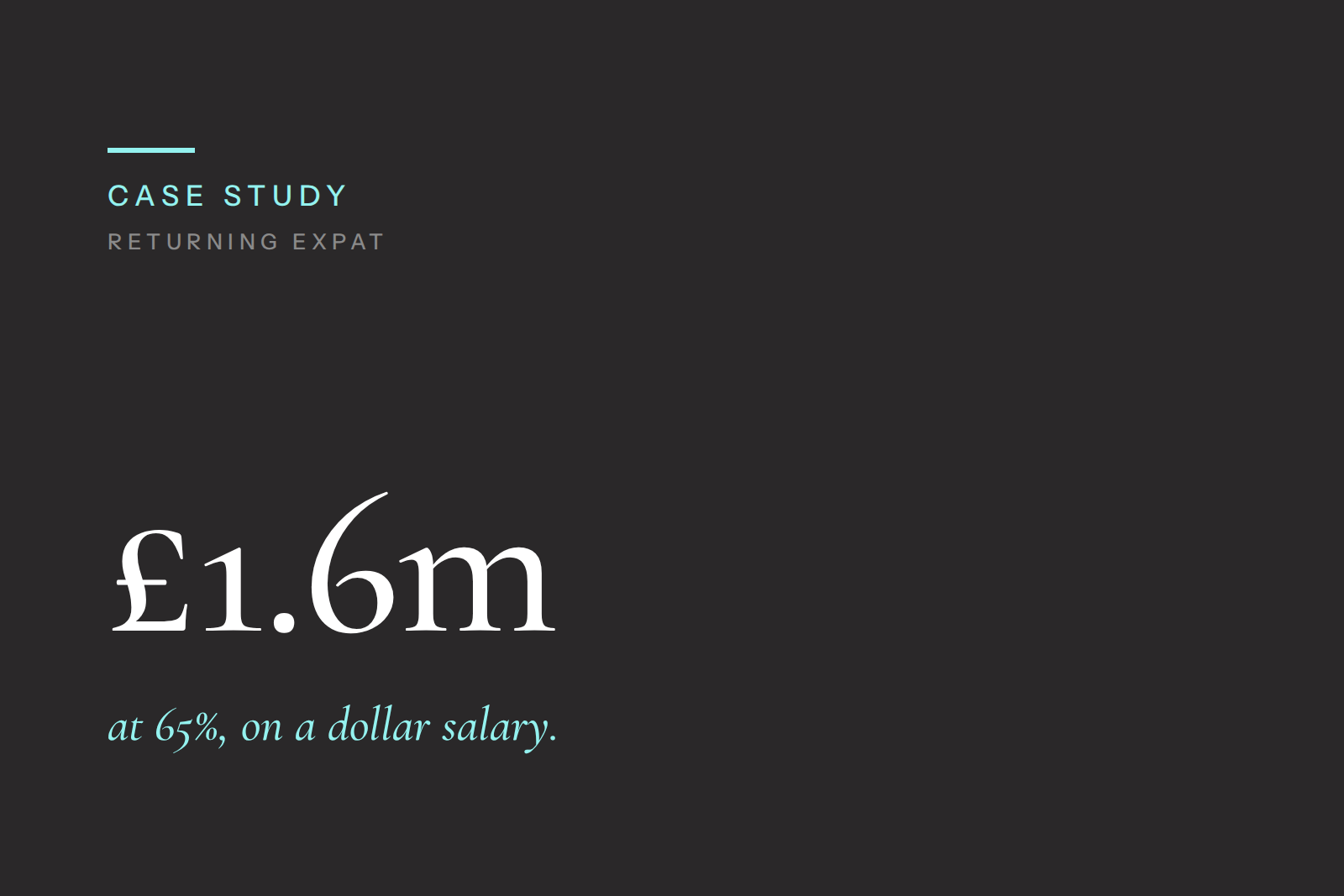
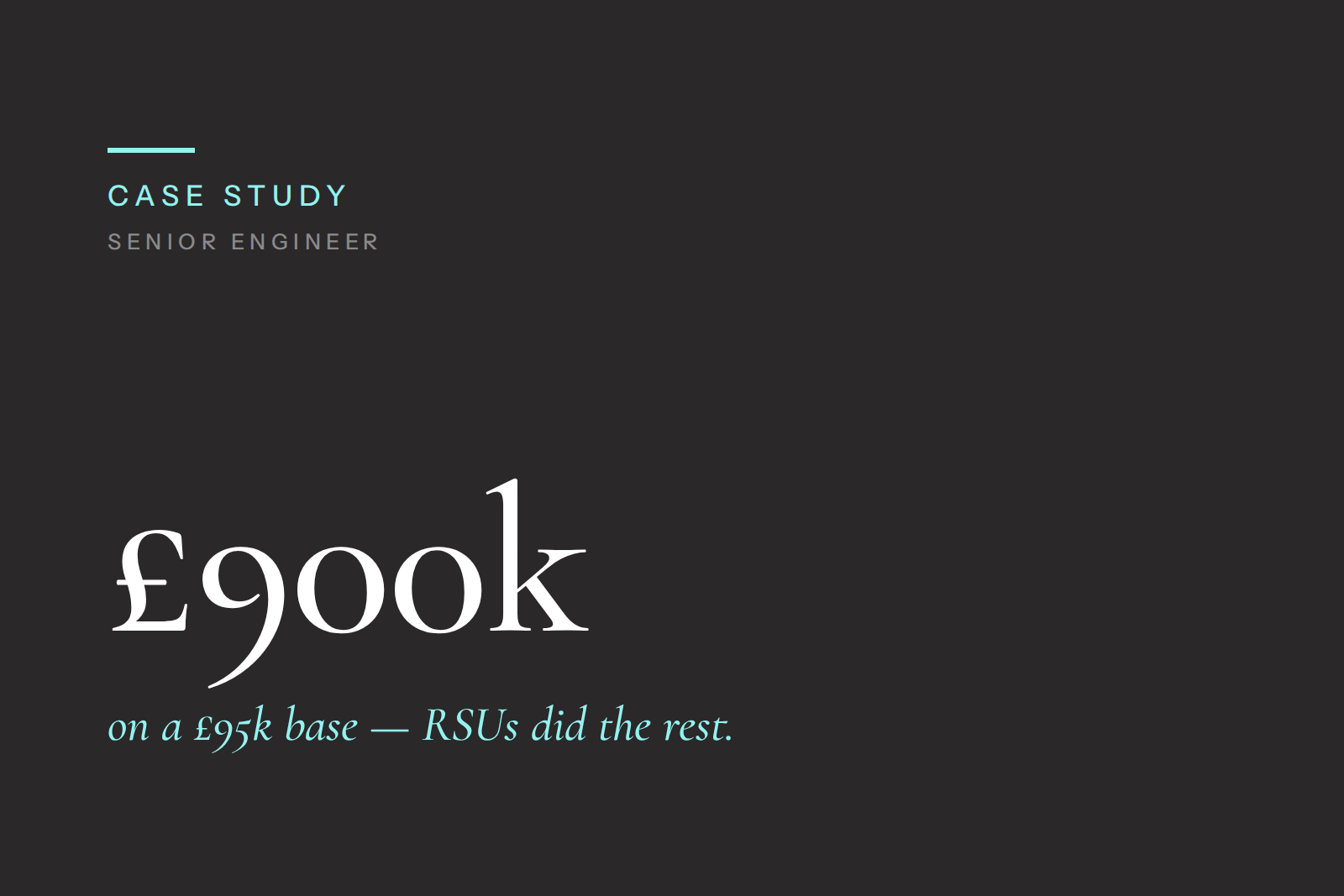
How We’ve Helped Clients Like You
These clients faced similar challenges - here’s how we helped them secure the right deal.

























Related Articles






























19 Mar - Written By David Walsh
YOUR HOME MAY BE REPOSESSED IF YOU DON’T KEEP UP REPAYMENTS ON YOUR MORTGAGE
Kite Mortgages is a trading style of Kite Financial Ltd which is an appointed representative of The Openwork Partnership, a trading style of Openwork Limited which is authorised and regulated by the Financial Conduct Authority.
APPROVED BY THE OPENWORK PARTNERSHIP ON 02/02/2026.