
RSUs and Mortgages: How Equity Compensation Is Really Assessed
Equity compensation has become a significant part of remuneration for professionals in technology, finance, and growth-stage businesses. For many, Restricted Stock Units (RSUs) now represent a meaningful proportion of total income.
From a mortgage perspective, however, RSUs are often misunderstood. Borrowers are frequently surprised by how conservatively they are treated — or excluded altogether — when affordability is assessed.
This article explains how RSUs are typically viewed by lenders, why outcomes vary so widely, and what usually matters in practice.

DIRECTOR AND MORTGAGE ADVISER
Specialist broker for high-earning professionals and complex income cases.
Summary
RSUs are rarely treated like salary. How they are assessed depends less on headline value and more on vesting certainty, payment history, and lender policy.
Who This Article Is For
This is most relevant if you:
Receive part of your compensation in RSUs
Work in technology, finance, or a listed US firm
Have vested or unvested equity awards
Are considering a mortgage or remortgage at a higher loan size
What RSUs Are (From a Lender’s Perspective)
Restricted Stock Units are equity awards that vest over time, subject to continued employment and, in some cases, performance conditions.
From a lender’s point of view, RSUs are:
Non-guaranteed
Often paid in shares rather than cash
Dependent on future vesting events
Exposed to market value fluctuations
This places them firmly outside standard PAYE income categories.
Why RSUs Are Treated Conservatively
Most mortgage lenders prioritise:
Predictability
Sustainability
Evidence of regular receipt
RSUs can fail these tests where:
Vesting is irregular or back-weighted
Awards are unvested at the time of application
Sale and conversion to cash are inconsistent
Equity value fluctuates materially
As a result, many lenders exclude RSUs entirely or apply significant discounts.
How Different Lenders Approach RSUs
Approaches vary widely and may include:
Excluding RSUs altogether
Including vested RSUs only
Averaging historic RSU income over multiple years
Applying conservative assumptions to future vesting
There is no single “standard” approach. Outcomes depend heavily on lender policy and how RSUs are evidenced.
RSUs are more likely to be considered where:
Vesting is regular and historic
Income has been received and declared consistently
Awards are not relied upon exclusively for affordability
Where RSUs represent future potential rather than established income, lenders will usually take a more cautious view.
What Usually Matters More Than Headline RSU Value
Vesting History
Lenders are far more comfortable where RSUs have vested consistently over time.
Predictability
Regular annual or quarterly vesting is viewed differently from sporadic awards.
Liquidity
RSUs that are routinely sold and converted to cash are easier to evidence than those retained.
Employment Context
RSUs linked to stable, listed employers are typically treated differently from equity in earlier-stage businesses.
When RSUs May Not Be Needed for Affordability
In some cases, borrowers choose not to rely on RSUs at all, particularly where:
Base salary and bonus already support borrowing needs
RSUs are intended for long-term wealth rather than cash flow
Using RSUs would add unnecessary complexity
This can simplify underwriting and preserve flexibility.
Practicle Examples
A US tech employee with predictable annual vesting was able to include a portion of RSU income after evidencing historic receipt.
Another borrower excluded RSUs entirely to avoid conservative discounting and focus on cash income only.
Two applicants with similar compensation received very different outcomes due solely to lender policy.
Key Takeaway
RSUs are not treated like salary, and they are rarely assessed at face value. What matters most is certainty, consistency, and evidence, not headline equity awards.
Understanding how RSUs are viewed — and whether they need to be included at all — can materially affect mortgage outcomes.
Read our full guide to mortgages for tech and product leaders →
FAQs
-
Some do, but many exclude them or apply conservative assumptions.
-
Generally no. Most lenders focus on vested and historic income only.
-
Often yes, particularly where vesting schedules are clear and income is substantial.
-
Not necessarily. In some cases, excluding RSUs leads to a simpler and more flexible outcome.
A short conversation can help clarify how lenders are likely to assess equity compensation.
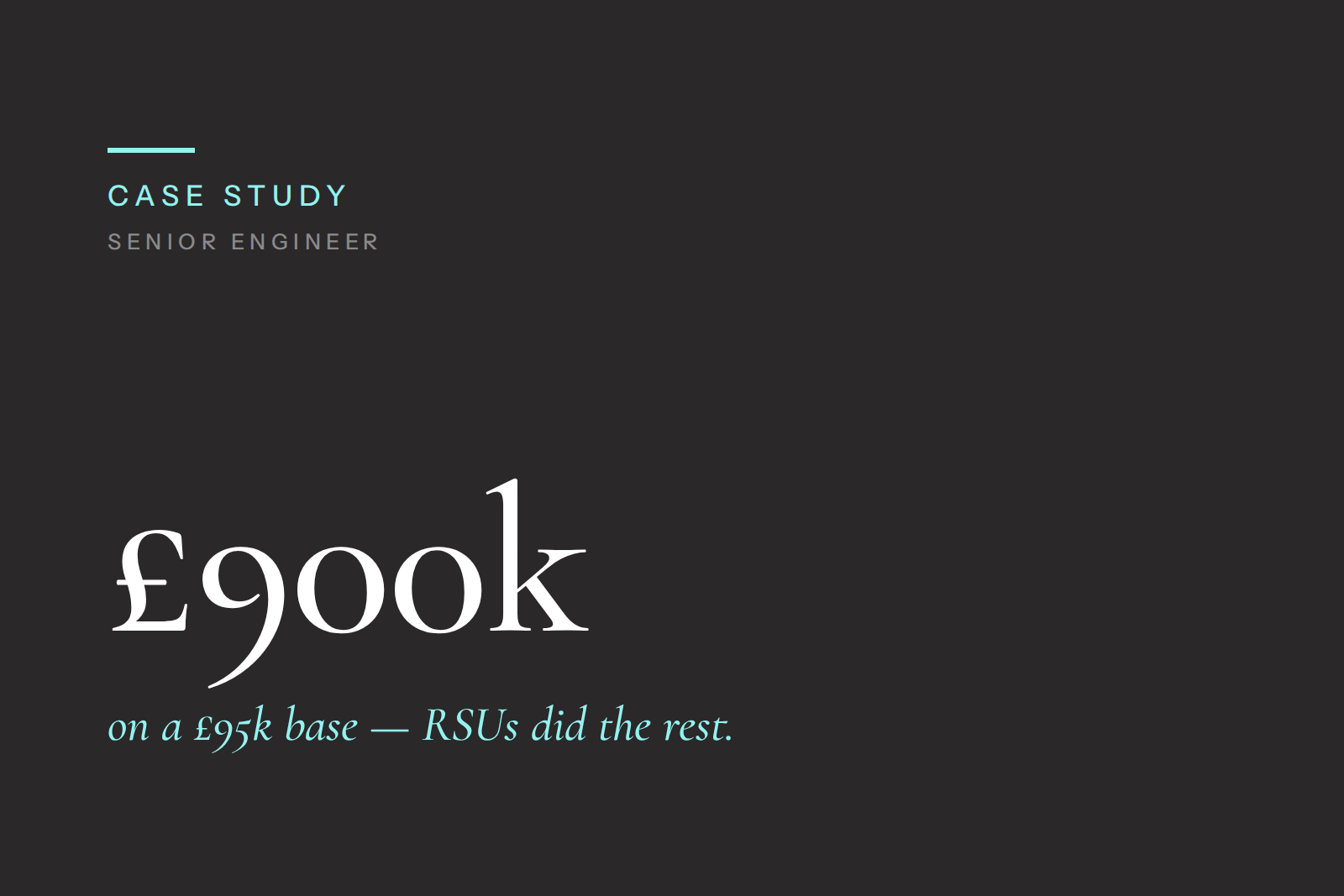
How We’ve Helped Clients Like You
These clients faced similar challenges - here’s how we helped them secure the right deal.




























Related Articles






























YOUR HOME MAY BE REPOSSESSED IF YOU DO NOT KEEP UP REPAYMENTS ON YOUR MORTGAGE
Kite Mortgages is a trading style of Kite Financial Ltd which is an appointed representative of The Openwork Partnership, a trading style of Openwork Limited which is authorised and regulated by the Financial Conduct Authority.
Approved by The Openwork Partnership on 02/02/2026