DIRECTOR AND MORTGAGE ADVISER
Specialist broker for high-earning professionals and complex income cases.
Request your fee free mortgage consultation today. No obligation, just sound advice.
Overview
Our client, a tech executive earning in euros while working in London, was buying his first home in SW London. With a 10% deposit, he needed to secure 90% borrowing — and was anxious about navigating the process as a first-time buyer.
The Challenge
The client faced a few key hurdles:
Foreign currency income: Many lenders either reject or heavily reduce euro income.
High loan-to-value requirement: At 90% borrowing, options are already more limited.
Affordability concerns: Monthly payments needed to remain manageable, especially as a first-time buyer.
Stress of the unknown: He was nervous about the process and wanted reassurance he was getting the right advice.
Speak To An Expert Today
Whatever it is, the way you tell your story online can make all the difference.
Our Solution
We used our expertise in foreign currency income and first-time buyer support to:
Identify a lender comfortable with euro-denominated income and familiar with tech-sector professionals.
Secure a 90% loan-to-value mortgage despite the high borrowing level.
Extend the term to age 75, ensuring monthly payments stayed affordable.
Guide him through every step of the process, explaining how each stage worked so he could move forward with confidence.
Our clear communication and lender knowledge meant he could focus on the move — while we took care of the finance.
The Outcome
We secured a competitive 90% mortgage on an £825k purchase, with a term structured for long-term affordability. By knowing exactly which lender to approach and explaining the process clearly, we removed the stress and allowed our client to focus on enjoying his first home.
What We Can Do for You
If you earn in a foreign currency, or you’re a first-time buyer feeling daunted by the mortgage process, we can help. Our knowledge of lender criteria and clear guidance means you can move forward with confidence — without wasting time or energy on the wrong options.
Read our full guide to mortgages for tech leaders →
See our complete guide to foreign currency income mortgages →
Request your fee free mortgage consultation today. No obligation, just sound advice.
Related Case Studies
Three advisers read her as self-employed: two years of £45 to 60k drawings, capacity under £270k. Her 22% post-round stake put her below some lenders' ownership line. Assessed as an employee on a £180,000 board-set salary, she borrowed £770,000 at 4.3x.
She expected the structuring she had seen partners need. Her pay was a £120k base and a cash bonus. Half the two-year bonus average counted, recognised income was £157,500, and a top-five clearing bank lent £680,000 at 85% LTV on its standard range at 4.3x.
Buy the townhouse, renovate for a year, then move and sell the flat. Base salaries supported £1.39m; the plan needed £1.725m across two loans. Full bonus recognition made it 4.2x, with a no-ERC tracker on one side and an offset catching the proceeds on the other.
His RSUs were worth £400k on paper and nil to a lender until the listing. The £1.1m purchase stood on a £210k base at roughly 5.2x, on a tracker with no early repayment charges. After the listing £300k went into the balance without penalty, and £800k was fixed at 55% LTV.
His private bank facility had done its job five years ago. At renewal it still asked for £500,000 of his assets to stay with the bank. Refinanced interest-only at 60% LTV with a clearing bank's large-loan team, at 4.4x recognised income, the condition ended.
Paid CHF 480,000 in Zurich, living in Twickenham, mid-fifties: three reasons most lenders hesitate. One high street lender counted the converted £428,500 in full and refinanced £730,000 over a 14-year term, with unlimited overpayments to finish early.
A Big Tech Principal Engineer whose base had sat at £200k for three years needed £1.3m for a £1.75m Sevenoaks home. A building society counted half of his latest twelve months of vested RSUs, recognised £290,000 of income and lent at roughly 4.5x.
Four months into partnership, paid entirely in USD, and needing £2.48m at 80% LTV. An international bank’s large-loan team worked from the firm’s own schedule, applied no currency haircut and recognised £550,000 of income, roughly 4.5x.
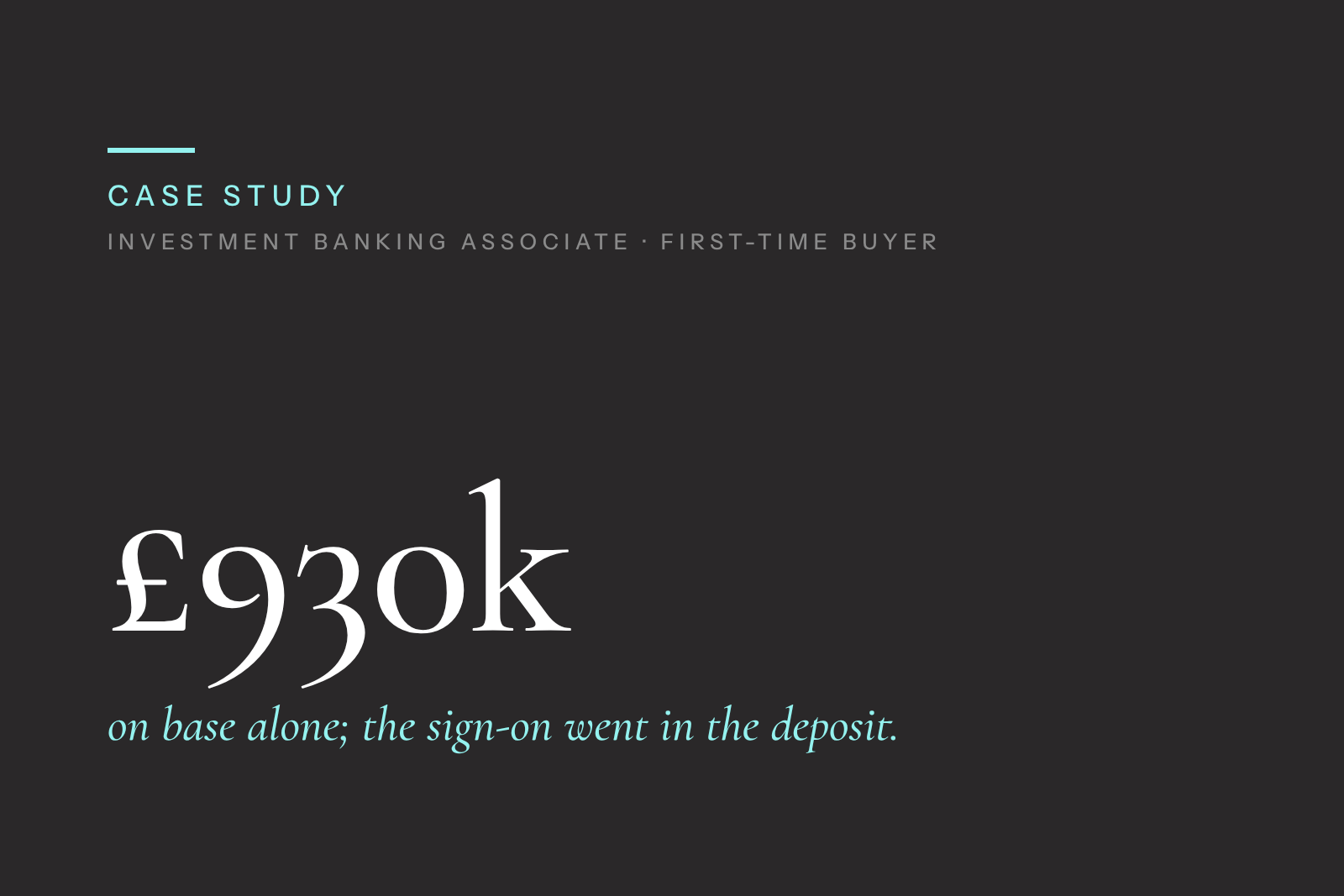
An M&A associate had just moved banks with a £60k sign-on and a £90k guaranteed bonus. Neither counted. Her first home, £930k on a £1.1m Earlsfield house at under 85% LTV, was placed at 6x her £155k base salary alone.
Standard bonus averaging supported £791,000; the buyout needed £1.24m. A clearing bank recognised £235,000 of income, the full latest bonus, and lent at roughly 5.3x, keeping her in the family home and her former partner’s share released in full.
Two solicitors on £242,000 of combined basic salary needed £1.45m for a £1.725m St Albans house. At 4.49x and 5.5x they fell short. A professional range at up to 6x lent the full amount at 84% LTV, once the deposit was resized to fit the band.
Half his deposit was a developer incentive and he had received one bonus. A high street lender accepted both — £157,500 of recognised income, £675,000 at 90% LTV, roughly 4.3x, with a new-build offer that flexes to the completion date.
A hedge fund portfolio manager on a £180k base, paid a fixed share of his book’s performance fees, needed £2.4m interest-only on a £3.25m home. A clearing bank’s large-loan team recognised £453,000 of income and lent at roughly 5.3x.
Told to wait two years for accounts, a software developer on a £575 day rate bought his first home instead. A high street contractor policy annualised the rate to £132,250 and lent £570,000 at 95% LTV, roughly 4.3x, with his renovation fund intact.
An equities trader on a £160k base and a £200k average annual bonus was ending a fix on an £850k mortgage against his £1.2m London home. A remortgage to a clearing-bank offset product recognised £260,000 of income at roughly 3.3x — and each bonus now works against the balance from the day it lands.
A hedge fund COO with half his bonus deferred needed to refinance £1.8m on a £2.5m home before his fix expired. A clearing bank counted the vested tranches paid through payroll, recognising £400,000 of income, and the remortgage completed at 4.5x.
An American VP on a Skilled Worker visa, 18 months into a London posting, needed £900,000 for a £1.2m house. A large international bank whose criteria let income override residency recognised £238,400 including his USD bonus; completed at 75% LTV.
A PE Partner refinancing £2.4m on a £3.2m home saw mainstream calculators read his carry as zero. A holistic underwrite credited a smoothed share of four years of distributions and the refinance completed interest-only at 4.8x recognised income.
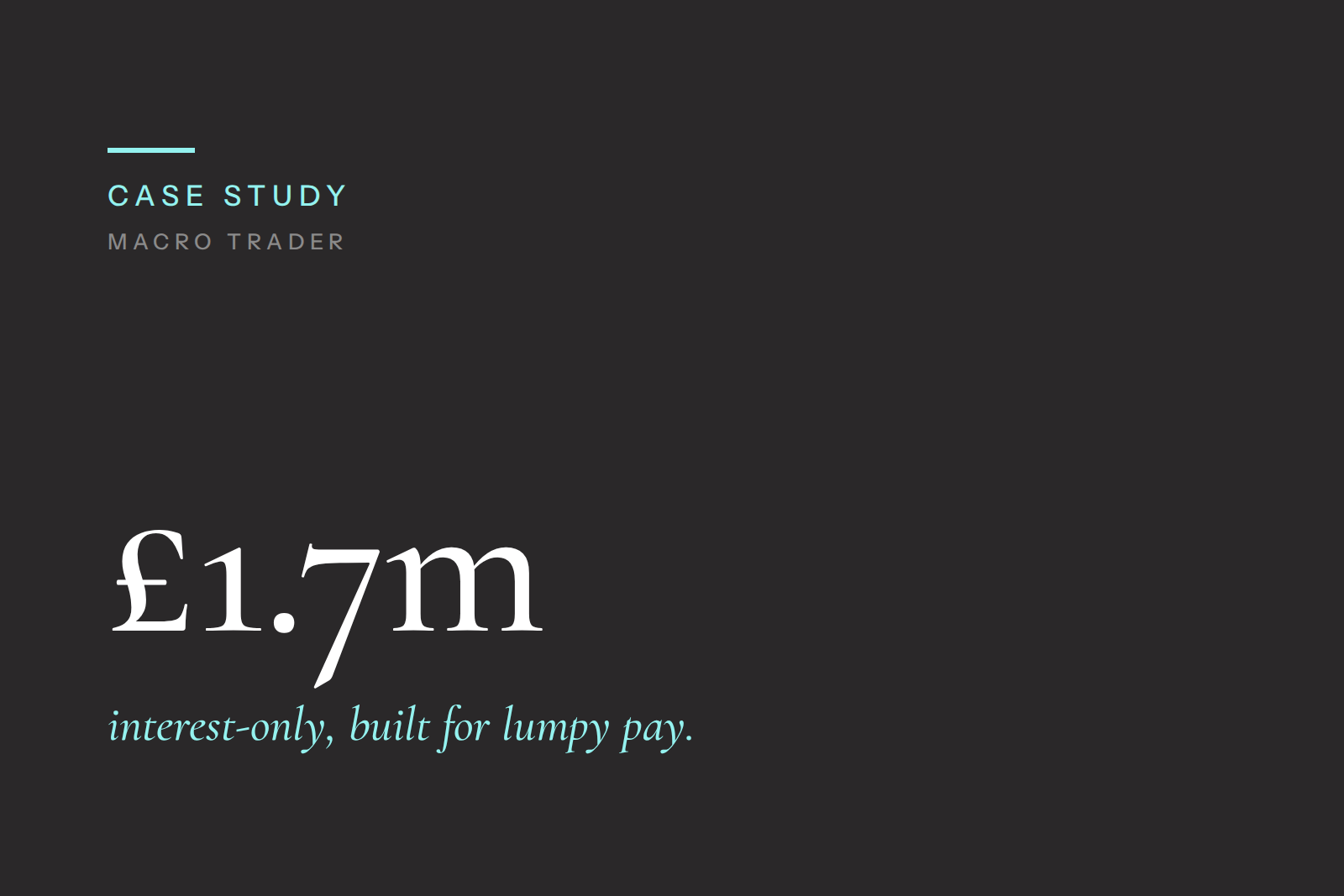
A macro trader earning a £200k base with a bonus that swung between £180k and £420k needed £1.7m for a £2.3m family home. A clearing bank averaging three full years recognised £386,000 of income and agreed the loan interest-only at roughly 4.4x.
A hedge fund analyst on a £150k base needed £1.1m for a £1.4m home after his bonus fell to £120k from £270k. A lender applying 60% of a two-year average recognised £267,000 of income, and the loan completed at roughly 4.1x with the deposit unchanged.
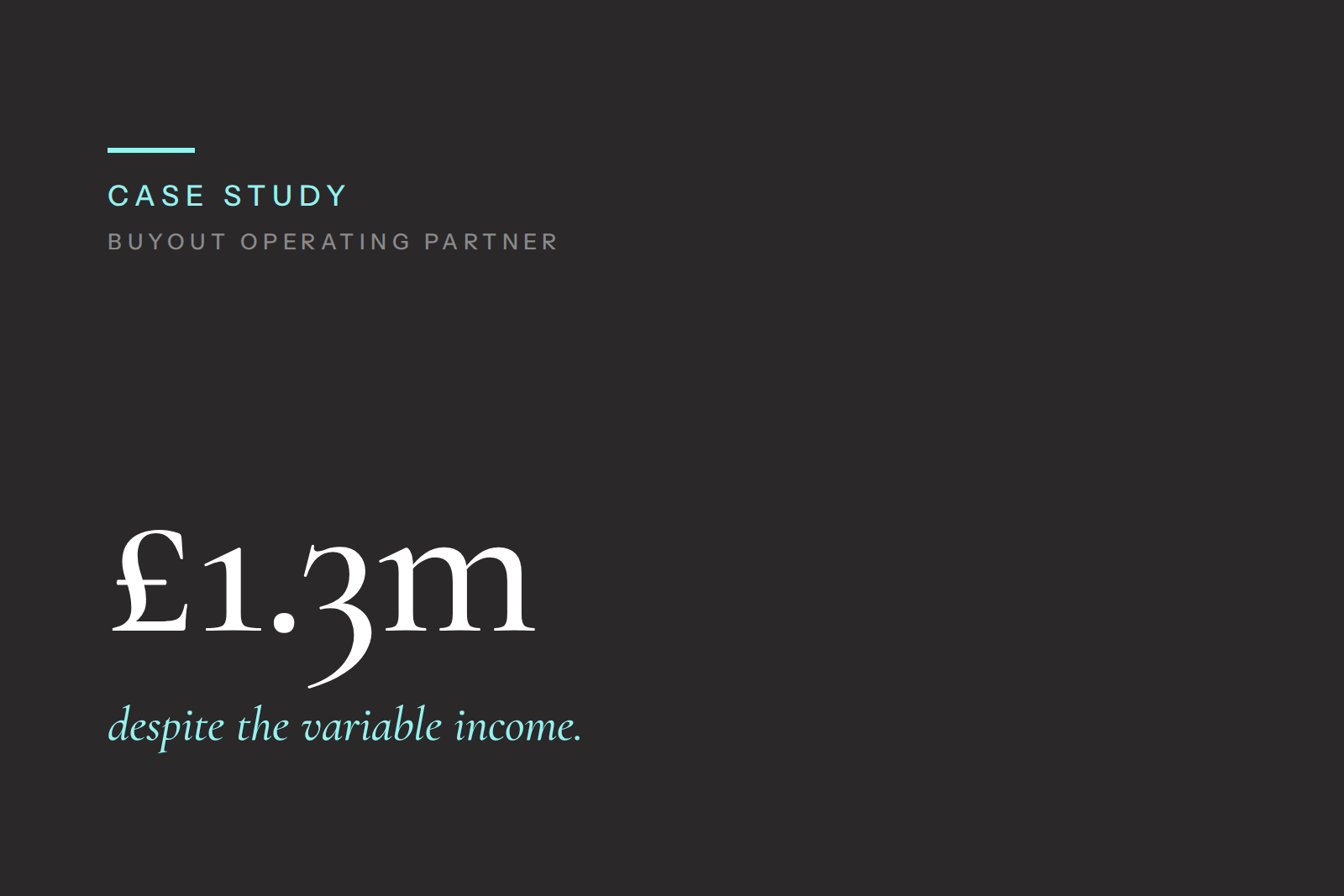
An operating partner at a mid-market buyout firm needed £1.3m on a £1.7m home, with income spread across fixed drawings, board fees and a volatile profit share. Built on the stable layers at roughly 4.4x, it completed on mainstream large-loan terms.
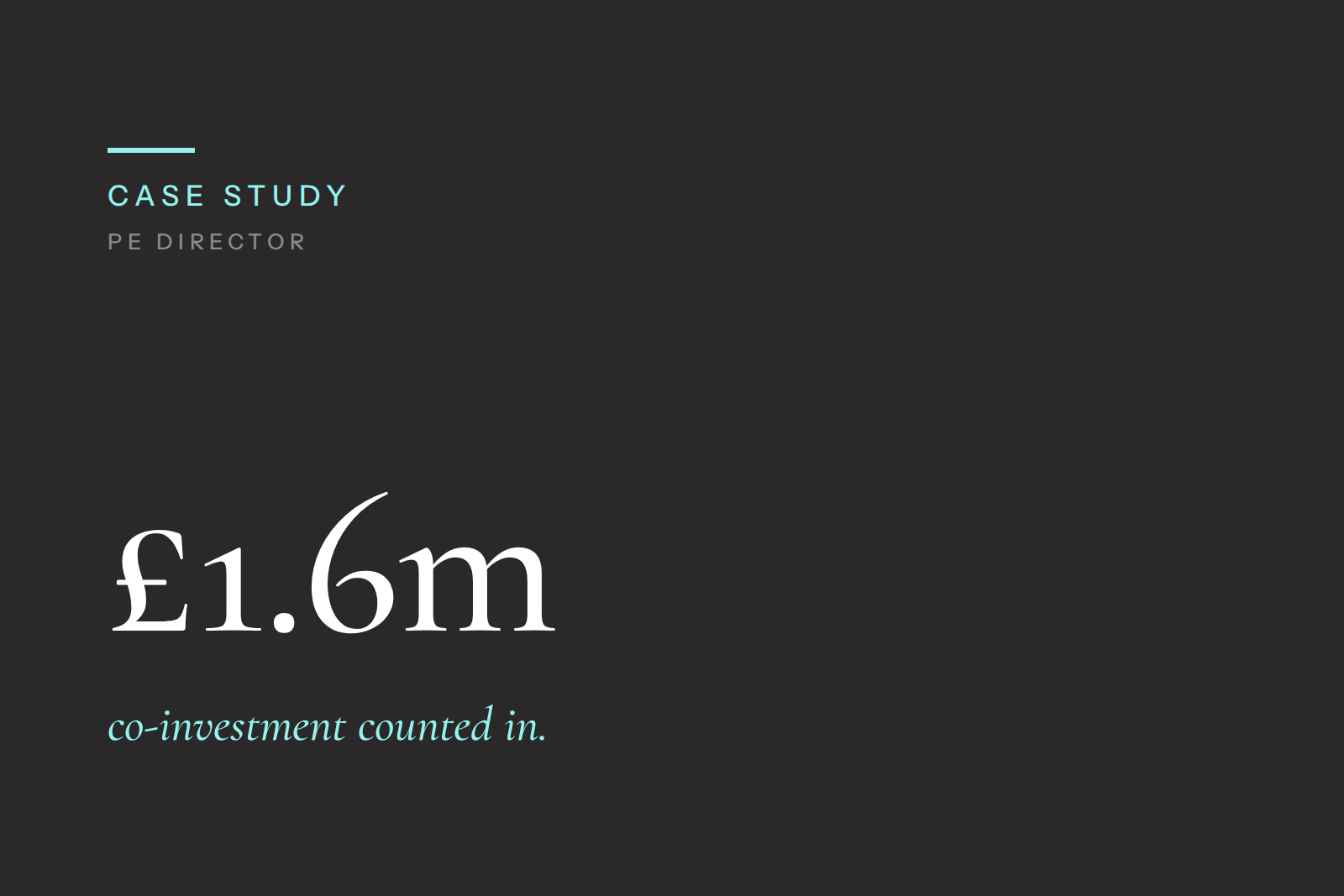
A mid-market PE director needed £1.6m for a £2.1m home; salary and bonus reached £1,425,000 at most. A private bank recognised three years of crystallised co-investment gains, taking recognised income to £375,000 and the loan to roughly 4.3x.
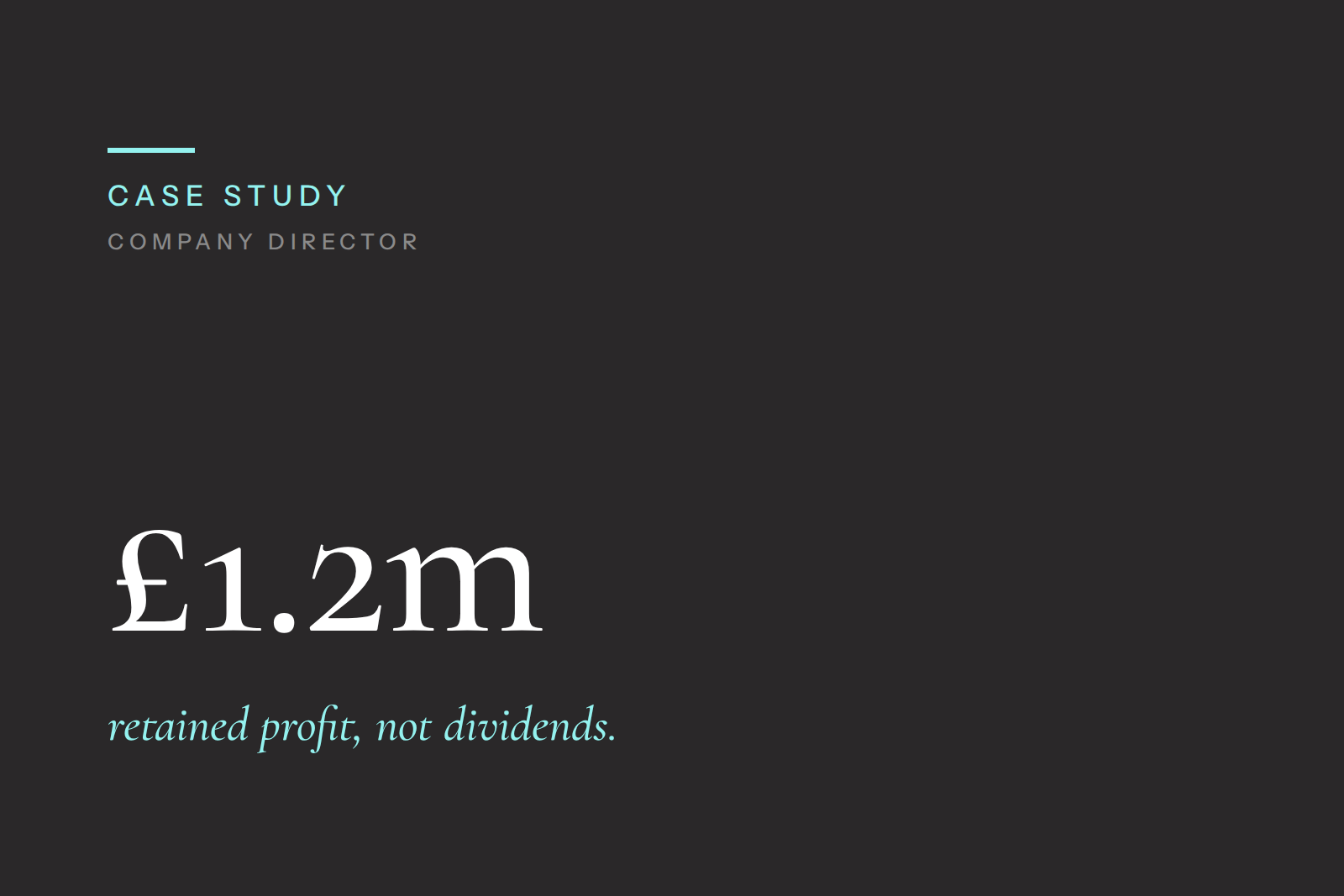
A sole director drawing £90k while his company retained its profit needed £1.2m of borrowing. A lender assessing salary plus share of net profit after corporation tax recognised £267,570 of income, and the loan completed at just under 4.5x with no change to his dividends.
An investment banking Director secured a £990k mortgage on a £1.1m London flat at 90% LTV using multi-year bonus income. This case study shows how bonus averaging supported borrowing while retaining funds for property works.
A private equity VP secured a £1.9m mortgage on a £2.4m family home using salary and bonus income. This case study shows how part interest-only structuring and a five-year product aligned borrowing with future carry payments.
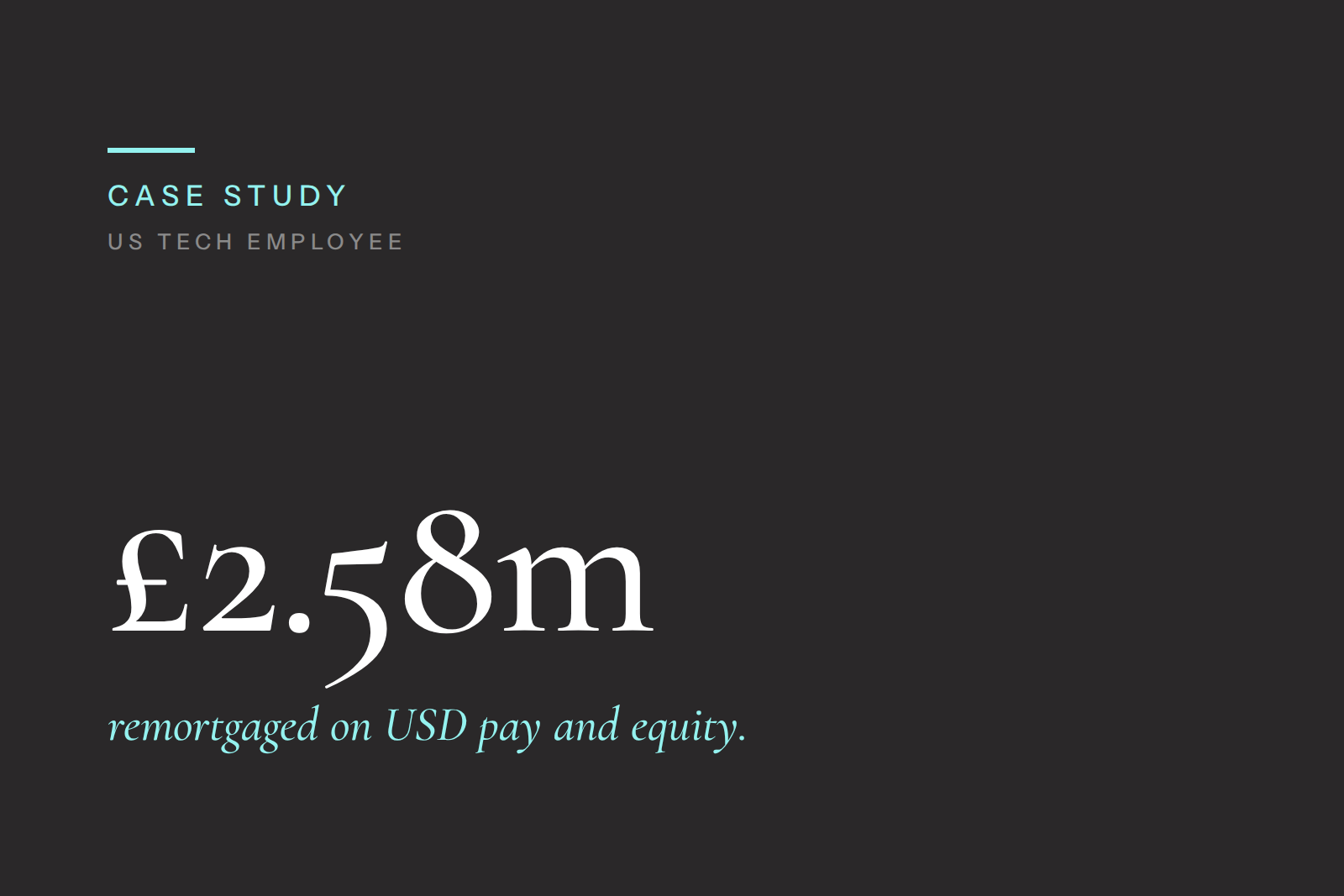
A UK-based employee of a US technology firm secured a £2.58m remortgage using USD salary, bonus, and RSUs. This case study explains how equity compensation and foreign currency income were assessed through a private banking solution.
An equity partner at a City law firm secured a £1.55m mortgage on a £1.85m family home using LLP income. This case study shows how part interest-only structuring supported affordability during a period of higher household costs.
A fixed-income trader secured a £1.5m mortgage on a £2.1m purchase using bonus-led income. This case study explains how lender selection and income structuring supported affordability despite restrictive bonus caps.
A senior finance professional returning from Singapore secured a £950k UK mortgage on a £1.45m London apartment using overseas USD income. This case study explains how foreign currency income was assessed ahead of UK relocation.
YOUR HOME MAY BE REPOSESSED IF YOU DON’T KEEP UP REPAYMENTS ON YOUR MORTGAGE
Kite Mortgages is a trading style of Kite Financial Ltd which is an appointed representative of The Openwork Partnership, a trading style of Openwork Limited which is authorised and regulated by the Financial Conduct Authority.
APPROVED BY THE OPENWORK PARTNERSHIP ON 12/08/2025