
How Lawyers Can Structure Income to Improve Mortgage Affordability

DIRECTOR AND MORTGAGE ADVISER
Specialist broker for high-earning professionals and complex income cases.
Lawyers’ earnings come in many flavours—base salary, discretionary bonus, LLP profit share, counsel’s fees, and increasingly equity awards (RSUs) for in‑house counsel. Affordability models don’t always keep up. Below is a practical, compliance‑friendly playbook to help you present income in its best light while staying within lender rules.
The Principles
Evidence beats assumptions. The more consistent, independently verifiable your income trail, the more lenders can use.
Sustainability > spikes. Underwriters prefer repeatable patterns over one‑off uplifts.
Right lender, right structure. Enhanced LTI products, part interest‑only and professional ranges exist—but eligibility is case‑by‑case.
Discretionary ≠ guaranteed. Expect averaging/haircuts on bonuses, RSUs and FX income.
Request your fee free mortgage consultation today. No obligation, just sound advice.
Strategy 1: Stabilise The Income Story
Associates & salaried partners (PAYE)
Track record: Provide last 3 months’ payslips and latest P60; if recently promoted, include contract/HR letter confirming new salary and bonus policy.
Bonus treatment: Where permitted, show 2–3 years of paid bonus history; if variable, include employer letter explaining the scheme and expected cadence.
Salary sacrifice: If using pension sacrifice or childcare schemes, note that some lenders assess net disposable income; we’ll model both ways.
Equity/fixed‑share LLP partners (self‑employed assessment)
Use taxable profit, not drawings. Affordability typically uses your share of net profit from partnership accounts and HMRC SA302 + Tax Year Overview.
Averaging: Many lenders average the last two years; if the latest year is lower, some take the lower figure. Prepare an explanation note for step‑ups (e.g., promotion/practice mix).
Capital account/loans: If you’ve taken a capital loan to fund buy‑in, consider restructuring (e.g., longer term or IO) so monthly commitments don’t crush affordability.
Barristers (self‑employed at the Bar)
Provide two years’ accounts/SA302s plus aged‑debtors and fee‑churn commentary. Show how receipts align with your last 6–12 months’ bank statements.
Strategy 2: Make Variable Pay Work Harder
Annual bonus (private practice & in‑house)
Bank statements should show net receipt of last bonus. Where allowed, include up to 50–100% of averaged bonuses in affordability, depending on policy.
Timing: Apply after bonus hits your account and before major outgoings (tax on account, school fees) appear on statements.
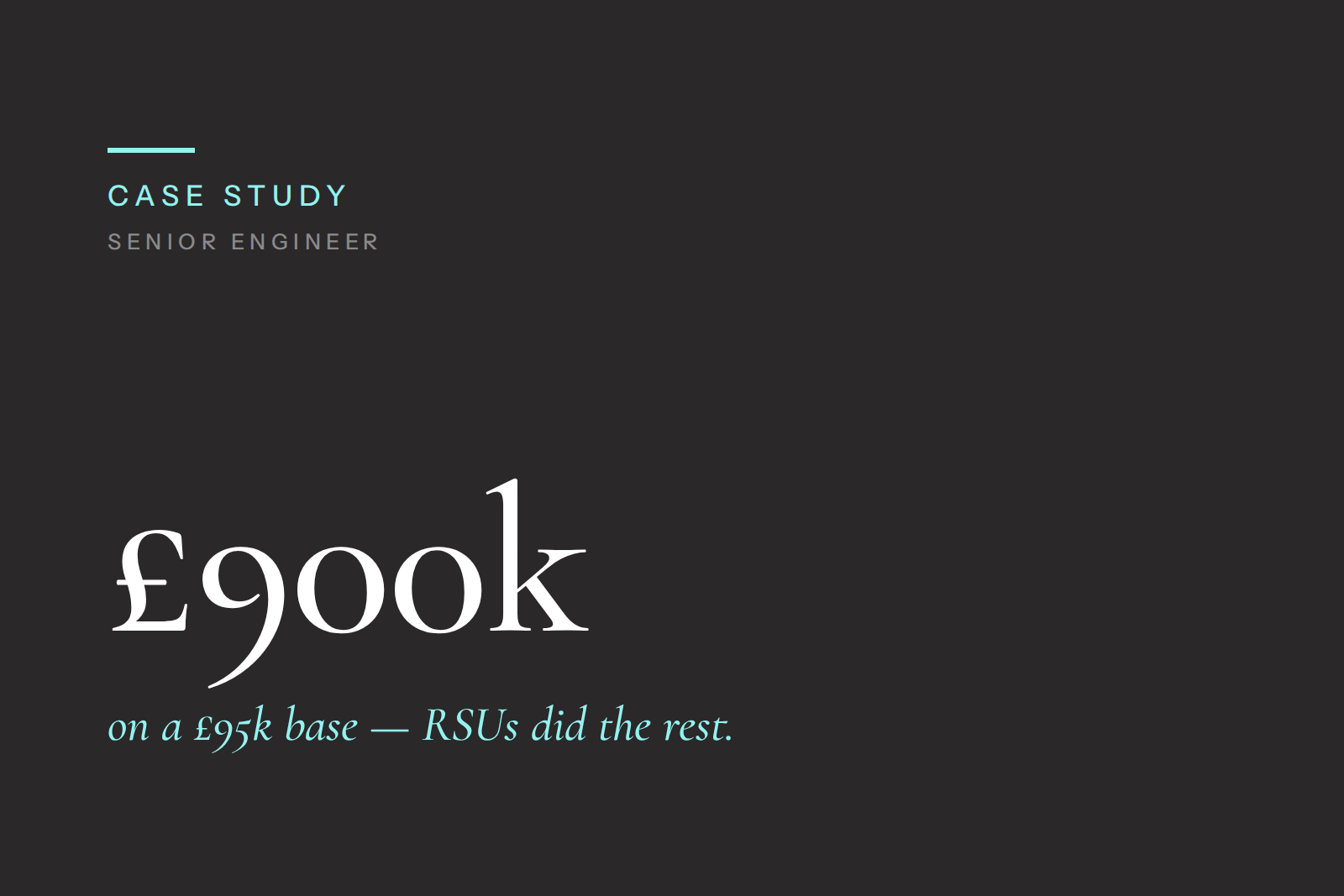
RSUs / equity awards (in‑house lawyers)
Focus on vested & sold awards with a 2–3 year pattern of proceeds; include vesting schedules and brokerage statements.
If USD‑denominated, expect an FX haircut; convert sales to GBP and keep a clean audit trail.
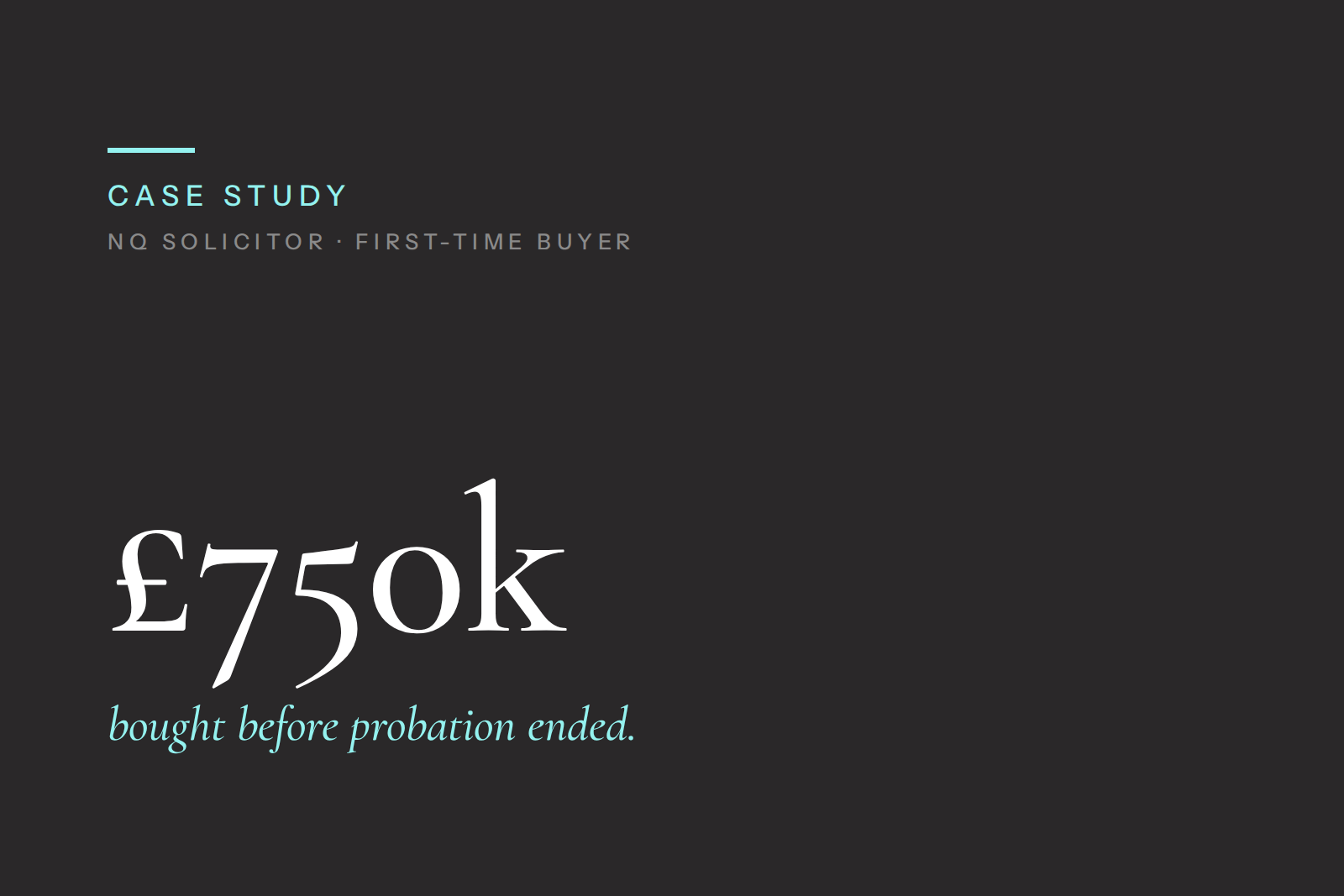
How We’ve Helped Clients Like You
These clients faced similar challenges - here’s how we helped them secure the right deal.




























Strategy 3: Optimise The Bank‑Statement Period (Last 3–6 Months)
Avoid new PCP/HP car finance or big new credit just before application.
Reduce credit‑card balances (lenders often model a % of balance as monthly cost).
Keep gambling transactions and large unexplained transfers off‑statements—or clearly annotate the purpose.
If self‑employed, keep tax on account payments predictable; where possible, avoid them landing in the exact 3‑month window.
Strategy 4: Choose The Right Applicants & Ownership
Dual lawyer households: Some lenders allow enhanced LTIs for professional couples; others cap at standard multiples—selection matters.
JBSP (Joint Borrower, Sole Proprietor): Useful where a non‑owner’s income supports affordability without adding them to title (and without triggering second‑home SDLT). Available only with select lenders.
Guarantor/Family assist: Niche solutions exist but come with conditions; usually a last resort.
Strategy 5: Use Loan Structure To Your Advantage
Part & part (capital + interest‑only): Keeps payments efficient while planning capital reduction from bonuses/partner distributions/RSUs.
Term length: Longer terms reduce stress‑tested payments; we balance this against total interest and retirement planning.
Product choice: Some professional ranges offer higher income multiples or softer treatment of variable pay for solicitors; we’ll target those first where suitable.

Speak To An Expert Today
Get in touch for a fee free, no-obligation chat about how we might be able to help you.
Documents That De‑Risk Underwriting (Checklist)
Associates: payslips (3 months), P60, contract/HR letter for promotions/return‑to‑work.
Partners: SA302s + TYOs (2–3y), partnership accounts, capital account/loan statements, accountant letter.
Barristers: SA302s/accounts (2–3y), aged‑debtors, chambers remittance evidence.
Variable pay: bonus letters, RSU vesting schedules, brokerage statements and bank receipts (preferably GBP).
General: ID/KYC, bank statements (3–6m), credit file screenshot, and any visa/right‑to‑remain evidence if applicable.
Common Scenarios We Help With
Newly made‑up partner (<12 months): Supplement shorter partner history with historic associate income, YTD distributions, and firm stability. Target professional products and (if needed) private‑bank routes.
Barrister with lumpy receipts: Average two‑year profits; show pipeline and aged debtors; consider part & part to match irregular cashflow.
In‑house counsel with USD RSUs: Evidence vested, realised proceeds over 2–3 years; convert to GBP; consider lenders comfortable with FX.
Parental leave in last 12 months: Use return‑to‑work letters and employer confirmation to avoid an artificially low snapshot.
Mistakes That Quietly Cost You
Applying before a promotion/pay‑rise is contractually confirmed.
Drawing more than profit in an LLP year—then having affordability based on the lower profit figure.
Letting short‑term debt stack up (cards/overdrafts/BNPL) prior to application.
Selling RSUs after DIP/AIP instead of before—missing the chance to evidence proceeds and strengthen deposit/affordability.
Read our full guide to lawyer mortgages and income structuring →
How Kite Mortgages Helps
Pre‑underwrite your income story (LLP, counsel’s fees, bonuses, RSUs, FX) and build a lender‑ready pack.
Map the market to the right large‑loan/professional/private‑bank options—targeting higher LTIs where policy allows.
Design the structure (term, part & part, exit plan) so your mortgage supports career progression and cash‑flow reality.
Request your fee free mortgage consultation today. No obligation, just sound advice.
FAQs
-
Some lenders offer enhanced LTI ranges for professionals (case‑by‑case and within affordability).
-
Usually no for income. Vested & realised proceeds with a history carry most weight.
-
Commonly two years; some lenders may consider shorter with a strong profile and clear rationale.
-
Often on a capped LTV with an approved repayment strategy. Part & part is popular with lawyers who receive lumpy income
Related Articles






























YOUR HOME MAY BE REPOSSESSED IF YOU DO NOT KEEP UP REPAYMENTS ON YOUR MORTGAGE
Kite Mortgages is a trading style of Kite Financial Ltd which is an appointed representative of The Openwork Partnership, a trading style of Openwork Limited which is authorised and regulated by the Financial Conduct Authority.
Approved by The Openwork Partnership on 22/09/2025