NatWest Foreign Income & Working Abroad Mortgage Guide

DIRECTOR AND MORTGAGE ADVISER
Specialist broker for high-earning professionals and complex income cases.
NatWest is one of the most attractive high street lenders for foreign income mortgages because — unlike other banks — they apply no haircut to income earned in another currency. This means they’ll use 100% of the converted figure for affordability, which can make a big difference in how much you can borrow.
NatWest is also flexible for applicants who work abroad but maintain UK ties. However, their rules still come with limitations, and presenting your case correctly is key.
At Kite Mortgages, we help busy professionals structure their applications so they get the full benefit of NatWest’s policy — and compare against other lenders to ensure the best overall outcome.
NatWest’s Approach to Foreign Income
NatWest considers employed foreign income in a wide range of currencies.
Currencies NatWest Accepts
GBP, EUR, AUD, BGN, CAD, CZK, DKK, HUF, JPY, NZD, NOK, PLN, RON, SGD, SEK, CHF, USD
How NatWest Treats Foreign Income
100% of converted income used — no haircut applied.
Income must be converted to GBP using an appropriate tool.
Final amount based on exchange rate at underwriting stage (not fixed earlier).
Ongoing monitoring: customers notified if currency falls by more than 20% post-completion.
Documentation Requirements
Standard payslips, contracts, or bank statements in original currency.
GBP conversion recorded in application.
Request your fee free mortgage consultation today. No obligation, just sound advice.
NatWest’s Policy for Applicants Working Abroad
NatWest can consider applications from clients who are employed or self-employed while working overseas, provided certain conditions are met.
Accepted Applicants
Employees or self-employed where the business is UK or ROI based (including partnerships/limited companies).
Those who work away for weeks at a time but return to the UK between assignments.
Those who work abroad during the week but return to the UK at weekends.
HM Armed Forces and UK Government diplomats/consular staff (treated as UK citizens).
Not Accepted
People who only return to the UK for holidays.
Applicants on secondments living permanently abroad.
Clients who have bought property abroad to live in.
Tax Requirements
Applicants do not need to pay UK tax on their income, as long as the company is UK/ROI based.
How We’ve Helped Clients Like You
These clients faced similar challenges - here’s how we helped them secure the right deal.

A senior software engineer on £95k with quarterly RSU vesting bought a £900k house. By averaging 12–24 months of vested RSUs and packaging award letters, brokerage statements and payslips, we evidenced sustainable equity income—resulting in approval with a part interest-only structure.
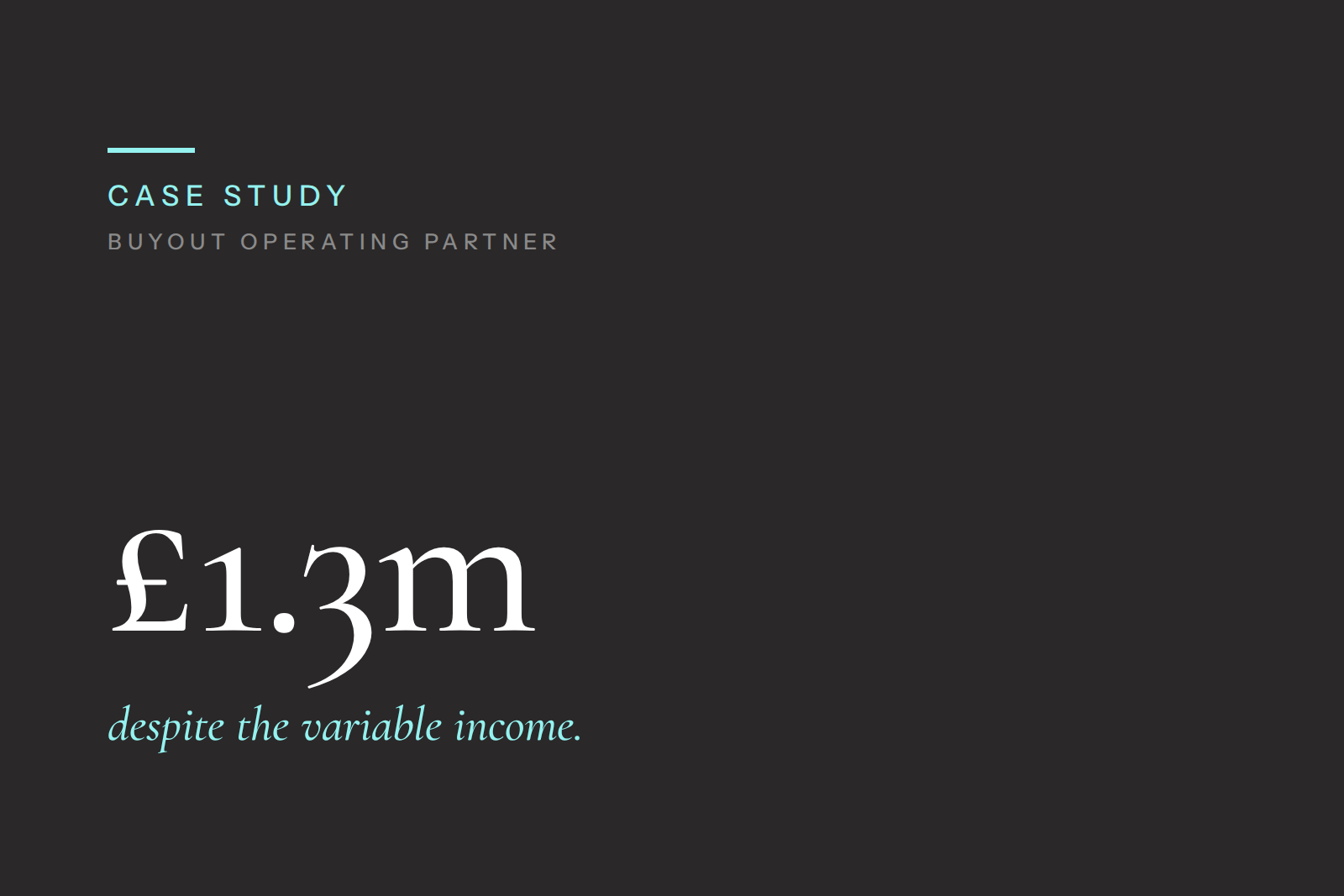
An investment banking associate on £120k base with a USD bonus needed 75% LTV on a £1.25m flat. We used a two-year average bonus, applied a foreign currency haircut, and built a strong evidence pack—resulting in c.5.2× income and a successful offer.
A City lawyer and LLP partner with £420k variable profit share bought a £2.1m London family home at 60% LTV. We targeted a lender that may average three years’ profits, clarified the capital account, and structured part interest-only with an evidenced repayment plan.
With renewals and short gaps, this IT contractor needed day‑rate treatment. We evidenced continuity, explained the gaps, and matched them with a lender that assesses on day‑rate—securing borrowing aligned to realistic annualised earnings.
A newly qualified solicitor with limited employment history needed clarity and pace. We used her offer letter and first payslips, applied professional‑criteria know‑how, and packaged a clean, conservative case—helping a mainstream lender say yes without over‑promising.
Briefs, arrears, and variable fee sheets—this barrister’s earnings were anything but tidy. We evidenced sustainability and secured a suitable mortgage at pace—without over‑promising.
A senior partner had to choose between a private bank and a high‑street lender for £2m. The private bank’s full interest‑only structure won—keeping monthly payments steady and letting annual profit share reduce the balance without hassle.
A newly made‑up equity partner needed a high‑value mortgage against uneven drawings and profit share. We evidenced sustainability, clarified tax and capital contributions, and matched them with a lender that considers partner income—without overstretching.
An IT Sales Director and Teacher with two children needed £800k to upsize to a £1.2m home. We secured 5.5x income using 100% of bonuses and structured part of the loan on interest-only — keeping monthly payments affordable with a plan to reduce the balance using future bonuses.
A UK expat returning from Dubai secured an £800k mortgage using their UK employment contract. By avoiding the need to rent first, they moved straight into their new home — making their transition back to the UK smooth and stress-free.
A newly qualified legal associate and their partner, both first-time buyers, used 60% of a single year’s bonus to boost borrowing by £175k. This transformed their options, allowing them to buy a flat with a second bedroom and a garden instead of compromising on space.
A UK-based EU national remortgaged to release equity for a home extension. We secured a lender who applied only a 10% haircut to their euro income, maximising borrowing and allowing their renovation plans to move forward without compromise.
A law firm partner buying a £1.9m home needed £1.4m in lending. We secured a lender who used their latest year’s profit share — instead of averaging two years — unlocking the borrowing needed and delivering a deal that matched their career trajectory.
A dentist on a Tier 2 visa bought their first UK home for £1.3m with a 15% deposit. We secured an £1.1m mortgage, managed the process end-to-end for this time-poor professional, and found a lender that understood both their visa and high-value borrowing needs.
A contractor with only six months’ experience and no accounts was told to wait. We used day rate × 5 × 46 to evidence income and secured 5x that figure — delivering a £540k mortgage on a £650k home so he could buy now instead of delaying.
A euro-paid tech executive buying his first home needed a 90% mortgage on an £825k property. We used our foreign currency expertise and extended the term to age 75, guiding him through the process so he could relax knowing his mortgage was in safe hands.
A newly promoted equity partner at a US law firm needed £1.5m quickly to buy a £2m home. We used fixed drawings plus projected profit share to secure a better deal than a private bank, leveraging our lender contacts to fast-track approval and win the property.
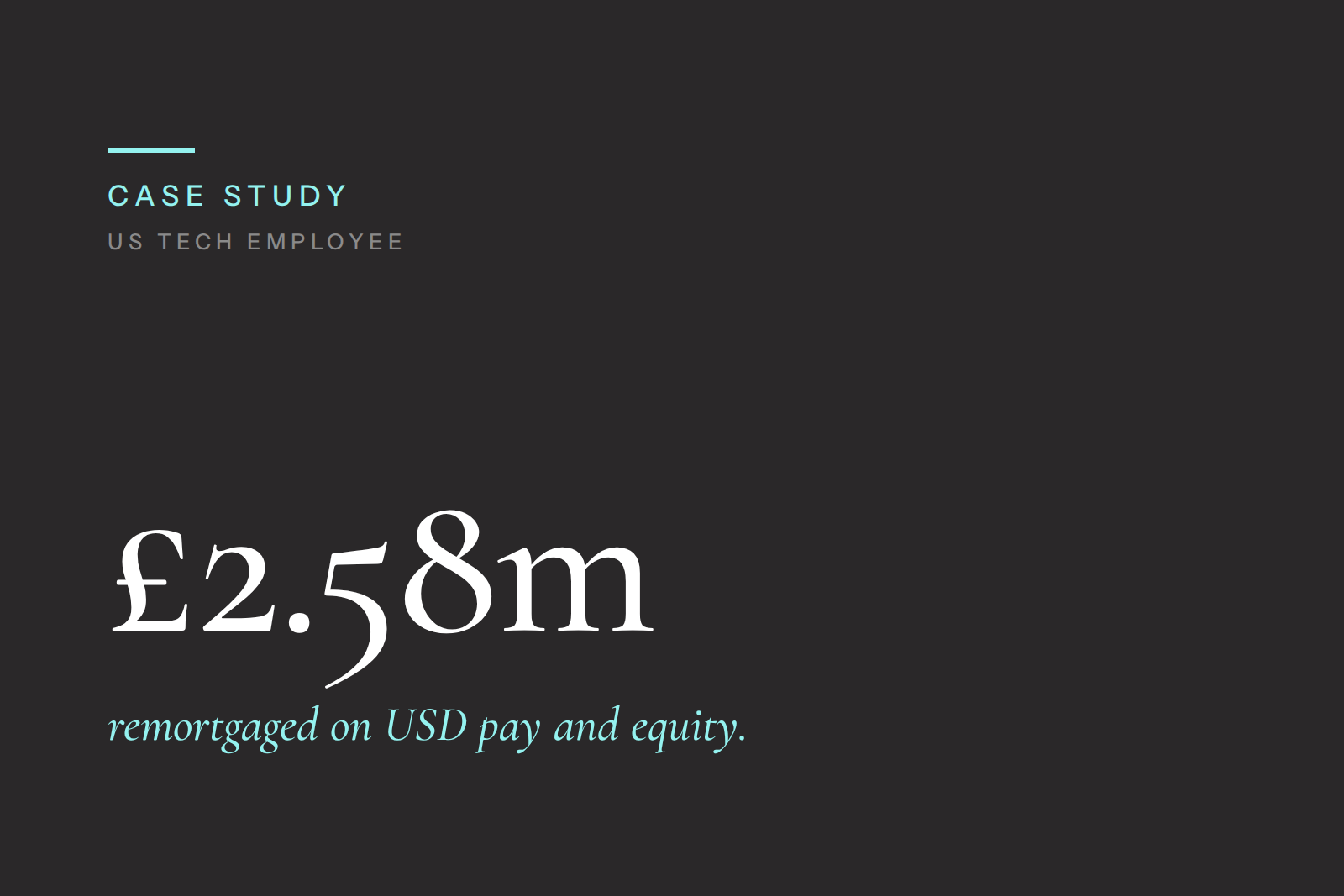
US-UK couple, paid in USD via a US LLC, were declined by their bank. We evidenced stable net profits and distributions, matched them with a lender that accepts foreign currency income, and secured a remortgage to release equity for major renovations.
A young media sales exec with a modest base salary and strong commission was struggling to find a lender. We used a recent 3-month commission average to secure 5.5x income — unlocking a 90% mortgage on a £650k home with a manageable repayment structure.
A tech startup founder was repeatedly told he couldn’t borrow due to being “self-employed” with low historic income. We dug deeper, reclassified him as a PAYE employee, and unlocked a mortgage based on current earnings — helping his growing family move home.
A North London couple, one an in-house lawyer and the other a software engineer, needed to upsize to a home requiring major renovation — but still live in their current property during the works. We structured a two-property mortgage plan using interest-only loans, bonus income, and an offset facility to make it all work smoothly.
A UK national working in Saudi Arabia was about to roll onto his lender’s standard variable rate (a much higher default rate after a fixed deal ends). We secured a new 1-year fix with his current lender just in time, saving money and locking in certainty while he remained overseas.
Two doctors with young children needed a mortgage for their dream home in Oxfordshire. We used variable locum income, maternity return projections, and an interest-only element to keep payments manageable during high childcare years — securing 85% LTV on a £900k home.
An Italian CTO earning in Swiss francs and living between Zurich and London needed to refinance his UK home. We secured a competitive high street mortgage using 100% of his foreign income—overcoming currency and age-related challenges to replace an inflexible international loan with a cost-effective long-term solution.
We helped a newly promoted non-equity partner at a US-headquartered law firm secure a £2.48m mortgage on an £3.1m purchase. By structuring the loan with a mix of repayment and interest-only borrowing, we kept monthly costs manageable while meeting complex income requirements including USD bonus earnings.
We helped a law firm associate refinance his home and buy out a former partner by leveraging his most recent bonus income and a high 5.5x loan-to-income multiple. Our tailored approach allowed him to maximise borrowing and stay in his property—without the disruption or cost of moving.
An international lawyer buying his first home in London faced challenges due to a low personal deposit, reliance on bonus income, and a long lead time to completion. We secured a competitive 90% mortgage using the developer incentive, included offer flexibility, and ensured affordability—despite limited bonus history.
A young contractor, told he needed two years of accounts, came to us seeking a 95% mortgage on a £600k property. Using his current contract and smart structuring, we secured the loan with low monthly payments—enabling him to buy now, refurbish, and remortgage on better terms later.
Strengths and Limitations of NatWest
Where NatWest Works Well
No haircut — 100% of foreign income used.
Broad list of accepted currencies.
Flexibility for employees and UK/ROI-based self-employed working abroad.
Specific support for Armed Forces and diplomats.
Where NatWest Falls Short
Exchange rate not fixed until underwriting stage (risk if rates move before completion).
Overseas self-employed (outside UK/ROI) not accepted.
Applicants must have strong UK ties — permanent relocations abroad not eligible.
Alternatives to NatWest
Halifax – Accepts 5 currencies, haircut of 20%, accepts LLP partner income.
HSBC – Broadest currency acceptance (matrix), haircuts 10–30%, accepts overseas applicants in approved countries.
Santander – Only 4 currencies, haircut of 25%, employed income only.
Private banks – Flexible for high earners with complex international arrangements.
Speak To An Expert Today
Get in touch for a fee free, no-obligation chat about how we might be able to help you.
Why Work with a Broker Instead of Going Direct?
NatWest’s “no haircut” policy is appealing, but it’s not the whole story. A broker ensures you understand the full picture:
Maximising borrowing – Comparing NatWest’s 100% income use against lenders applying 20–25% haircuts.
Timing applications – Managing exchange rate risk when the conversion is only fixed at underwriting stage.
True cost of borrowing – Beyond rate, factoring in fees, ERCs, and flexibility.
Structuring for lifestyle – Ensuring repayment terms and features suit your income pattern, bonuses, or overseas work.
Market comparison – Confirming whether NatWest really is the best fit, or if another lender or private bank offers more value.
What Our Clients Say
Kite Mortgages were brilliant from start to finish. With most of my income coming from bonuses, I’d expected the mortgage process to be painful, but David and…
David was really helpful. Provided clear advice on my own mortgage and also helped provide advice to me when my buyers had issues securing a mortgage…
We couldn't be more impressed with the service from our David Walsh! He stepped in and handled everything with incredible speed and professionalism, making…
David has been great. He was very responsive, he found the right deal, and he helped me (successfully!) navigate a few curveballs on the journey!
Mr. Simon Hart helped us during the process of purchasing our first home. As complete new to the experience, we asked many questions and Simon…
Highly recommend! David was a huge help to us as first time buyers. All our options were presented clearly and quickly. David provided excellent advice which…
I am a first time buyer and not originally from the UK so the whole process of buying was pretty new to me. I found Kite Mortgages online which connected me with Simon…
I highly recommend David and his team at Kite Mortgages. David has helped me secure mortgage finance for two homes now, and recently helped…
David and the team at Kite mortgages have been fantastic. They helped us secure mortgage finance for our home and a seamless subsequent…
During a difficult purchase, David was everything we needed from a mortgage broker. He presented us with the best options and took his time to talk us through the…
I was put in touch with Simon Hart at Kite Mortgages by my estate agents Alex & Matteo to help with the purchase of my first property. Simon was super responsive…
We found David/Kite through google search. This was our first purchase so we quite nervous and naive of the process. But we had excellent service throughout…
David was a calm, extremely knowledgeable and very reliable voice throughout the entire process of buying my first flat. He explains complicated and unfamiliar…
David at Kite Mortgages has helped me out on multiple occasions to get the best deal for re-financing. Excellent communication and always quick to respond. I wouldn't…
Next Steps
NatWest’s no-haircut policy can make a huge difference to affordability, especially for high earners. But the rules around overseas applicants and exchange rates can be complex.
At Kite Mortgages, we’ll:
Present your income correctly for NatWest’s criteria.
Compare NatWest with Halifax, HSBC, and Santander.
Structure your mortgage to fit your long-term financial and professional goals.
Request your fee free mortgage consultation today. No obligation, just sound advice.
FAQs
-
No, 100% of income is used once converted.
-
16 currencies including USD, EUR, CHF, JPY, AUD, and more.
-
Yes, if the business is UK or ROI based.
-
The conversion rate is set at underwriting. NatWest will notify customers post-completion if income currency falls >20%.
-
No, applicants must return to the UK regularly or have strong UK ties.
Related Articles

NatWest is one of the few banks to use 100% of foreign income with no haircut, making it attractive for high earners. We explain their rules, limits, and how a broker helps maximise your borrowing power.
Lawyers often qualify for enhanced mortgage terms—but criteria vary. This guide explains which lenders may help solicitors, barristers and partners, how income is assessed (PAYE, chambers, LLP), and the structures that can boost affordability.
Looking for a £1m+ mortgage? This guide explains routes via high-street banks and private banks, how to maximise affordability (including bonuses, Restricted Stock Units & Foreign income), and when interest-only can help. Speak to us for personalised, regulated advice.
High earner? Interest‑only can preserve liquidity—if you meet lender rules. We explain caps, acceptable repayment plans, part & part structures, and how professionals (law, finance, tech, entrepreneurs) can use IO sensibly and get it approved.
Halifax is one of the few high street lenders that accepts certain foreign currencies for mortgages. We explain Halifax’s criteria, the pros and cons, and how we help clients structure applications — while comparing Halifax with other lenders to find the most suitable fit.
Coming home to the UK? This guide explains how British expats can buy before or after moving back—what lenders look for, how to use an employment contract, how foreign currency and overseas deposits are treated, and when to consider private‑bank or specialist routes.
Seafarers can secure competitive UK mortgages — but foreign income, time at sea, and SED tax rules mean lender choice is critical. Our guide explains criteria, compares lenders, and shows how a broker can help you get approved.
Lawyers’ pay isn’t always PAYE‑simple. This guide shows how solicitors, partners and barristers can structure income, time applications and choose the right lender/product mix to improve affordability—without overpromising or risking a decline.
HSBC is one of the few high street lenders to accept foreign currency income — and even some non-UK residents. Learn how their rules work and how we help clients structure applications for success.
Looking beyond the high street? This HNW mortgage guide explains private‑bank options, AUM, asset‑based affordability, interest‑only, multiple securities, foreign currency and complex income—plus how to structure a £2m+ loan to fit your wider wealth plan.
RSUs can boost mortgage affordability—but lenders treat them very differently. Learn how UK banks assess vested vs unvested stock, typical evidence, foreign currency haircuts, and ways to structure borrowing (including part interest‑only) to maximise your options.
Law firm partner? Here’s how lenders assess LLP income—profit vs drawings, typical evidence, and when 5–5.5× income is possible. We also cover interest‑only options, FX income, and how to package your case for the best result.
Professional mortgage ranges can unlock higher borrowing and flexible criteria for lawyers, consultants and other high‑earning professionals. We explain who qualifies, the real benefits, traps to avoid, and how to decide if a standard deal—or private bank—beats it.
Coming home and planning to buy? This step‑by‑step guide shows expat professionals how to prepare: timelines, documents, UK credit rebuild, handling foreign‑currency income and overseas deposits, and when private banks may help. Clear, practical, lender‑friendly.
Want your bonus to count toward borrowing? Lenders typically want payslips, P60s, bonus letters and bank statements—and often average 1–2 years of variable pay. Here’s how to package your case and what to avoid so your bonus supports affordability.
Some UK lenders accept foreign‑currency income—others don’t. This guide explains who may consider it, typical conditions (currency lists, haircuts, monitoring rules), and what evidence to prepare if you’re paid in USD, EUR, CHF, AED and other currencies.
Many lenders ask for 2 years of self‑employed history—but not all. Some may consider strong 1‑year cases, especially for contractors and newly promoted LLP partners. See what counts, what evidence helps, and how to position your application.
What can lawyers really borrow? We explain how lenders treat PAYE, bonuses and LLP profit share, when enhanced income multiples apply, and the practical levers that move affordability—plus worked examples and a clear prep checklist.
Equity partners face a different mortgage paperwork journey. This guide lists the documents lenders usually want—general, LLP‑specific and scenario‑based—so you can package your case cleanly and avoid delays.
For high‑net‑worth borrowers, timing your remortgage is about more than chasing a headline rate. We cover when to review, how ERCs and lender windows work, and the HNWI‑specific triggers that can make an early move worthwhile.
Offset mortgages let your savings sit alongside your mortgage, reducing the interest you pay without locking cash away. For lawyers and consultants with bonuses, drawings or contract gaps, that flexibility can be a smart edge—if the setup fits.
Even high earners get tripped up. Avoid the big pitfalls: assuming all income counts, switching jobs mid-application, filing tax returns late, hiding credit commitments, or going direct to the wrong lender. Nail strategy and paperwork for smoother approval.
Paid in RSUs? Not all lenders will count them. This guide explains who accepts RSU income, what evidence you’ll need (vesting history, statements, cash proceeds), how much typically counts, and when a specialist or private bank can unlock higher affordability.
Got a bonus? Turn it into borrowing power: add it to your deposit to lower LTV, unlock sharper rates and wider lender choice. Learn what evidence lenders need, when to use it upfront vs overpay/offset, and how to keep liquidity without hurting terms.
Are you a doctor, lawyer, accountant or consultant? Some lenders offer enhanced income multiples—5× to 5.5× (and sometimes 6×) for strong profiles. Learn who qualifies, what evidence helps, and how a broker can maximise affordable borrowing.
High net worth with complex income? Discover the best mortgage routes—from private bank lending to interest-only, asset-backed and offset options. Learn how AUM, foreign income and bespoke structures can unlock flexible, high-value UK borrowing.
Lawyer looking to borrow more? This guide shows how associates, salaried partners and equity partners can present income, time applications and trim outgoings to boost affordability—so lenders fairly reflect bonuses, profit share and your career progression.
Wondering whether a private bank or high street lender suits you? This guide compares underwriting, income treatment and flexibility—so professionals with complex earnings, £1m+ borrowing or overseas assets can choose the route that offers the best fit, pricing and control.
Choosing between fixed and tracker? This guide shows how fixed-rate certainty compares with tracker flexibility for high-earning professionals—especially with bonuses, drawdown income or moves. Learn about payment stability, ERCs and overpayments.
As an LLP partner, your income structure can complicate mortgage applications — but the right lenders understand fixed drawings and profit share. This guide explores which mortgage options work best and how to maximise borrowing from day one.
YOUR HOME MAY BE REPOSESSED IF YOU DON’T KEEP UP REPAYMENTS ON YOUR MORTGAGE
Kite Mortgages is a trading style of Kite Financial Ltd which is an appointed representative of The Openwork Partnership, a trading style of Openwork Limited which is authorised and regulated by the Financial Conduct Authority.
APPROVED BY THE OPENWORK PARTNERSHIP ON 26/11/2025.