
Why ‘Maximum Borrowing’ Isn’t Always the Right Outcome for High Earners
High earners are often approved to borrow larger sums than average applicants. This can create an assumption that the “best” mortgage outcome is to borrow the maximum amount available at the time of application.
In practice, maximum borrowing is not always the most appropriate or sustainable outcome for professionals with complex income, variable remuneration, or changing career trajectories. In many cases, borrowing less than the maximum can offer greater flexibility, resilience, and optionality over the life of the mortgage.
This article explains why.

DIRECTOR AND MORTGAGE ADVISER
Specialist broker for high-earning professionals and complex income cases.
Summary
Maximum borrowing isn’t a strategy — it’s a stress test. For many professionals, the better outcome is borrowing less than the maximum to preserve flexibility, reduce risk, and avoid being boxed in by lender assumptions that don’t reflect how your income actually works.
What Is Meant by “Maximum Borrowing”?
When lenders assess a mortgage application, they calculate the highest loan amount they are prepared to offer based on current evidence. This typically includes:
Verified income at the time of application
Stress-tested interest rates
Declared commitments and outgoings
Lender-specific affordability models
The resulting figure represents the upper limit of what a lender is comfortable advancing under their criteria at that point in time.
It does not necessarily reflect the most suitable borrowing level for the borrower’s wider financial position or future plans.
Why Maximum Borrowing Became the Default Focus
For applicants with stable PAYE income and predictable career paths, borrowing the maximum available can appear logical. In these cases, income progression is often gradual and affordability models broadly align with lived experience.
For higher earners, however, income is frequently:
Variable or back-weighted
Dependent on bonuses, partnership distributions, or equity
Subject to timing differences rather than annual consistency
In these circumstances, focusing solely on the maximum approved amount can overlook practical considerations beyond the initial application.
What Lenders Optimise For
Lenders design affordability assessments to manage risk. Their primary focus is on:
Current, evidenced income
Worst-case affordability under stress testing
Policy compliance and consistency
Downside protection
This approach is appropriate from a risk perspective, but it does not account for how a borrower’s income may fluctuate, evolve, or be restructured over time.
You may be better not borrowing the maximum if:
Your income is uneven or back-weighted
You expect career or structure changes in the next 2–5 years
You value refinancing flexibility over initial headline borrowing
You’re considering interest-only or private bank options later
What High Earners Often Prioritise Instead
Many higher-earning professionals place greater value on outcomes that are not directly captured by standard affordability calculations, including:
Flexibility
The ability to refinance, restructure, or adjust borrowing without difficulty if income timing or structure changes.
Cash-Flow Resilience
Lower fixed monthly commitments can provide greater resilience during years when bonuses, profit shares, or distributions are delayed or reduced.
Optionality
Preserving choices for future moves, career changes, relocations, or capital events without being constrained by existing borrowing levels.
Risk Management
Reducing exposure to interest rate movements or forced decisions during periods of uncertainty.
These considerations often lead borrowers to choose a borrowing level below the maximum available.
When Maximum Borrowing May Be Appropriate
There are circumstances where borrowing close to the maximum can be reasonable, including:
A clearly contracted and imminent increase in income
Strong liquidity or asset backing beyond earned income
A deliberate decision to avoid multiple property moves
Structures designed to adapt over time (such as staged borrowing or part interest-only arrangements)
In these cases, the decision is typically made with a clear understanding of the trade-offs involved.
Practicle Examples
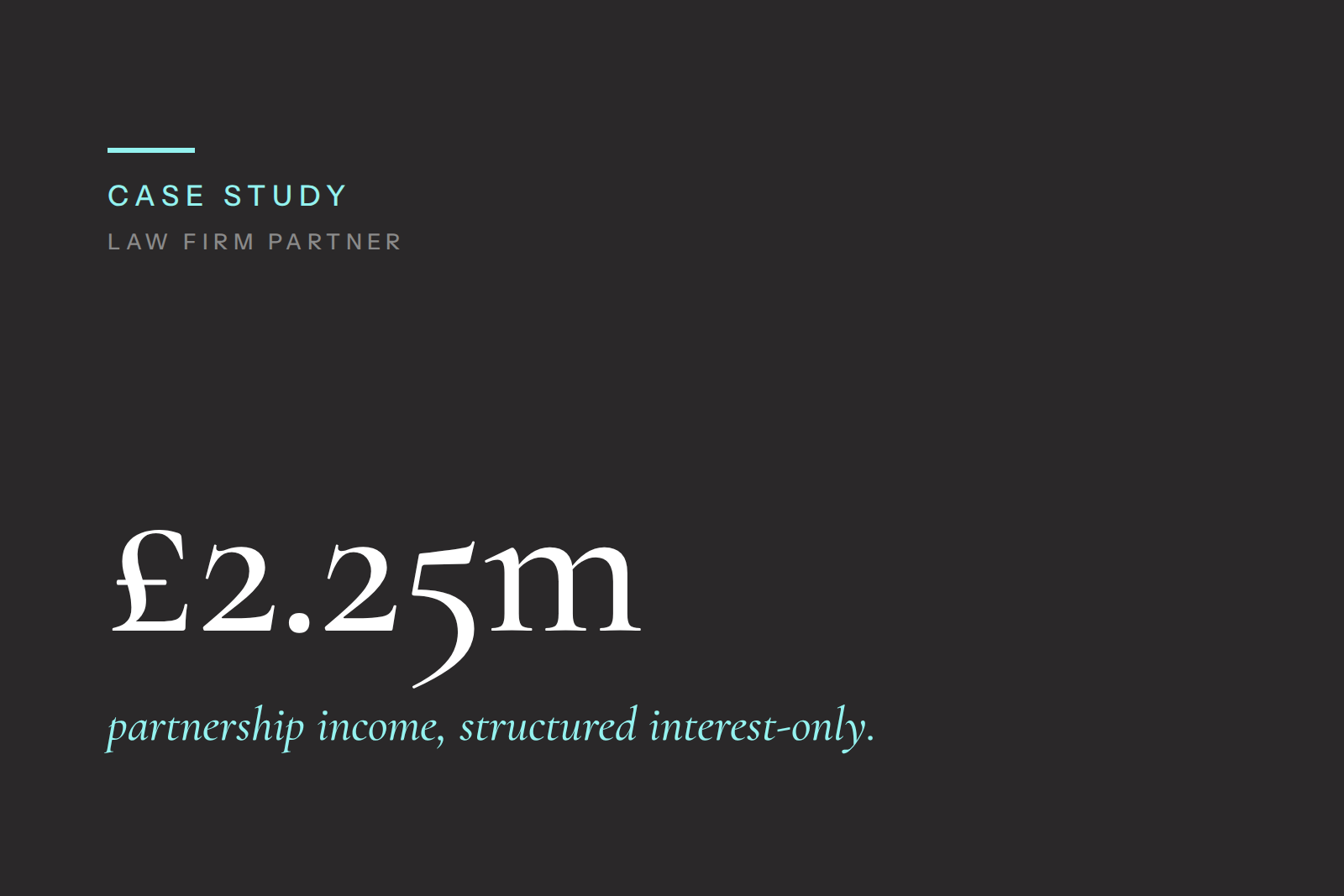
A law firm partner approved for a higher loan chose to borrow less to avoid future refinancing friction during variable profit years.
A banker with significant bonuses limited borrowing to base salary affordability to reduce reliance on annual incentive payments.
A consultant opted for lower initial leverage, increasing borrowing later once income structure and predictability improved.
How We Think About Structuring for High Earners
For professionals with complex income, borrowing decisions are often considered in the context of:
Income timing rather than headline totals
Expected career progression or structural changes
Liquidity and balance-sheet strength
Future refinancing and exit options
This approach focuses on sustainability and adaptability rather than maximising borrowing at a single point in time.
A Final Thought
For high earners, maximum borrowing is a reference point rather than an objective. The most appropriate borrowing level is usually the one that supports financial flexibility, manages risk sensibly, and allows future decisions to be made by choice rather than necessity.
FAQs
-
Not necessarily — but affordability today doesn’t guarantee flexibility tomorrow. It’s context-dependent.
-
Usually the opposite. Lower leverage often increases lender choice and future refinancing ease.
-
Private banks focus more on balance sheets and long-term capacity than headline multiples.
-
Yes — and it’s often easier if the original loan was structured conservatively.
-
Not at all. For many high earners, it’s a deliberate strategy to preserve flexibility, reduce future refinancing friction, and avoid decisions being forced by timing rather than choice.
If you’re weighing up how much to borrow — and why — a short conversation can help map the trade-offs before decisions become irreversible.
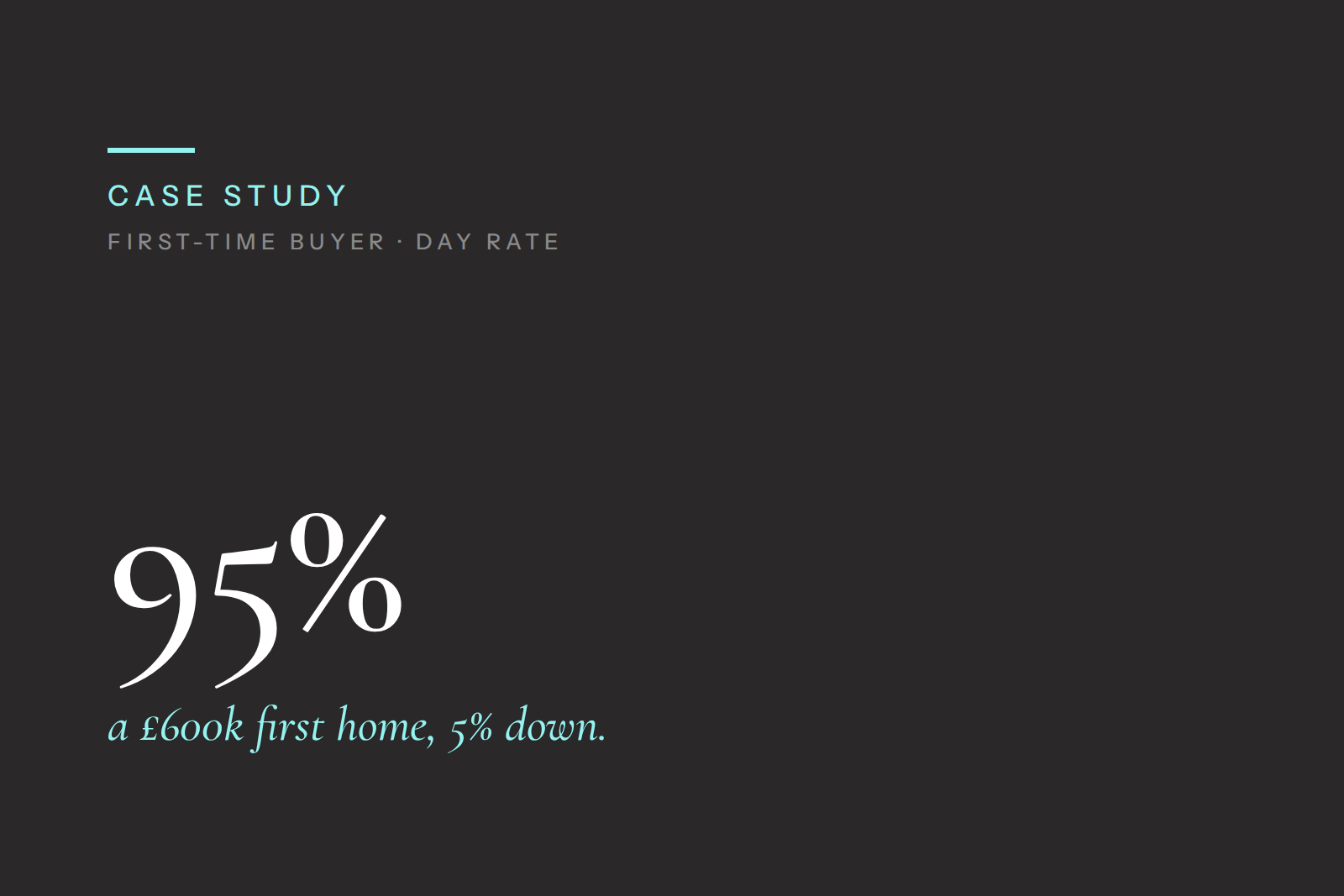
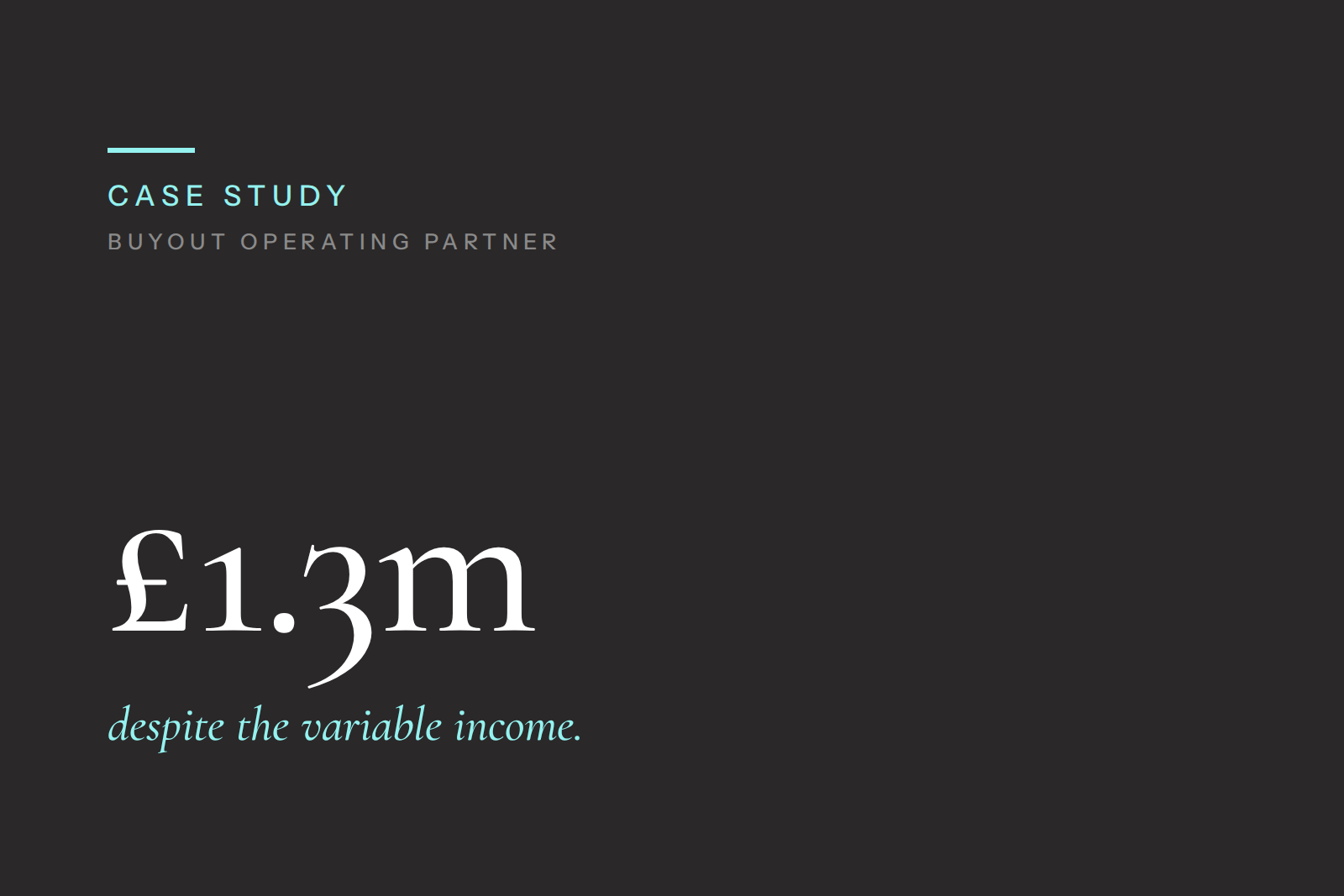
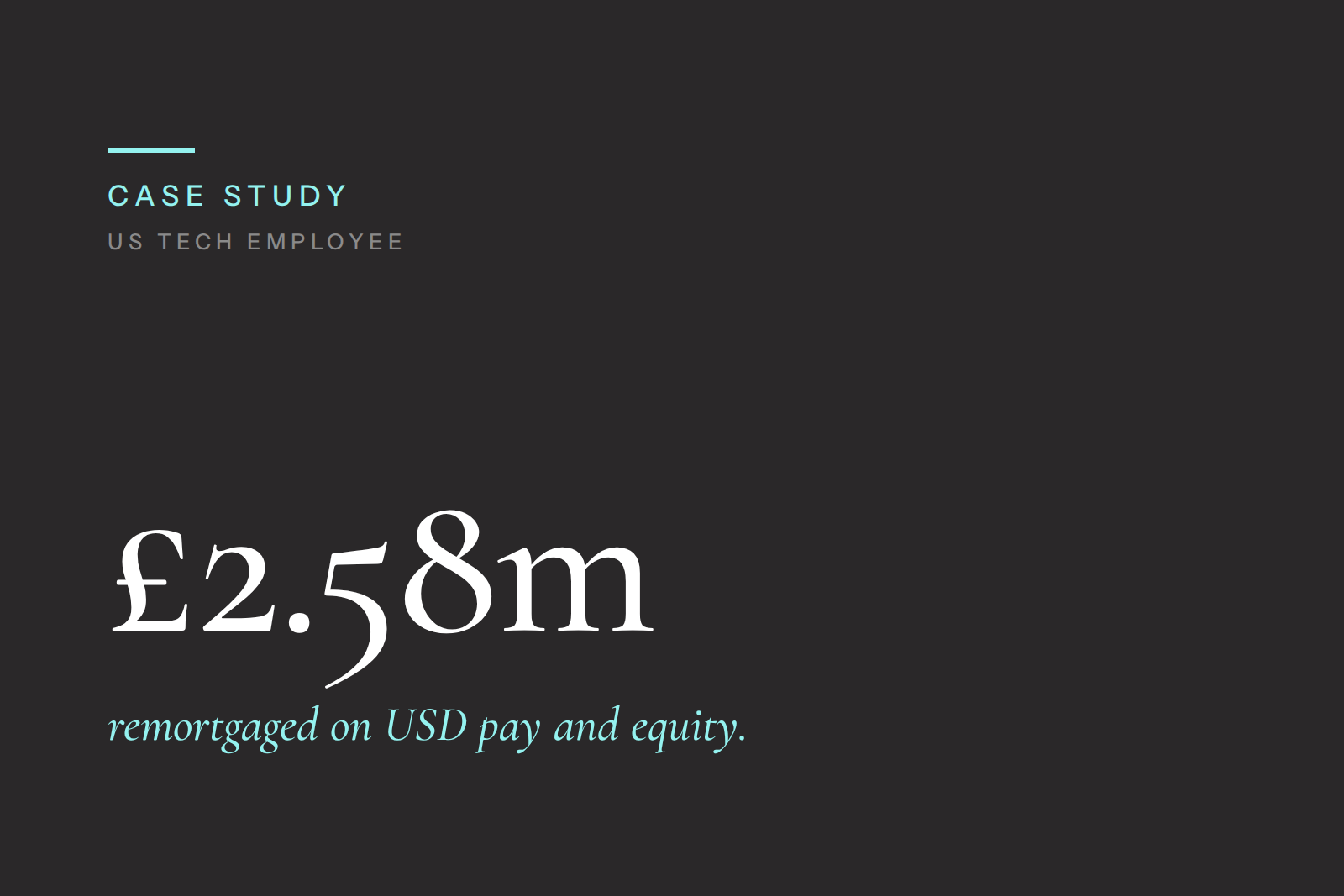
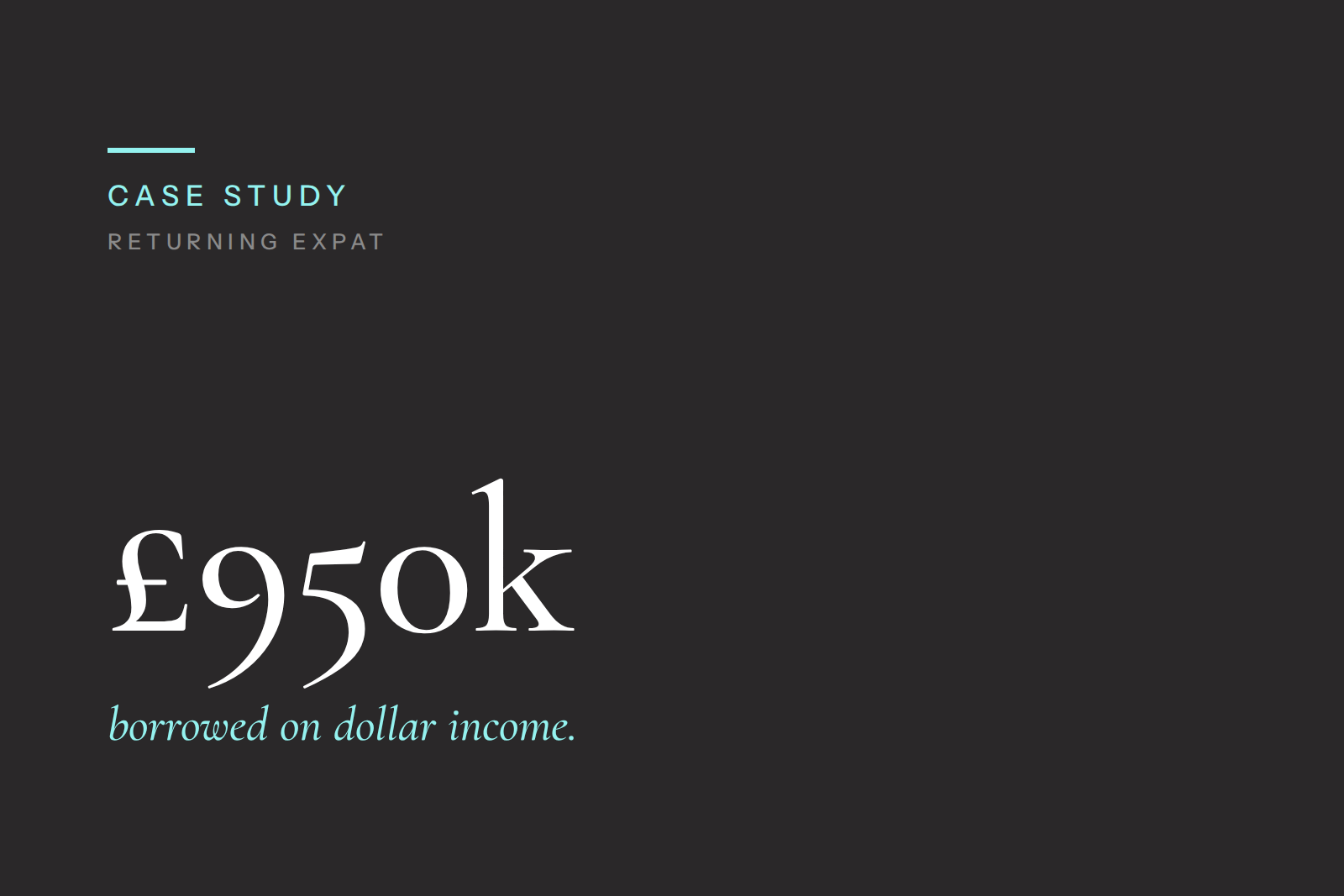
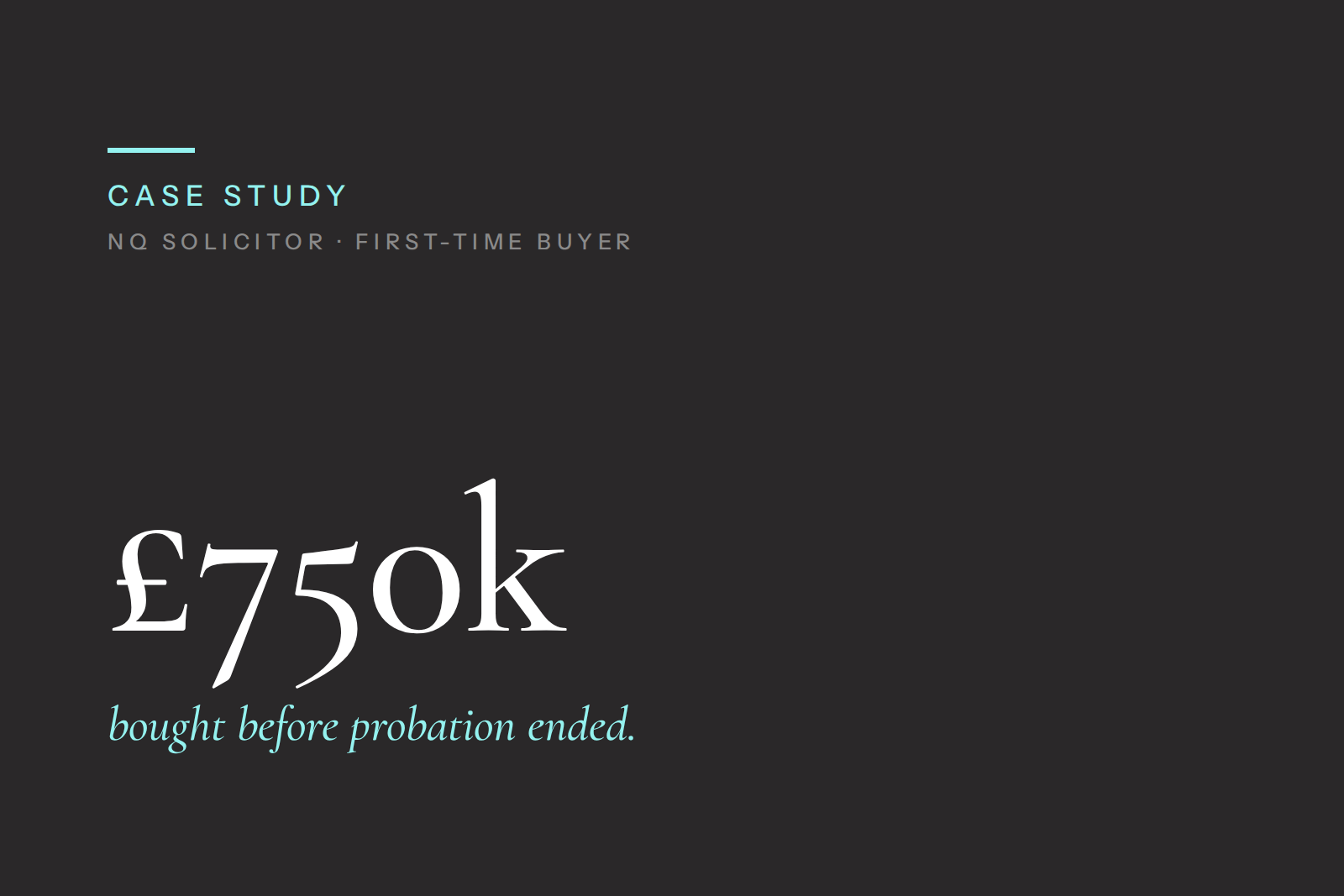
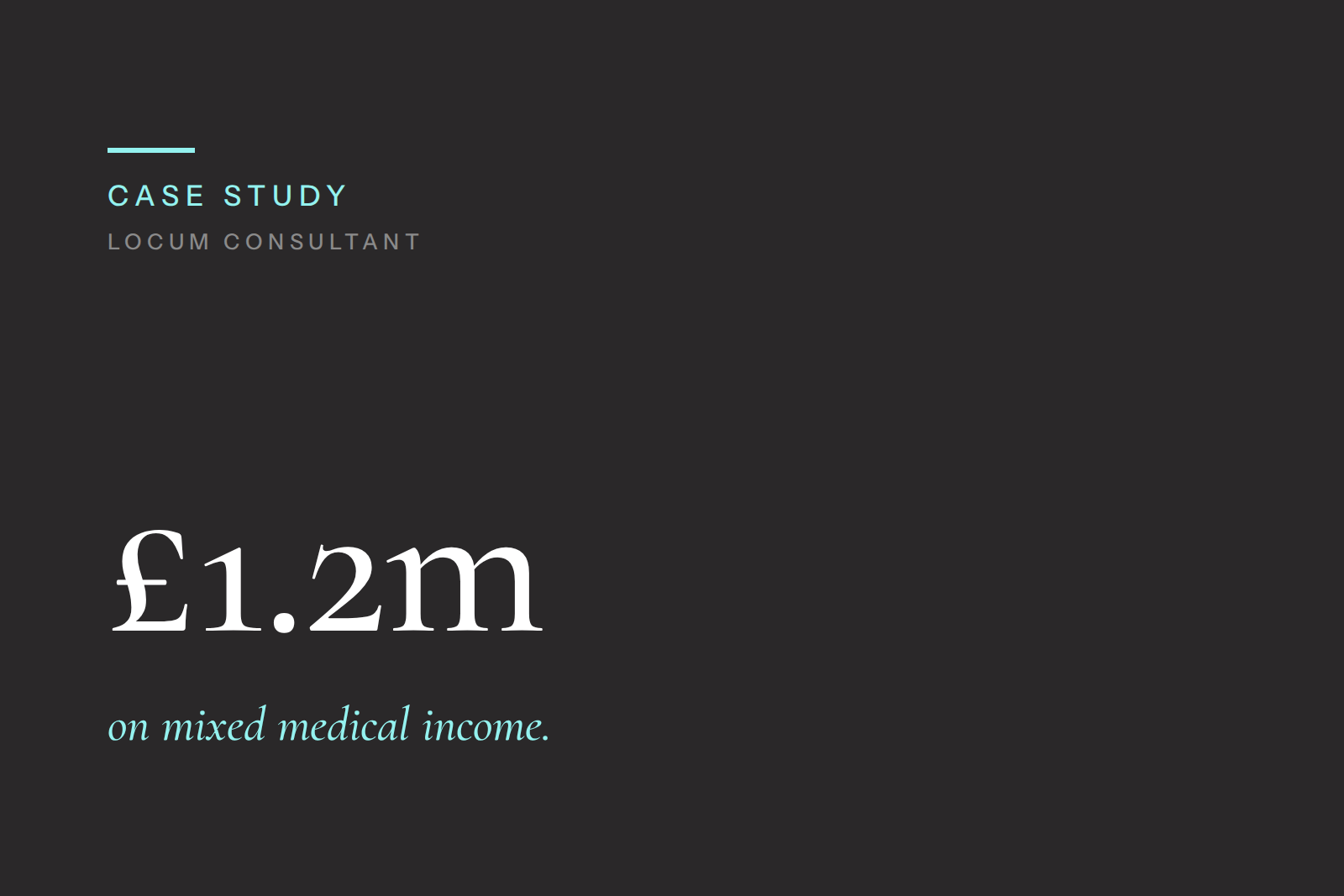
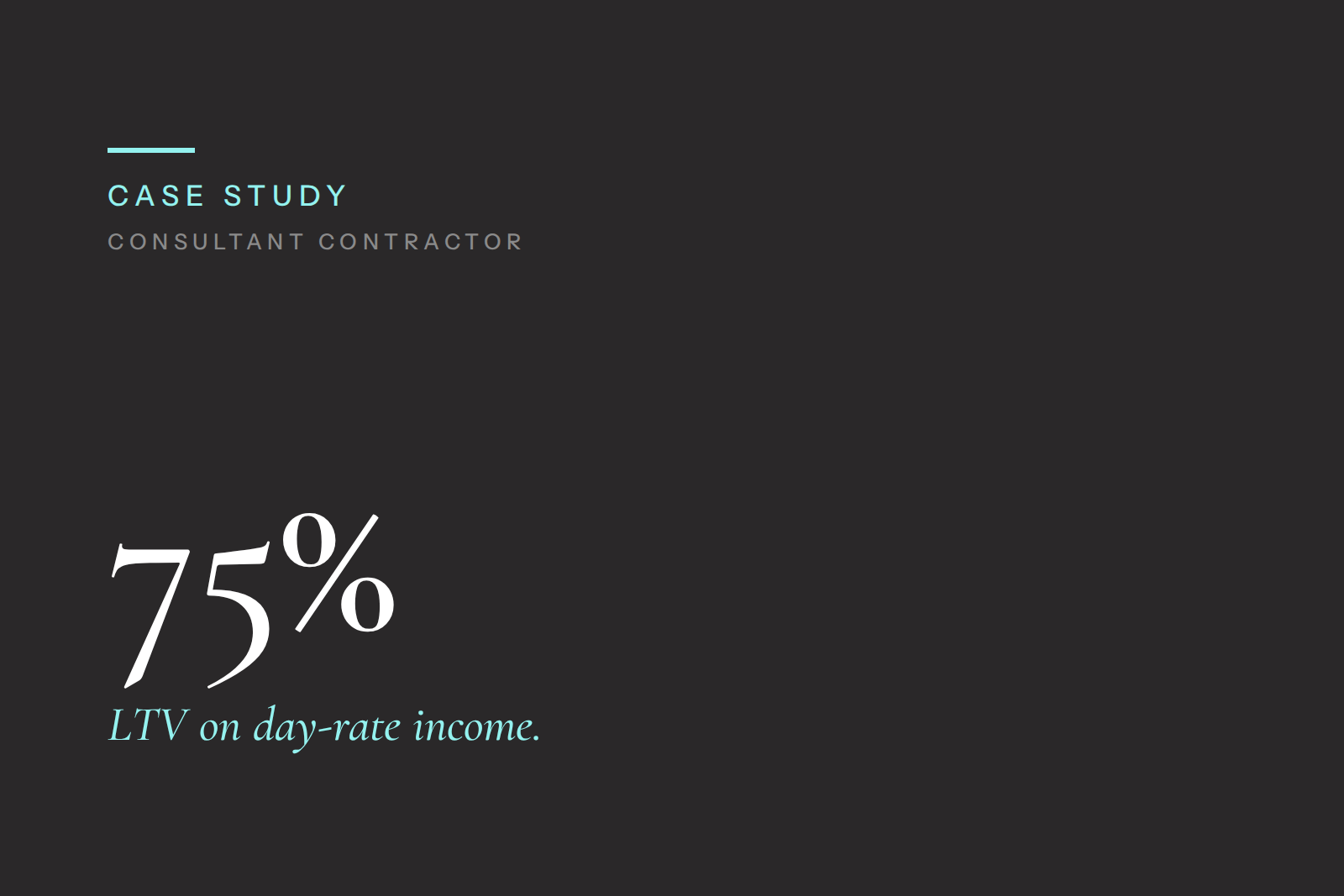
How We’ve Helped Clients Like You
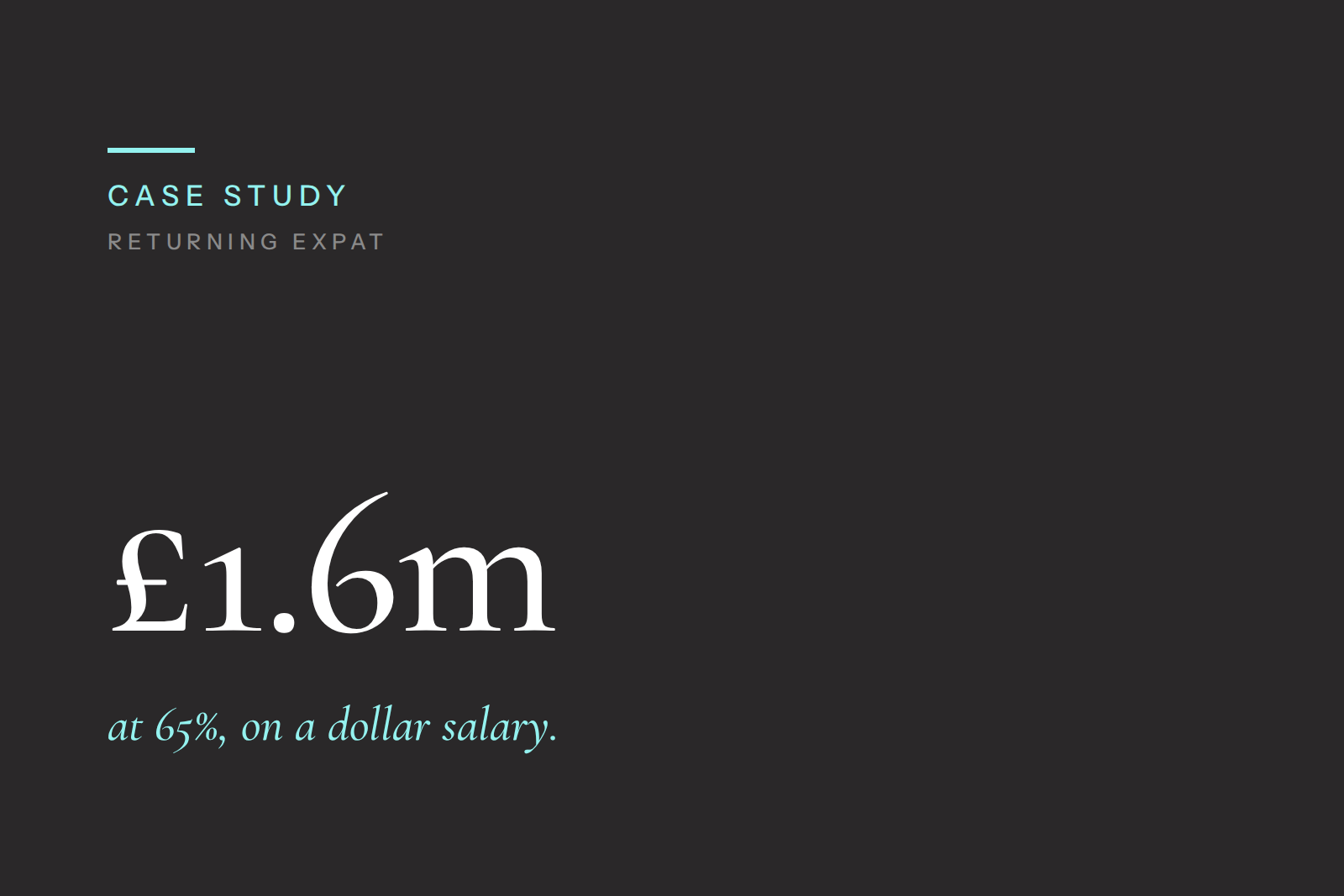
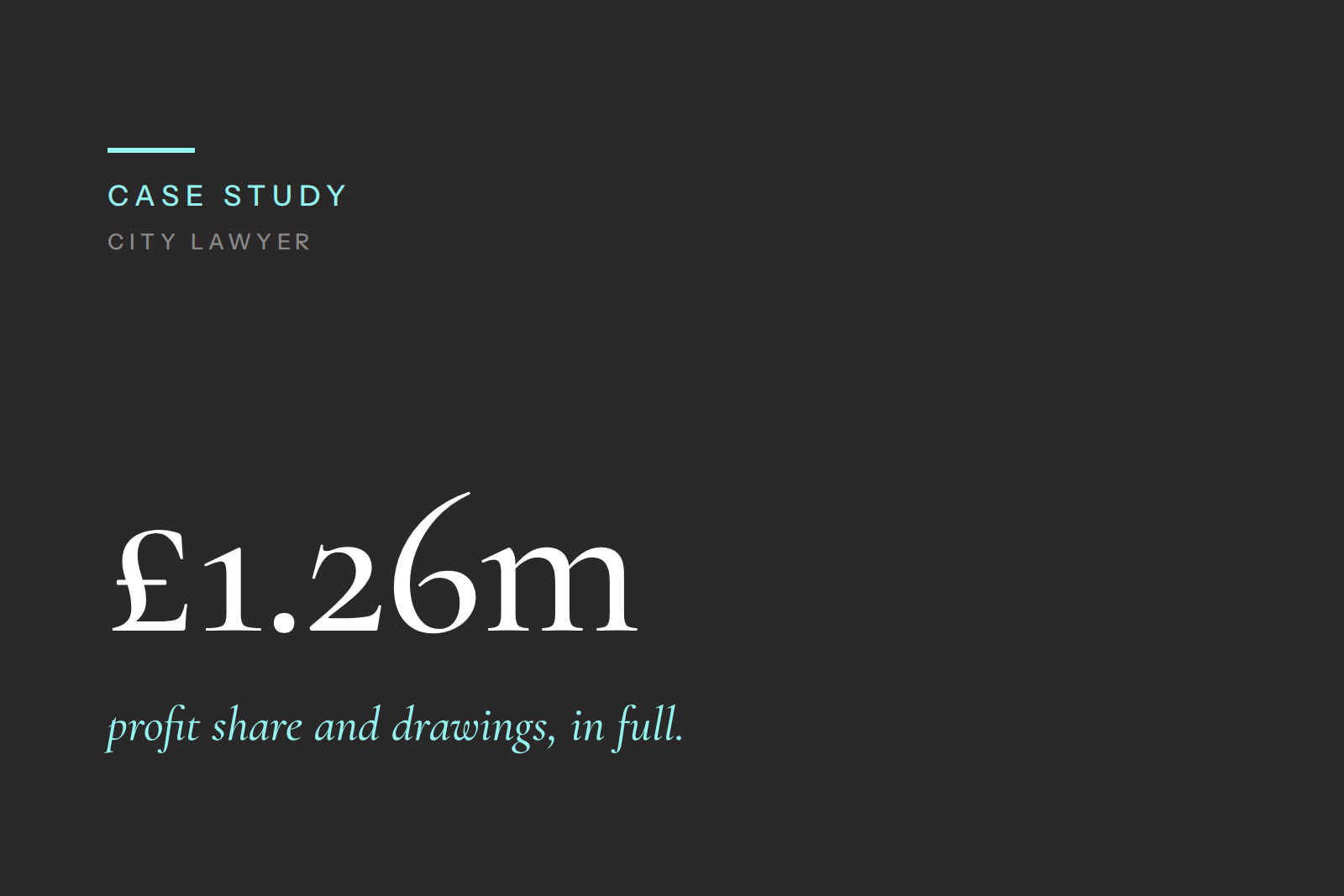
These clients faced similar challenges - here’s how we helped them secure the right deal.



















Related Articles
























YOUR HOME MAY BE REPOSSESSED IF YOU DO NOT KEEP UP REPAYMENTS ON YOUR MORTGAGE
Kite Mortgages is a trading style of Kite Financial Ltd which is an appointed representative of The Openwork Partnership, a trading style of Openwork Limited which is authorised and regulated by the Financial Conduct Authority.
Approved by The Openwork Partnership on 02/02/2026