
Remortgage Vs Product Transfer: Which Is Right For You This Year?

DIRECTOR AND MORTGAGE ADVISER
Specialist broker for high-earning professionals and complex income cases.
Your fixed rate is ending and the options feel noisy. The truth: neither route is “always best.” The right choice balances total cost, risk, and admin friction for your circumstances. Here’s a scannable framework that gets you to the answer quickly.
Remortgage Vs Product Transfer: Which Is Right For You This Year?
Often, remortgage wins on price and features, while a product transfer wins on speed and simplicity. Choose remortgage when the total cost saving (rate minus fees) justifies underwriting and legal work. Choose product transfer when saving is small, timing is tight, or affordability could be challenging.
Who This Guide Is For
Homeowners with a deal ending within the next 6–9 months, including high earners with complex income (bonuses, restricted stock units (RSUs), private practice, partnership profit) who want a clear, low-friction route.
Request your fee free mortgage consultation today. No obligation, just sound advice.
The Quick Decision Framework (5 Checks)
Total Cost To End Of Fix – rate + product fees + legals/valuation − cashback.
Timing & Risk – do you need a quick switch or is a full application realistic?
Affordability/Criteria – any changes that could make new underwriting harder?
Features You Need – overpayments, offset, interest-only/part-and-part, portability.
Extra Borrowing – do you need more funds now (e.g., works/debt tidy-up)?
When A Remortgage May Be Better
Cheaper overall: New-lender pricing beats your transfer after fees.
Feature set: You want offset, part-and-part or other features your lender won’t offer on a transfer.
Higher flexibility: You may need a different term, structure, or overpayment rules.
Large loans: Small rate gaps can mean big savings over 2–5 years.
Service issues: You prefer a lender with stronger service levels or future options.
What it involves: New affordability checks, hard credit search, conveyancing (usually free legals or cashback), and a valuation (often automated). Allow time for underwriting.
When A Product Transfer May Be Better
Speed & certainty: No property legals and light/no underwriting in many cases.
Affordability concerns: If income has become complex or tighter, a transfer can avoid a full reassessment.
Short runway: If your deal ends in weeks, locking a transfer avoids lapse to standard variable rate (SVR).
Credit prudence: Recent credit events? A transfer may be more forgiving.
Fees: Sometimes no/low product fee options make the math close enough.
What it involves: Choose a new rate with your current lender; typically completes on your existing deal’s end date.
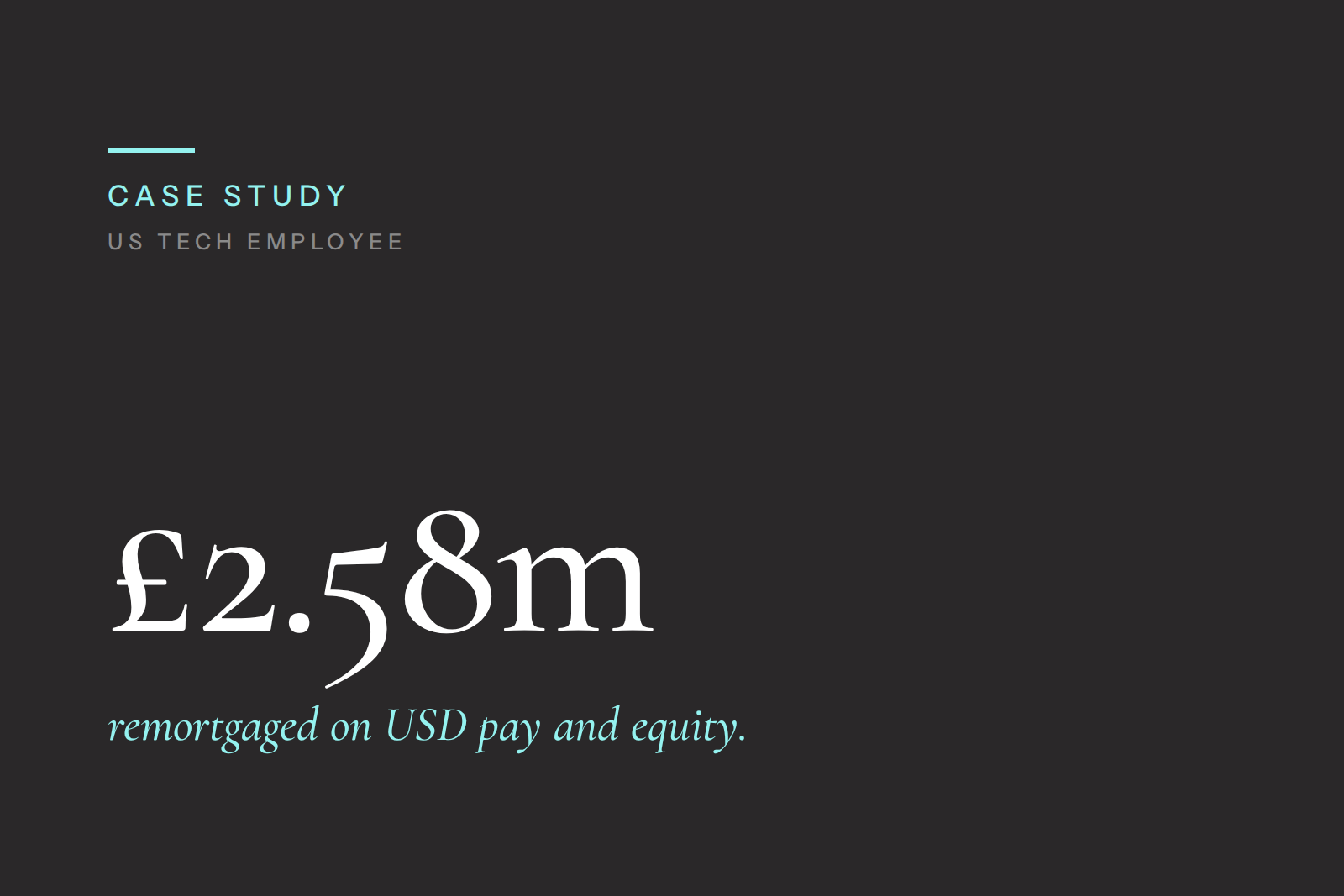
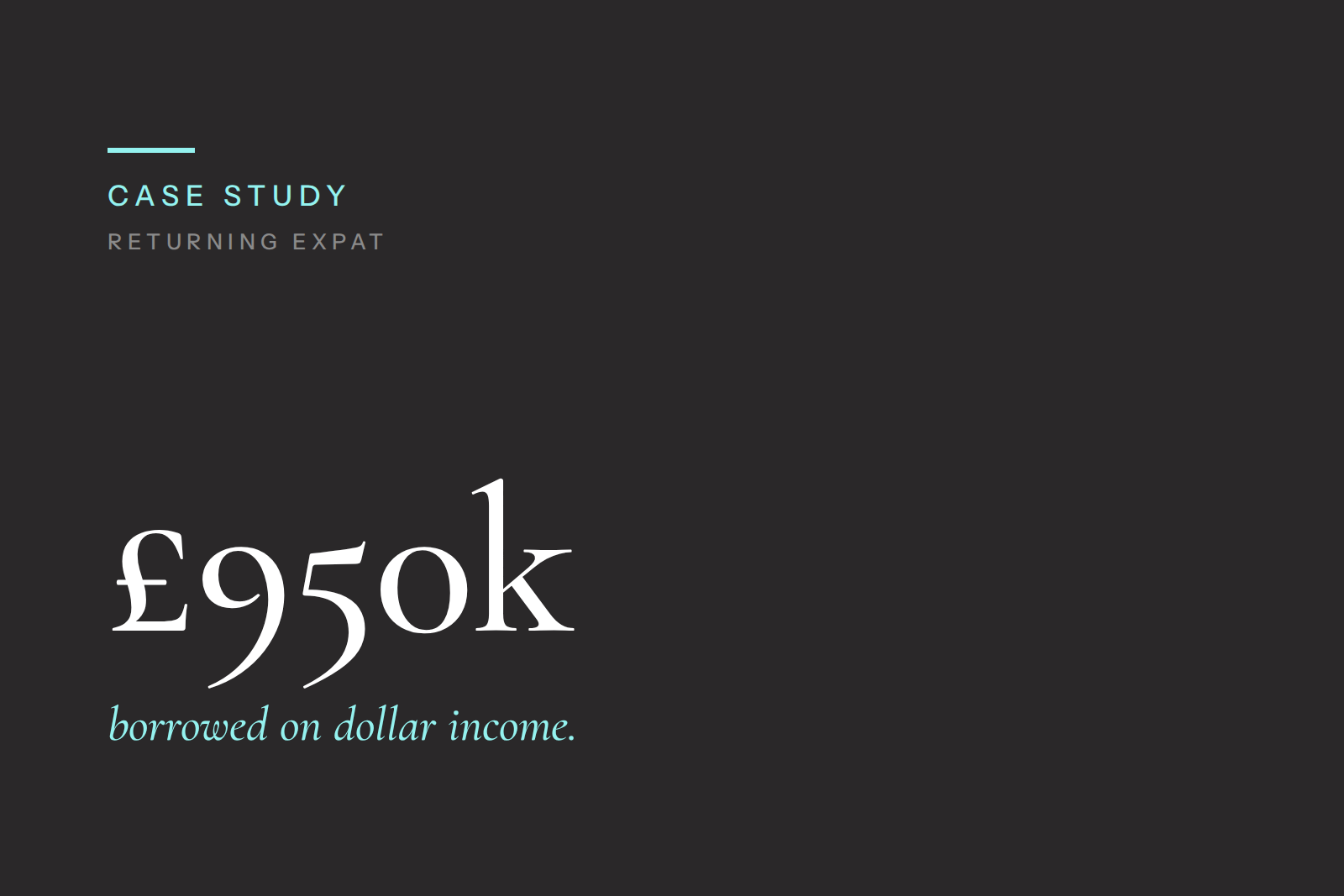
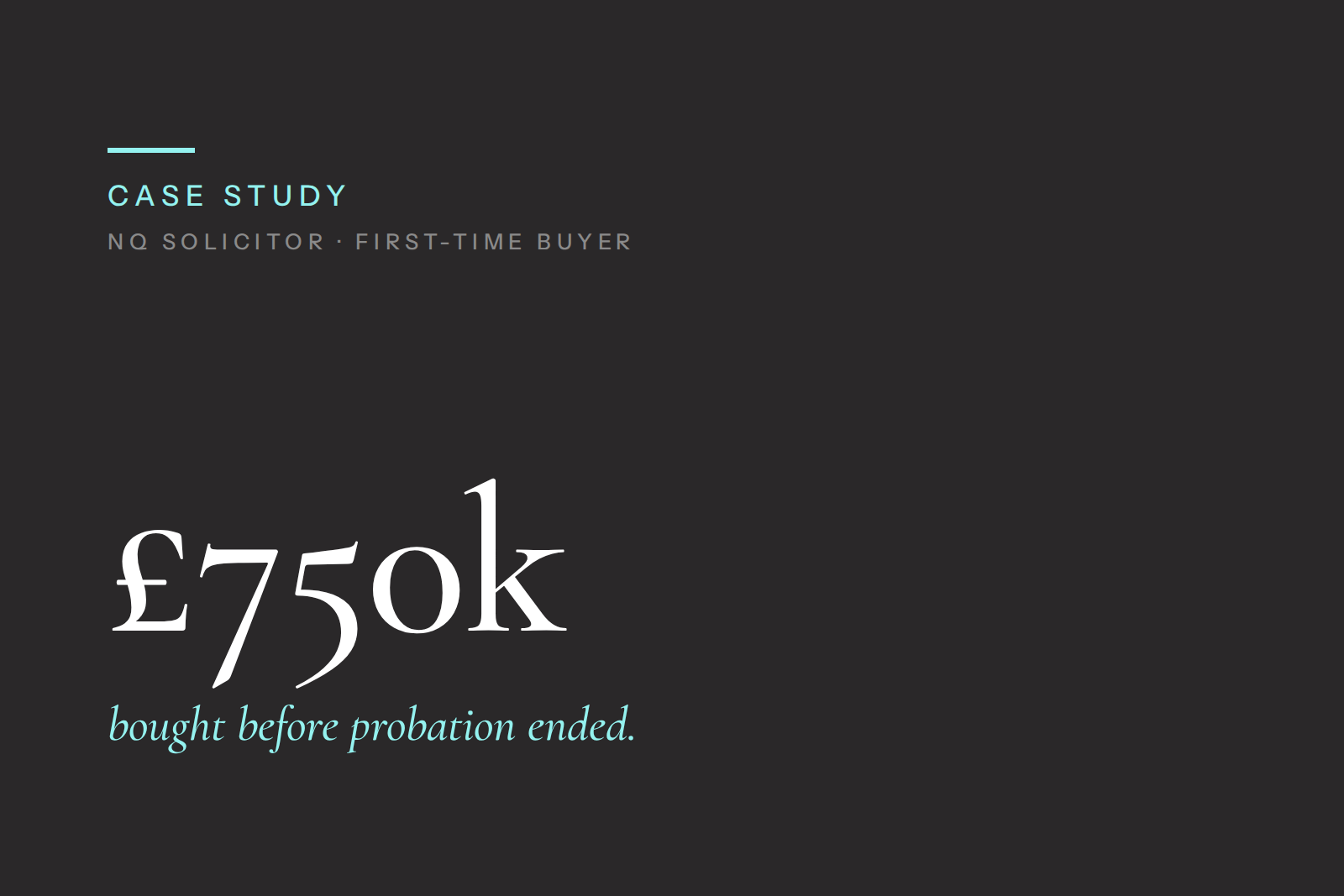
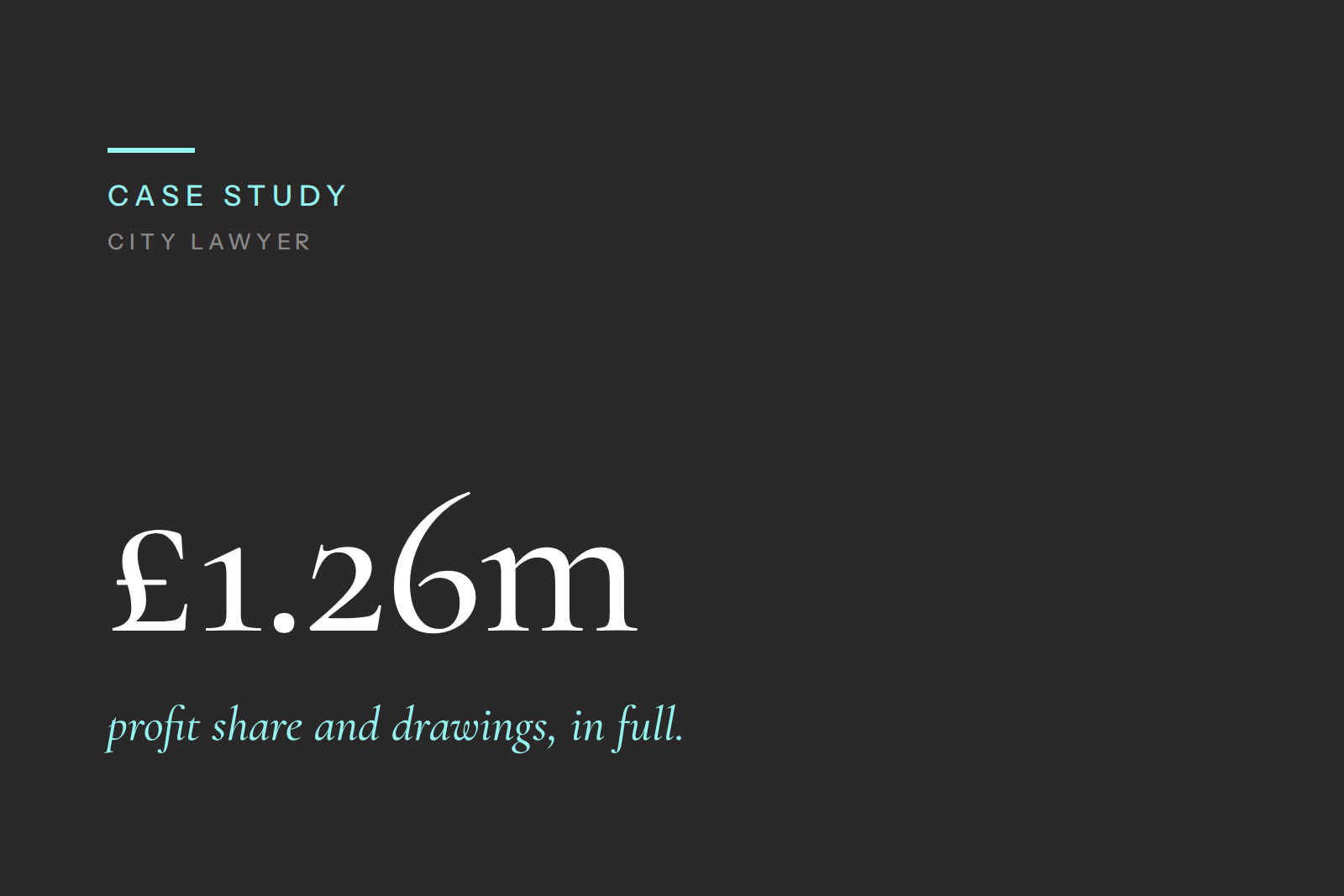
How We’ve Helped Clients Like You
These clients faced similar challenges - here’s how we helped them secure the right deal.

























Extra Borrowing: Top-Up, Further Advance Or Remortgage?
Further advance (same lender): Keeps admin lighter; pricing may differ from headline rates.
Remortgage with additional borrowing: Full new loan can be cheaper if the market is sharper—requires full underwriting and legals.
Valuation, Legals & Fees — What To Expect
Remortgage: Often free valuation + free legals or cashback; check small print and timelines.
Product transfer: Usually no valuation or legal work; quick switch.
Fees matter: On large loans, a small rate gap can be outweighed by fees—or vice versa. We model total cost to the end of the fix, not just the APR.
Risk Controls & Timing
Reserve early: Most lenders let you secure a rate 3–6 months before your deal ends and switch again if pricing improves.
ERC awareness: Early Repayment Charges apply if you exit mid-fix; align completion dates carefully.
Overhang plan: If timing slips, consider a tracker with no ERCs as a bridge.

Speak To An Expert Today
Get in touch for a fee free, no-obligation chat about how we might be able to help you.
Complex Income? Present It Cleanly
Bonuses/RSUs/Variable pay: Many lenders use averages or percentages of variable income; history helps.
Self-employed/LLP/private practice: Expect two years’ accounts/SA302s (some may use latest year if trending).
Interest-only/part-and-part: Possible with acceptable repayment strategy and within policy.
Foreign currency: Often discounted before affordability—sterling income usually anchors the case.
Documents Checklist
ID & address history, last 3 months’ bank statements
Payslips x3 & P60, or 2 years’ accounts/SA302s (self-employed/LLP)
Current mortgage statement and product end date
Buildings insurance details and solicitor info (if remortgaging)
Proof of deposit/top-up funds if borrowing more
Ready To Talk?
We’ll benchmark your product transfer against some of the best remortgage options, model total cost to the end of the fix, and manage timelines so you avoid SVR and surprises. Request your fee-free mortgage consultation.
Request your fee free mortgage consultation today. No obligation, just sound advice.
FAQs
-
No. Sometimes a product transfer is within touching distance once fees are included—and finishes faster.
-
Remortgages usually do (often free and automated); product transfers often don’t.
-
Often yes—many lenders allow a rate switch to a cheaper product before completion. Policies vary.
-
Sometimes via a further advance. Pricing and timing can differ from a straight switch.
-
Get options from both your lender (transfer) and the market (remortgage), then compare total cost and timelines. Secure something now; you can refine later.
Related Articles





























YOUR HOME MAY BE REPOSSESSED IF YOU DO NOT KEEP UP REPAYMENTS ON YOUR MORTGAGE
Kite Mortgages is a trading style of Kite Financial Ltd which is an appointed representative of The Openwork Partnership, a trading style of Openwork Limited which is authorised and regulated by the Financial Conduct Authority.
Approved by The Openwork Partnership on 27/11/2025