DIRECTOR AND MORTGAGE ADVISER
Specialist broker for high-earning professionals and complex income cases.
Request your fee free mortgage consultation today. No obligation, just sound advice.
RSU mortgage UK refers to lenders assessing restricted stock units as income where vesting is proven and consistent. Most consider only vested RSUs, usually averaged over 12–24 months, and require clear documentation of awards and cash credits. Unvested grants are typically excluded from affordability.
Client Profile
Persona: Senior Software Engineer (Big Tech)
Income: £95k base + RSUs vesting quarterly
Property: £900k house
Goal: Maximise borrowing using a credible track record of vested equity income
The Challenge
Unvested RSUs: Commonly not counted by mainstream lenders.
Irregular Income Pattern: Quarterly vesting creates peaks/troughs in payslips and bank credits.
Price Volatility: Share price movements can distort recent months.
Evidence Burden: Underwriters look for award schedules, vest confirmations, and cash realisations.
Our Approach
Use A 12–24 Month Average: We modelled affordability on vested (and where sold, realised) RSUs only, smoothing volatility.
Exclude Unvested Grants: Kept the case clean and policy-aligned.
Evidence Pack: Employer award letters, vesting schedules, brokerage statements showing vest/sale, bank credits, and payslips.
Timing: Submitted just after a quarterly vest to reflect current-year income.
Part & Part Structure: Matched to a lender offering part interest-only with an acceptable repayment strategy on the IO slice.
Stress Tests: Sensitised for lower future vest amounts and share price dips.
Speak To An Expert Today
Whatever it is, the way you tell your story online can make all the difference.
Documents Lenders Want To See For RSU Mortgage UK
Award grant letters and full vesting schedule
Confirmation of each vest (and sale where applicable)
Brokerage statements showing share movements and cash proceeds
Bank statements evidencing credits
Employer compensation summary / P60s and payslips
The Outcome: Approval With Part Interest-Only Structure
Decision: Mortgage approved with a part & part setup, keeping repayments efficient while meeting policy on the IO portion.
Affordability: Vested RSUs recognised via a 12–24 month average; unvested stock excluded.te shifts.
What Helped This Case Succeed
Clear Paper Trail: Every vest mapped to a statement and bank credit.
Prudent Averaging: Normalised irregular vest timings and price swings.
Right Lender Fit: Appetite for variable remuneration and part interest-only within LTV and income thresholds.
Guidance For UK Borrowers With RSUs
Expect Unvested RSUs To Be Ignored in affordability.
Build A 12–24 Month Record of vested (and where sold, realised) awards.
Organise Evidence Early—award docs, brokerage, and bank statements.
Consider Part & Part if policy allows and a suitable repayment plan exists.
Time Your Application shortly after a vest when documentation is freshest.
Read our full guide to mortgages for tech and product leaders →
See our complete guide to equity compensation mortgages →
Why Kite Mortgages
We translate equity compensation into lender-friendly language—targeting policies that consider vested RSUs and structuring applications to pass affordability without overpromising.
Request your fee free mortgage consultation today. No obligation, just sound advice.
Related Case Studies

Their own bank could not assess the profits of his US company. A high-street bank with an international proposition could, on two years of US tax returns and an accountant's letter: a £900,000 joint remortgage, £250,000 of it for the works.
He kept £300,000 back from the deposit for a flat on the coast and now sells half of each quarterly vest. It all sits in a building society's offset against a £1.4m mortgage on his £320k base alone. Interest charged on roughly £1.0m of the £1.4m.
Three advisers read her as self-employed: two years of £45 to 60k drawings, capacity under £270k. Her 22% post-round stake put her below some lenders' ownership line. Assessed as an employee on a £180,000 board-set salary, she borrowed £770,000 at 4.3x.
She expected the structuring she had seen partners need. Her pay was a £120k base and a cash bonus. Half the two-year bonus average counted, recognised income was £157,500, and a top-five clearing bank lent £680,000 at 85% LTV on its standard range at 4.3x.
Buy the townhouse, renovate for a year, then move and sell the flat. Base salaries supported £1.39m; the plan needed £1.725m across two loans. Full bonus recognition made it 4.2x, with a no-ERC tracker on one side and an offset catching the proceeds on the other.
His RSUs were worth £400k on paper and nil to a lender until the listing. The £1.1m purchase stood on a £210k base at roughly 5.2x, on a tracker with no early repayment charges. After the listing £300k went into the balance without penalty, and £800k was fixed at 55% LTV.
His private bank facility had done its job five years ago. At renewal it still asked for £500,000 of his assets to stay with the bank. Refinanced interest-only at 60% LTV with a clearing bank's large-loan team, at 4.4x recognised income, the condition ended.
Paid CHF 480,000 in Zurich, living in Twickenham, mid-fifties: three reasons most lenders hesitate. One high street lender counted the converted £428,500 in full and refinanced £730,000 over a 14-year term, with unlimited overpayments to finish early.
A Big Tech Principal Engineer whose base had sat at £200k for three years needed £1.3m for a £1.75m Sevenoaks home. A building society counted half of his latest twelve months of vested RSUs, recognised £290,000 of income and lent at roughly 4.5x.
Four months into partnership, paid entirely in USD, and needing £2.48m at 80% LTV. An international bank’s large-loan team worked from the firm’s own schedule, applied no currency haircut and recognised £550,000 of income, roughly 4.5x.
An M&A associate had just moved banks with a £60k sign-on and a £90k guaranteed bonus. Neither counted. Her first home, £930k on a £1.1m Earlsfield house at under 85% LTV, was placed at 6x her £155k base salary alone.
Standard bonus averaging supported £791,000; the buyout needed £1.24m. A clearing bank recognised £235,000 of income, the full latest bonus, and lent at roughly 5.3x, keeping her in the family home and her former partner’s share released in full.
Two solicitors on £242,000 of combined basic salary needed £1.45m for a £1.725m St Albans house. At 4.49x and 5.5x they fell short. A professional range at up to 6x lent the full amount at 84% LTV, once the deposit was resized to fit the band.
Half his deposit was a developer incentive and he had received one bonus. A high street lender accepted both — £157,500 of recognised income, £675,000 at 90% LTV, roughly 4.3x, with a new-build offer that flexes to the completion date.
A hedge fund portfolio manager on a £180k base, paid a fixed share of his book’s performance fees, needed £2.4m interest-only on a £3.25m home. A clearing bank’s large-loan team recognised £453,000 of income and lent at roughly 5.3x.
Told to wait two years for accounts, a software developer on a £575 day rate bought his first home instead. A high street contractor policy annualised the rate to £132,250 and lent £570,000 at 95% LTV, roughly 4.3x, with his renovation fund intact.
An equities trader on a £160k base and a £200k average annual bonus was ending a fix on an £850k mortgage against his £1.2m London home. A remortgage to a clearing-bank offset product recognised £260,000 of income at roughly 3.3x — and each bonus now works against the balance from the day it lands.
A hedge fund COO with half his bonus deferred needed to refinance £1.8m on a £2.5m home before his fix expired. A clearing bank counted the vested tranches paid through payroll, recognising £400,000 of income, and the remortgage completed at 4.5x.
An American VP on a Skilled Worker visa, 18 months into a London posting, needed £900,000 for a £1.2m house. A large international bank whose criteria let income override residency recognised £238,400 including his USD bonus; completed at 75% LTV.
A PE Partner refinancing £2.4m on a £3.2m home saw mainstream calculators read his carry as zero. A holistic underwrite credited a smoothed share of four years of distributions and the refinance completed interest-only at 4.8x recognised income.
A macro trader earning a £200k base with a bonus that swung between £180k and £420k needed £1.7m for a £2.3m family home. A clearing bank averaging three full years recognised £386,000 of income and agreed the loan interest-only at roughly 4.4x.
A hedge fund analyst on a £150k base needed £1.1m for a £1.4m home after his bonus fell to £120k from £270k. A lender applying 60% of a two-year average recognised £267,000 of income, and the loan completed at roughly 4.1x with the deposit unchanged.
An operating partner at a mid-market buyout firm needed £1.3m on a £1.7m home, with income spread across fixed drawings, board fees and a volatile profit share. Built on the stable layers at roughly 4.4x, it completed on mainstream large-loan terms.
A mid-market PE director needed £1.6m for a £2.1m home; salary and bonus reached £1,425,000 at most. A private bank recognised three years of crystallised co-investment gains, taking recognised income to £375,000 and the loan to roughly 4.3x.
A sole director drawing £90k while his company retained its profit needed £1.2m of borrowing. A lender assessing salary plus share of net profit after corporation tax recognised £267,570 of income, and the loan completed at just under 4.5x with no change to his dividends.
An investment banking Director secured a £990k mortgage on a £1.1m London flat at 90% LTV using multi-year bonus income. This case study shows how bonus averaging supported borrowing while retaining funds for property works.
A private equity VP secured a £1.9m mortgage on a £2.4m family home using salary and bonus income. This case study shows how part interest-only structuring and a five-year product aligned borrowing with future carry payments.
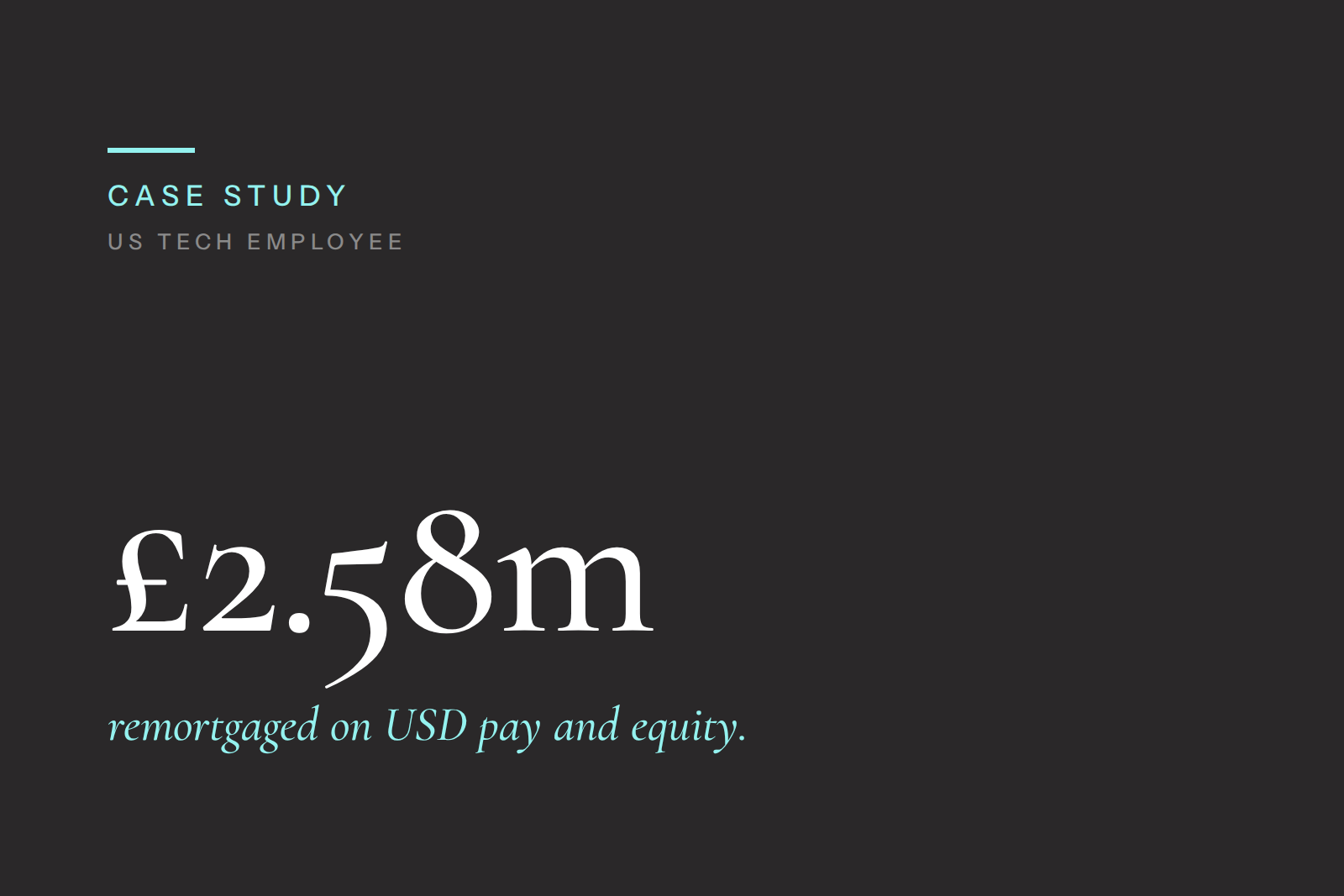
A UK-based employee of a US technology firm secured a £2.58m remortgage using USD salary, bonus, and RSUs. This case study explains how equity compensation and foreign currency income were assessed through a private banking solution.
An equity partner at a City law firm secured a £1.55m mortgage on a £1.85m family home using LLP income. This case study shows how part interest-only structuring supported affordability during a period of higher household costs.
YOUR HOME MAY BE REPOSESSED IF YOU DON’T KEEP UP REPAYMENTS ON YOUR MORTGAGE
Kite Mortgages is a trading style of Kite Financial Ltd which is an appointed representative of The Openwork Partnership, a trading style of Openwork Limited which is authorised and regulated by the Financial Conduct Authority.
APPROVED BY THE OPENWORK PARTNERSHIP ON 24/09/2025