
Proof of Bonus Income: What Lenders Want to See

DIRECTOR AND MORTGAGE ADVISER
Specialist broker for high-earning professionals and complex income cases.
Quick Take
Most mainstream lenders will include some of your bonus income—often an average of the last 1–2 years and frequently at 50%–75% of the gross figure—subject to affordability and overall profile. Clear evidence and timing make the biggest difference.
Request your fee free mortgage consultation today. No obligation, just sound advice.
What Counts As “Bonus” (And What Doesn’t)
Annual or Semi‑Annual Discretionary Bonuses: Common in law, banking, consulting. Usually considered in part with a track record.
Guaranteed Bonuses/Retention Awards: Strengthens the case if documented, but still subject to policy.
Commission and Performance Pay: Often grouped with variable income and averaged/discounted.
Profit Share/LLP Drawings: For partners, this is assessed as self‑employed/LLP income, not a bonus. Expect different evidence (SA302s/TYOs, firm letters, capital account).
RSUs/Deferred Stock: Some lenders may consider vested and evidenced awards; unvested awards are less likely to count.
How Lenders Typically Treat Bonus Income
Averaging Period: Many use the last 2 years (some 1 year with strong continuity; a minority may look at 3 years for volatility).
Inclusion Percentage: Commonly 50%–75% of the averaged bonus; a few may go higher with robust history and employer confirmation.
Currency & Location: If paid in foreign currency, some lenders may apply a haircut or work from an accepted‑currencies list.
Recency Matters: A bonus paid >12 months ago may be down‑weighted; year‑to‑date evidence helps show the current run‑rate.
Employment Status: Permanent employees generally have the broadest options; contractors/consultants are often assessed differently (day‑rate basis).
Illustration: Base £150,000 + bonuses £50,000 (2024) and £70,000 (2025). Averaged bonus = £60,000. Using 50% inclusion, eligible bonus = £30,000 → total assessed income ≈ £180,000.
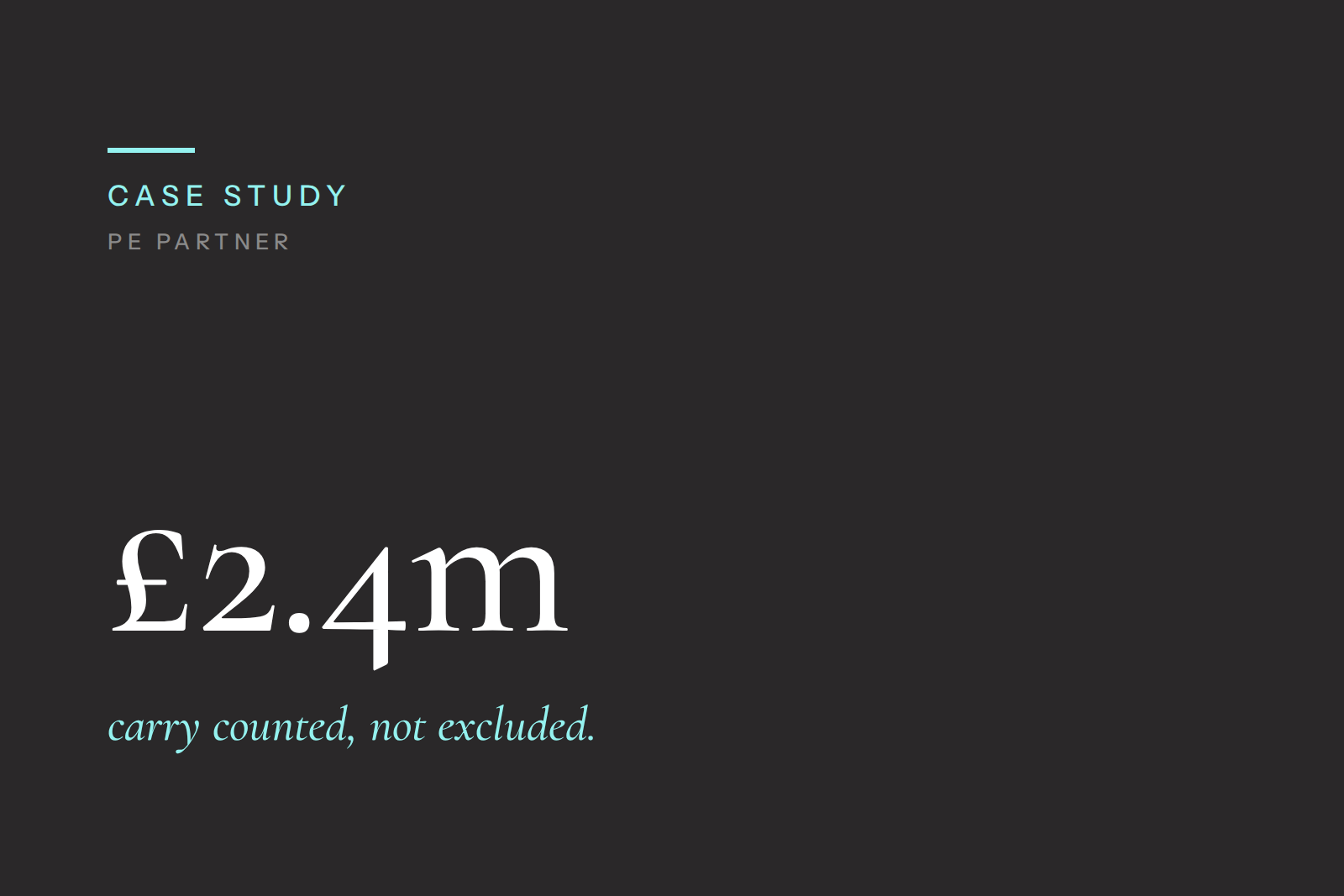
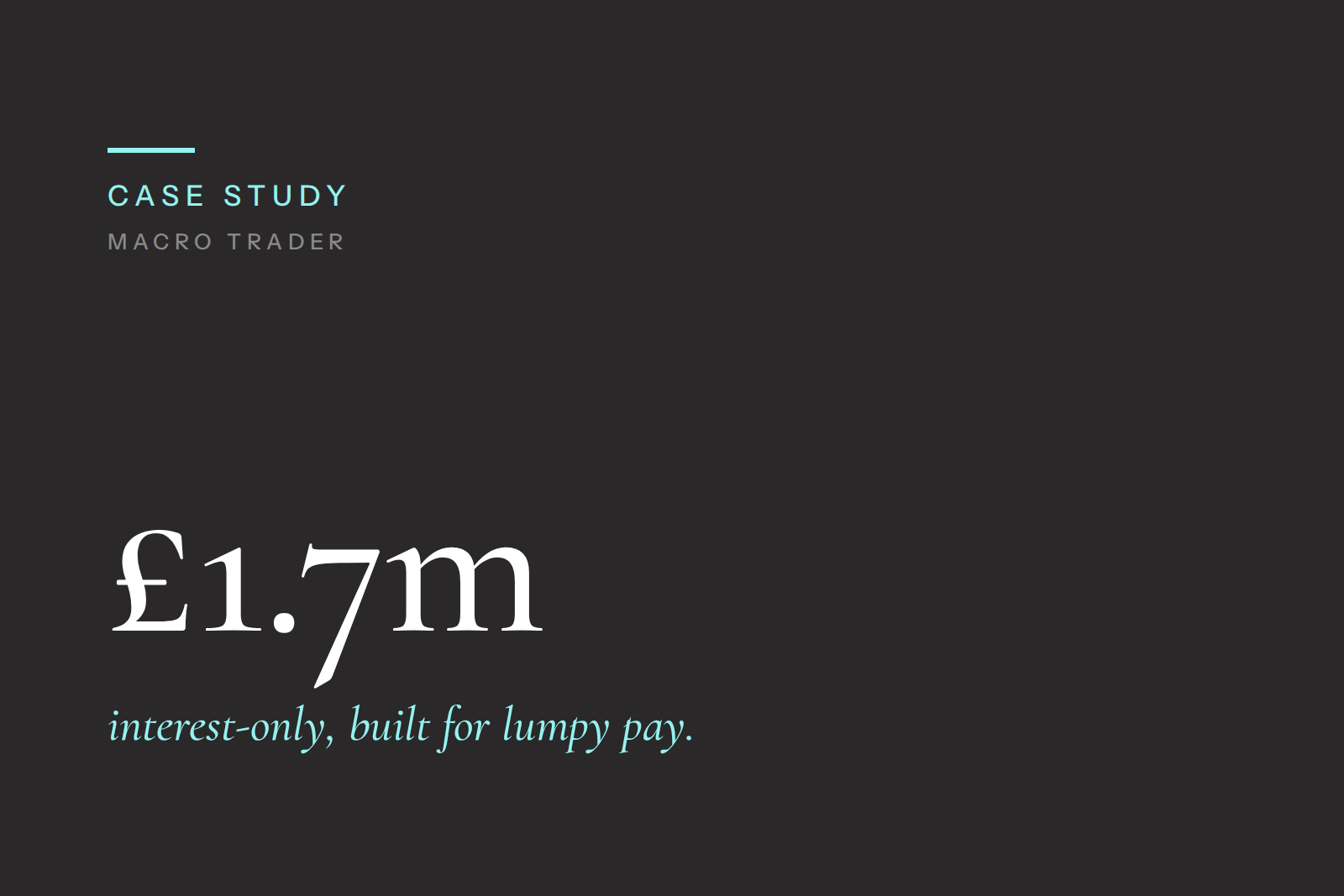
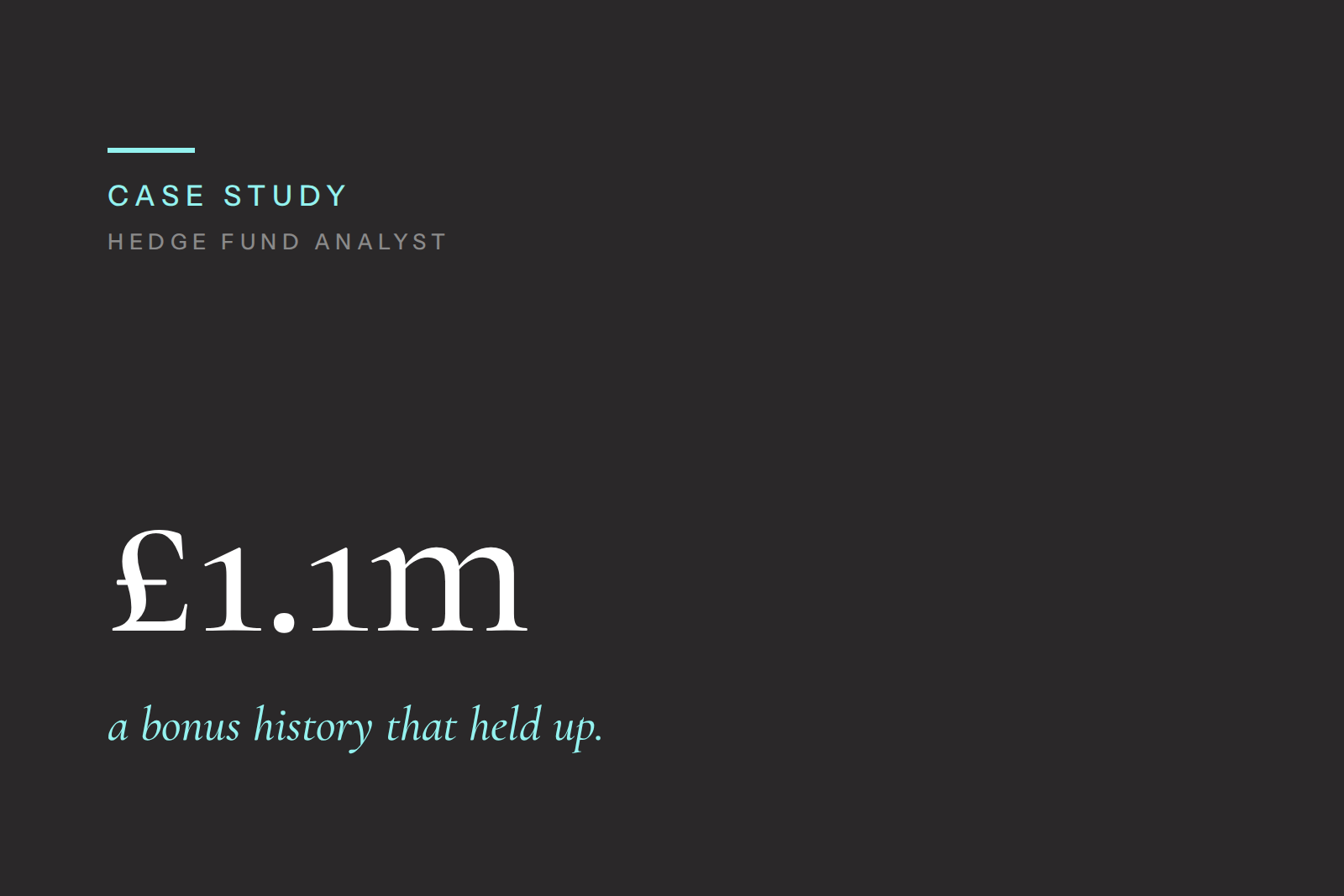
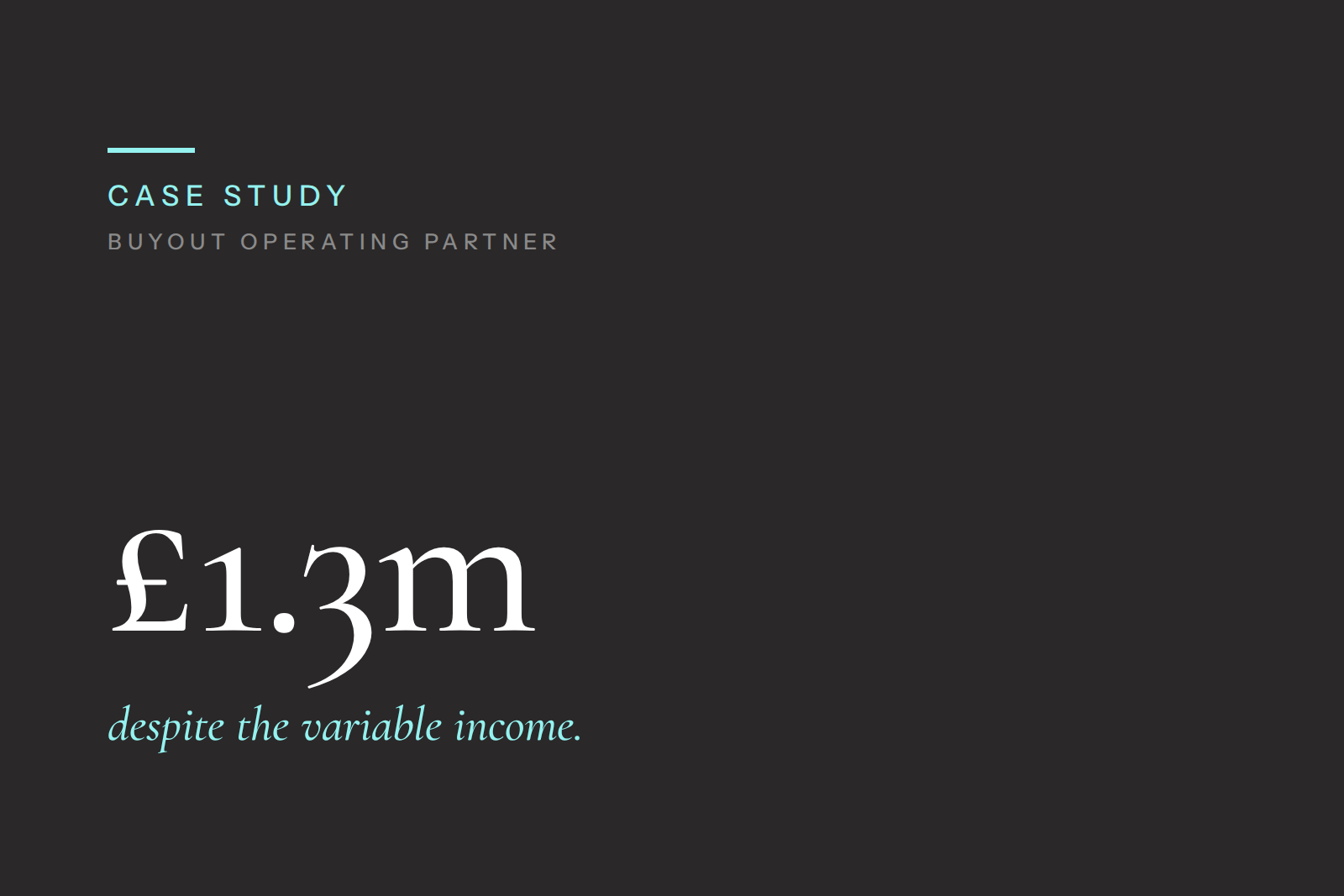
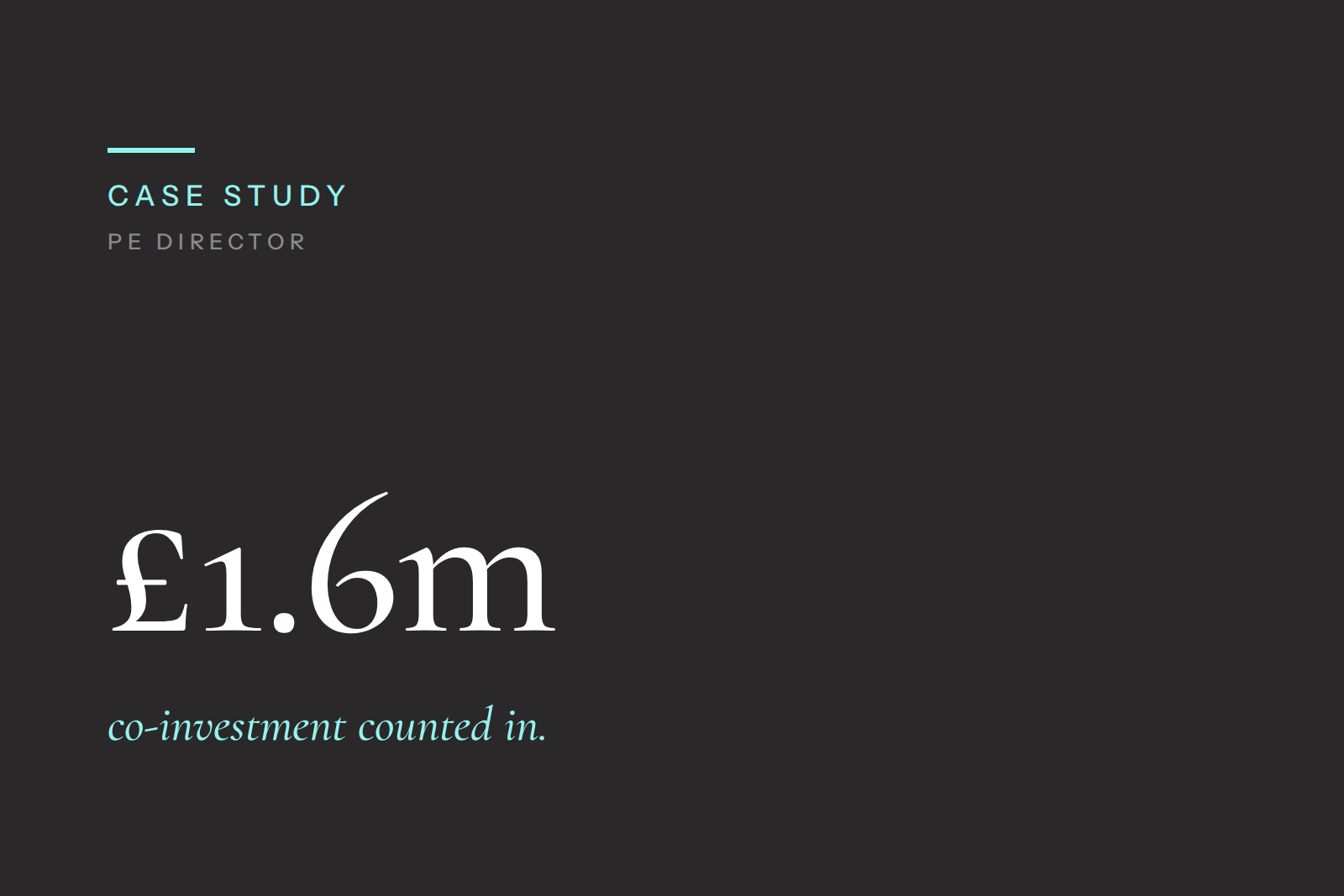
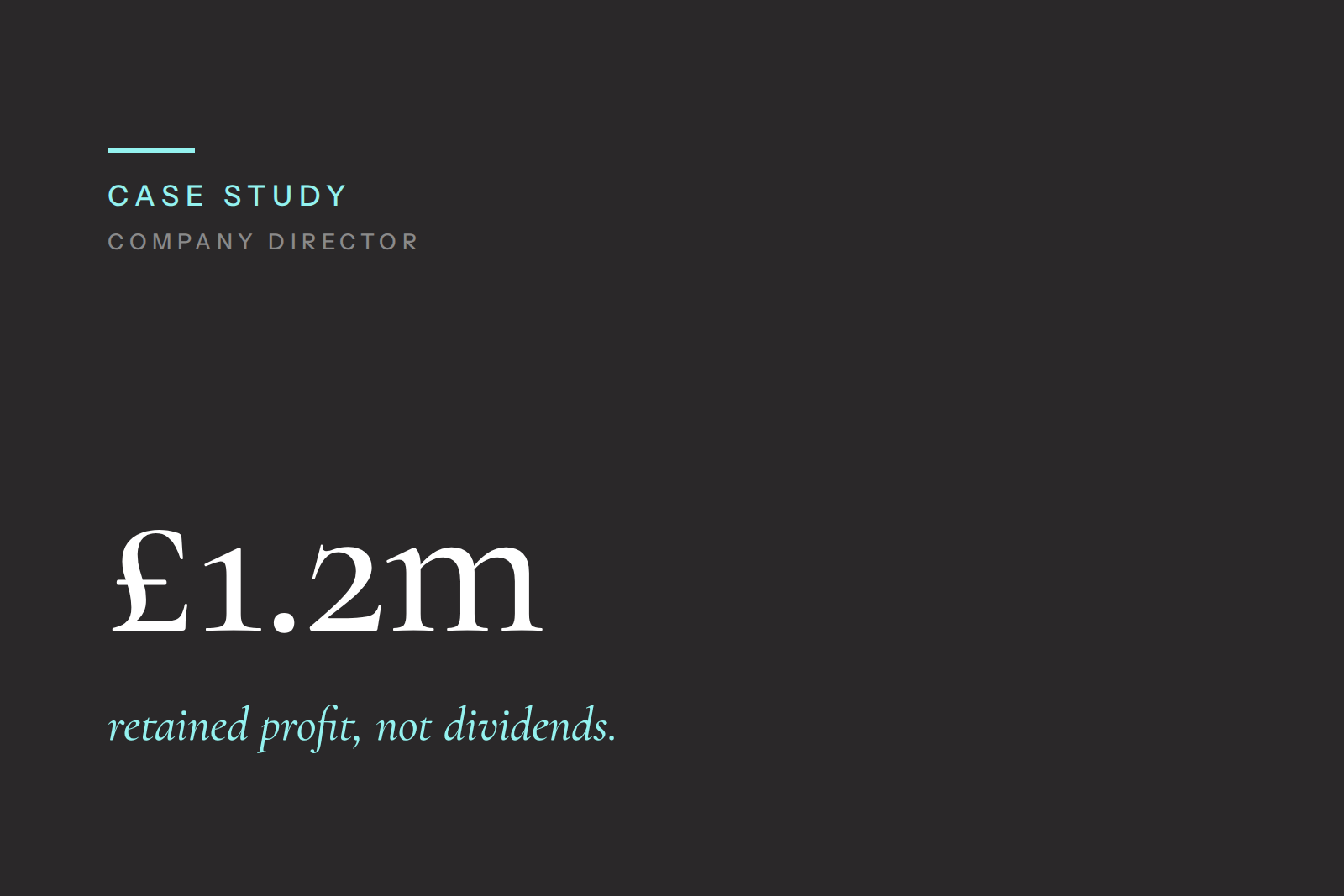
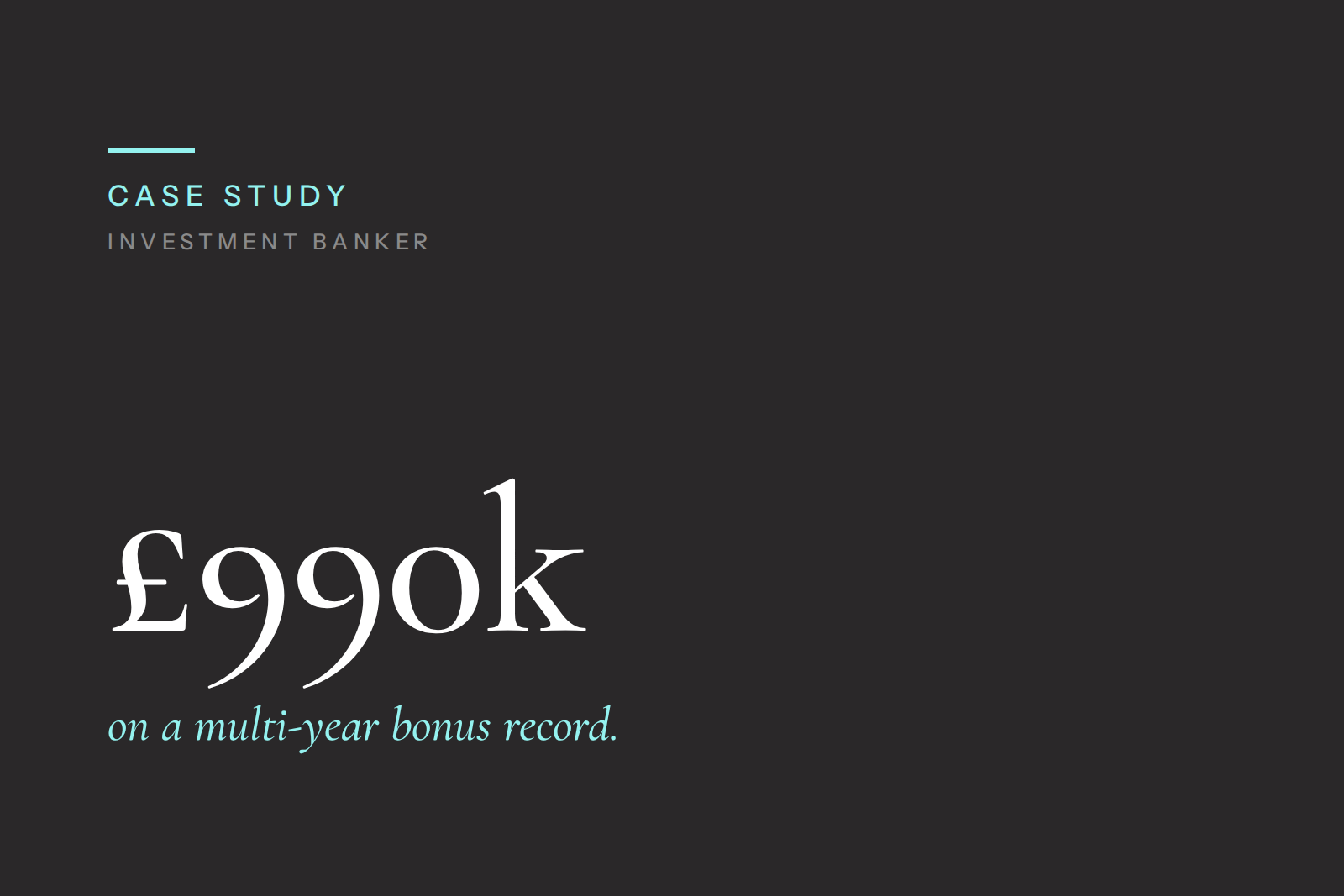
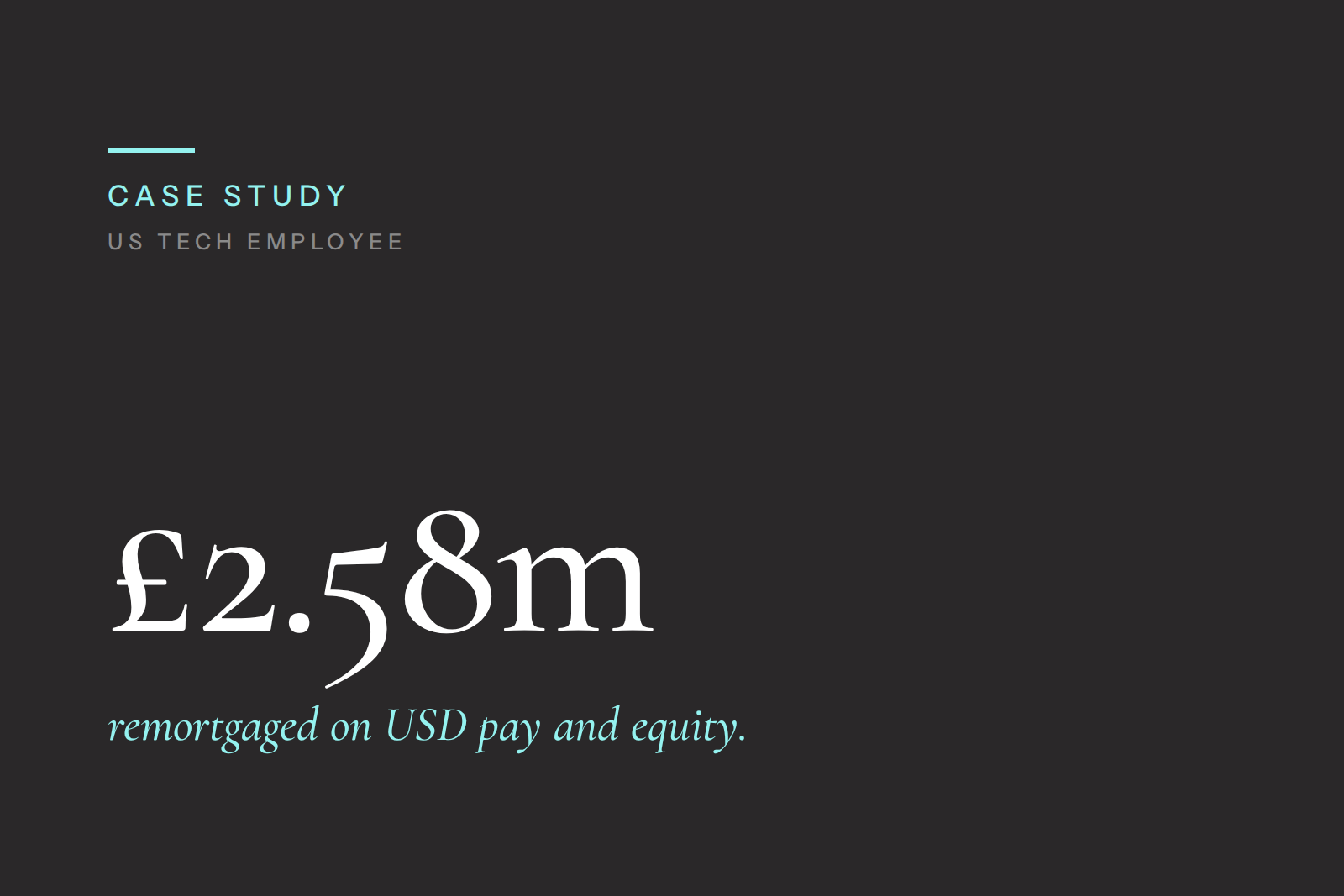
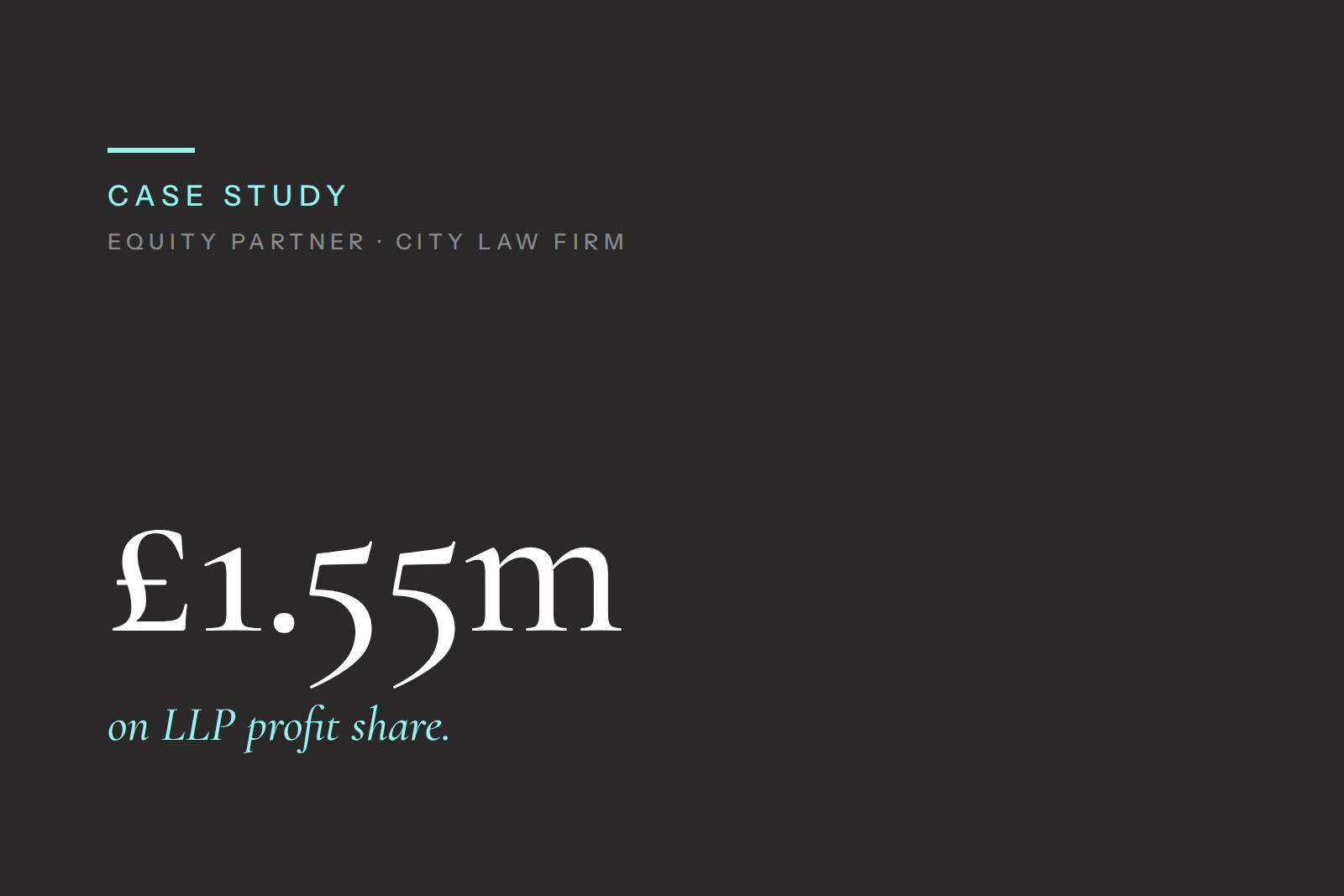
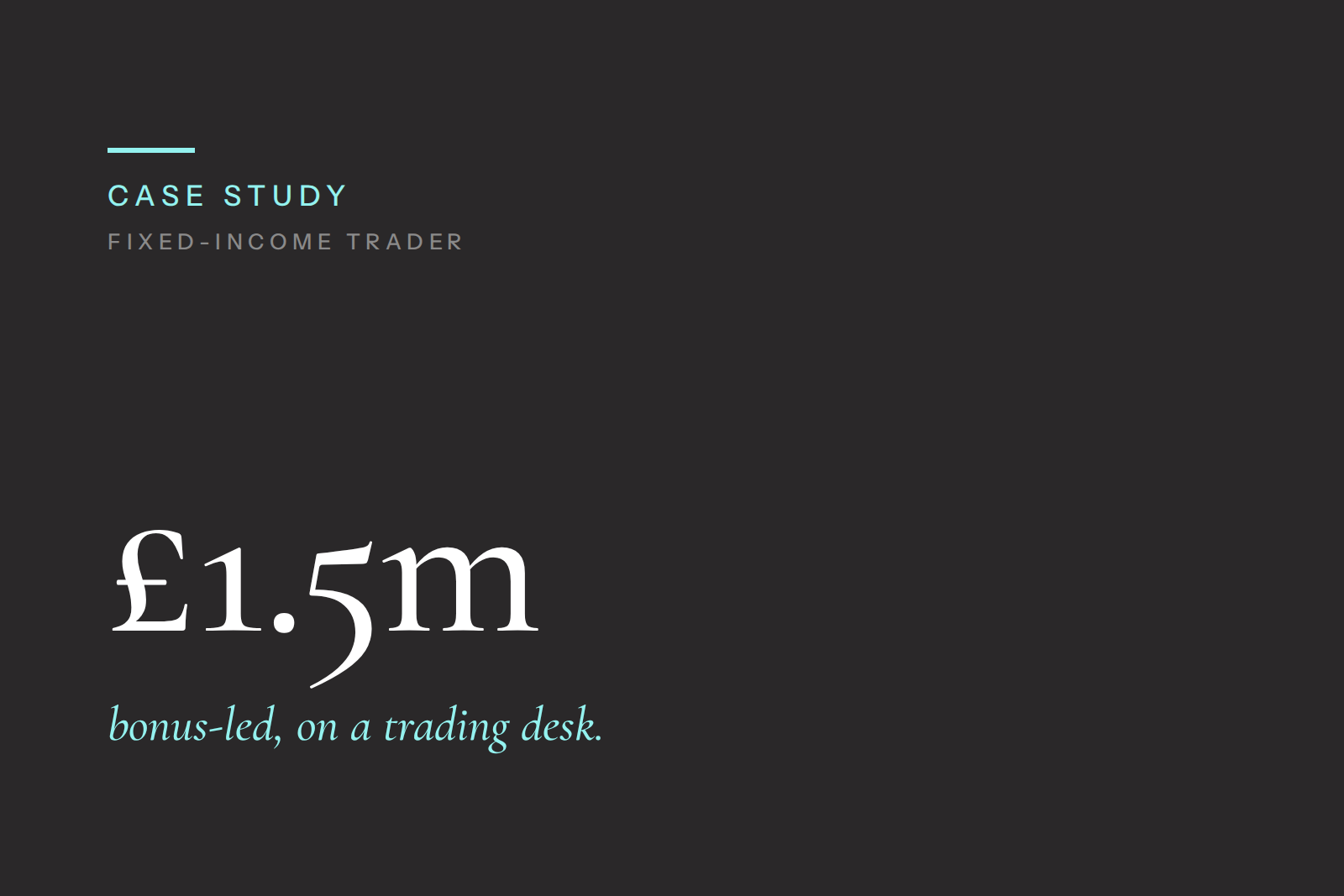
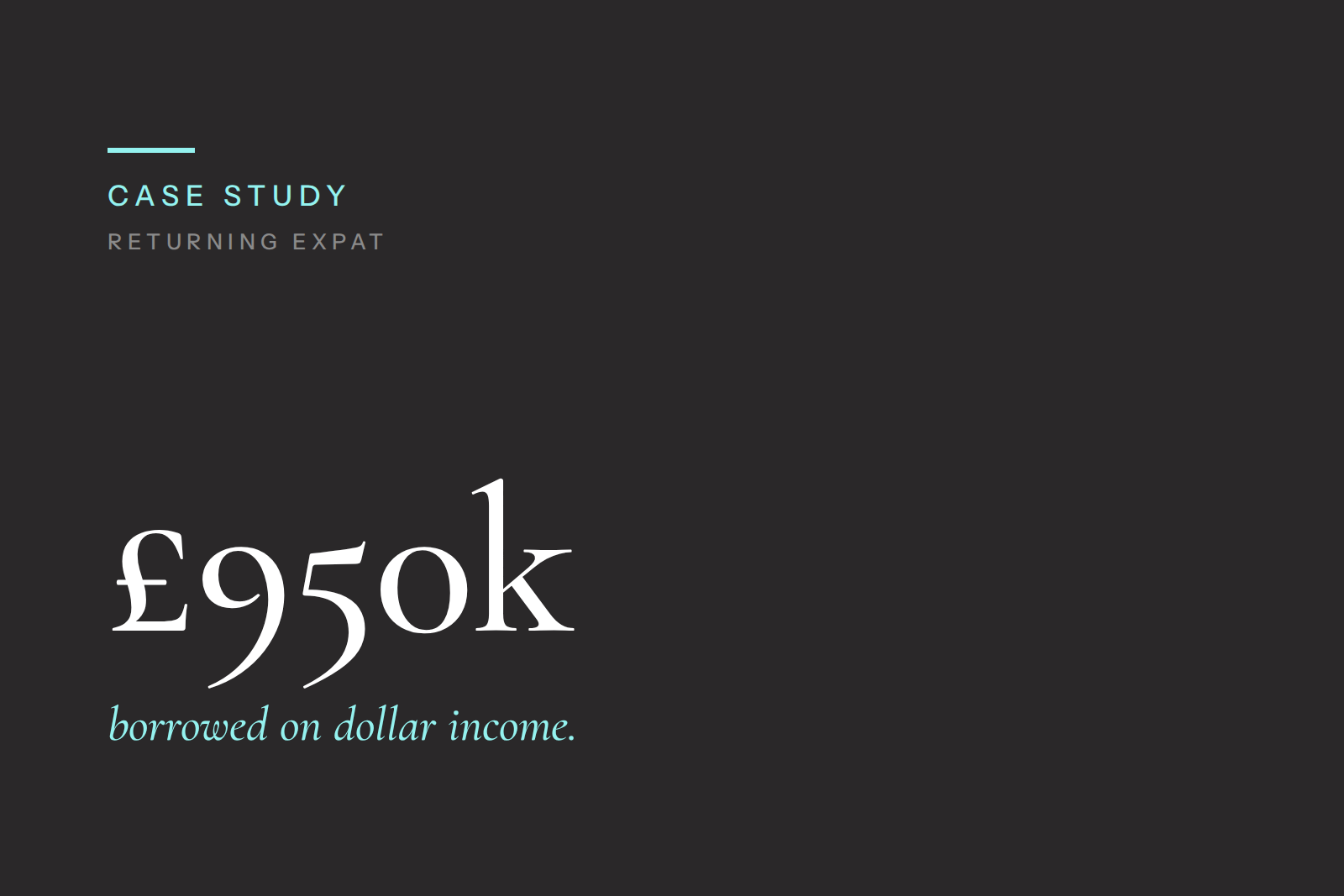
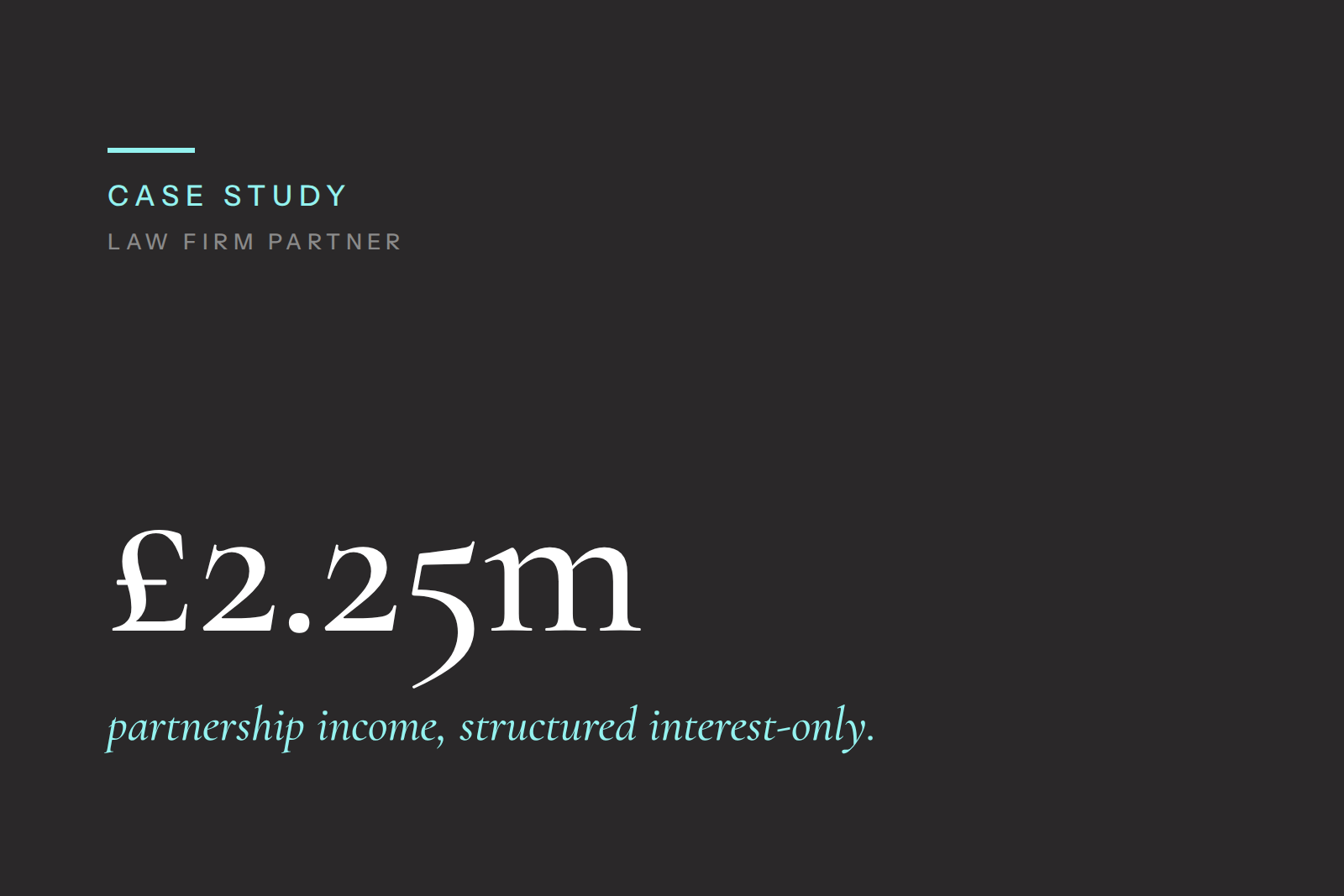
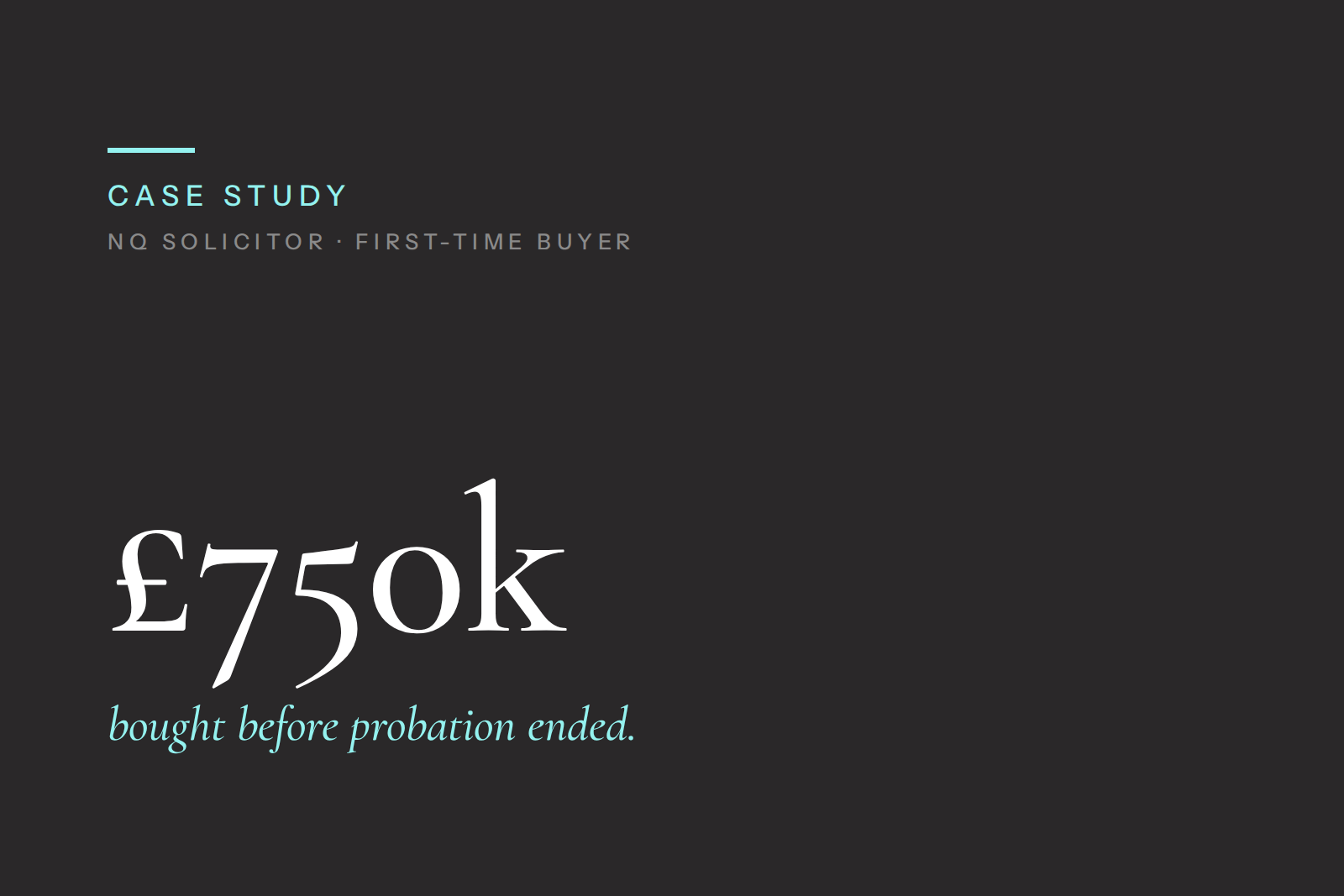
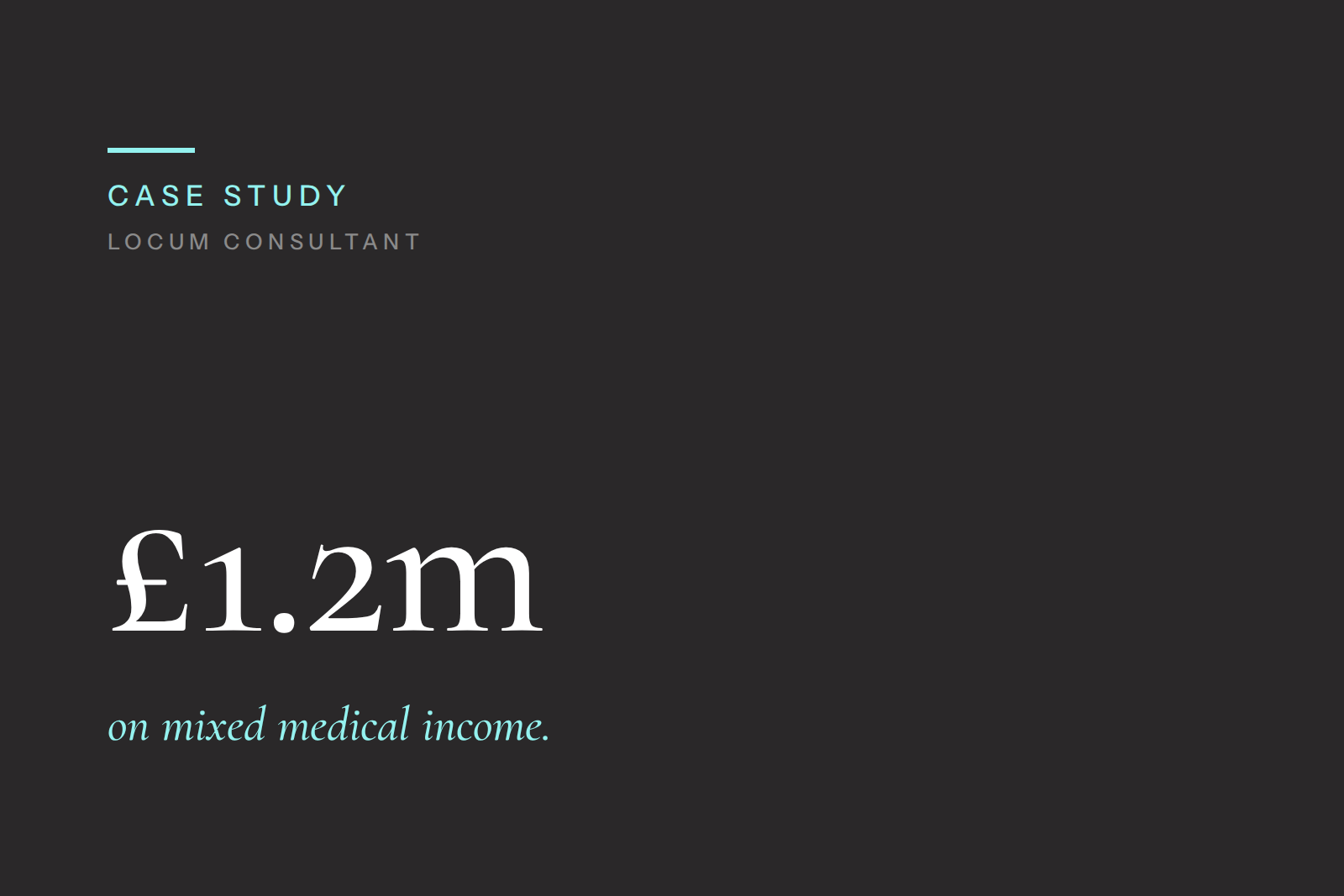
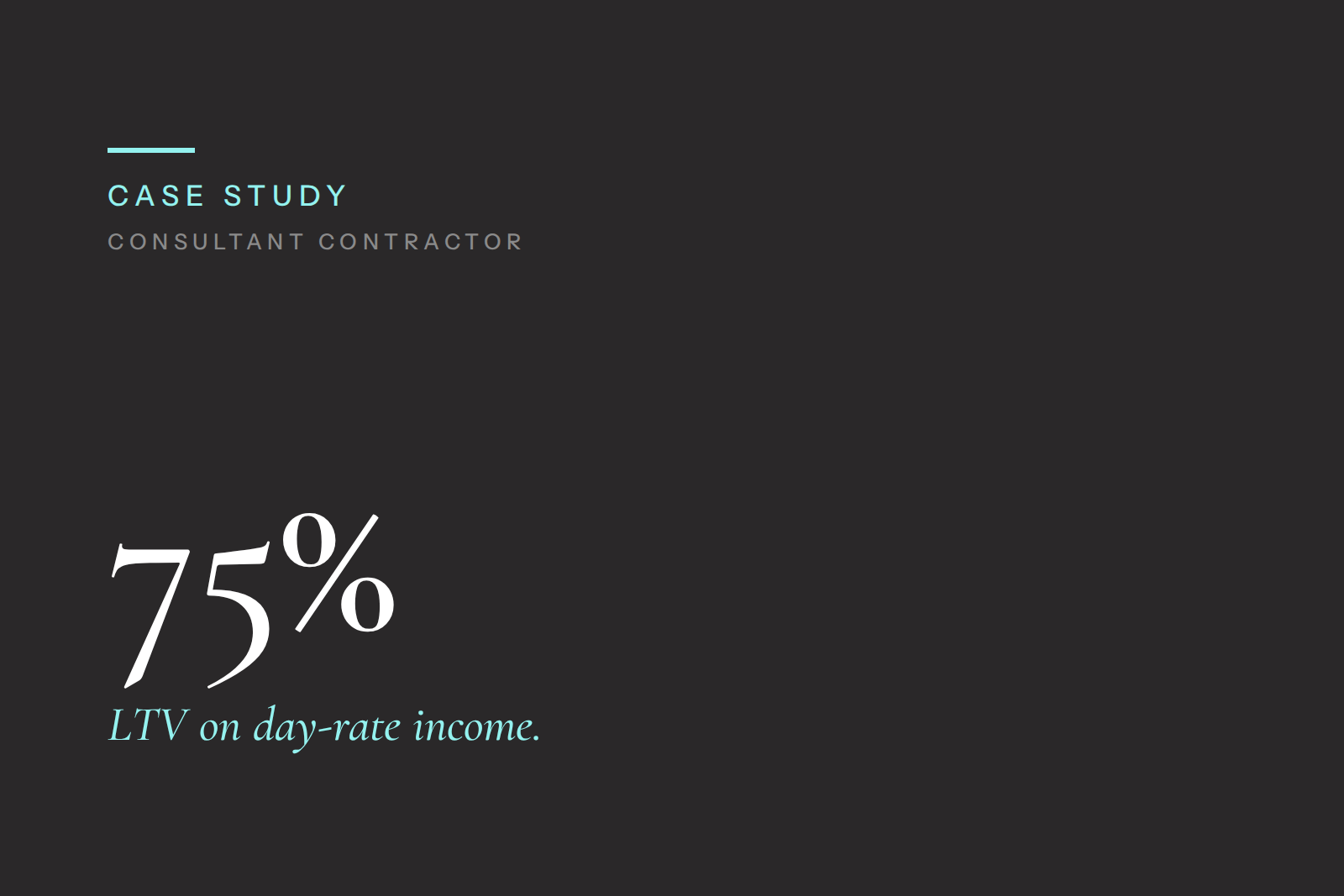
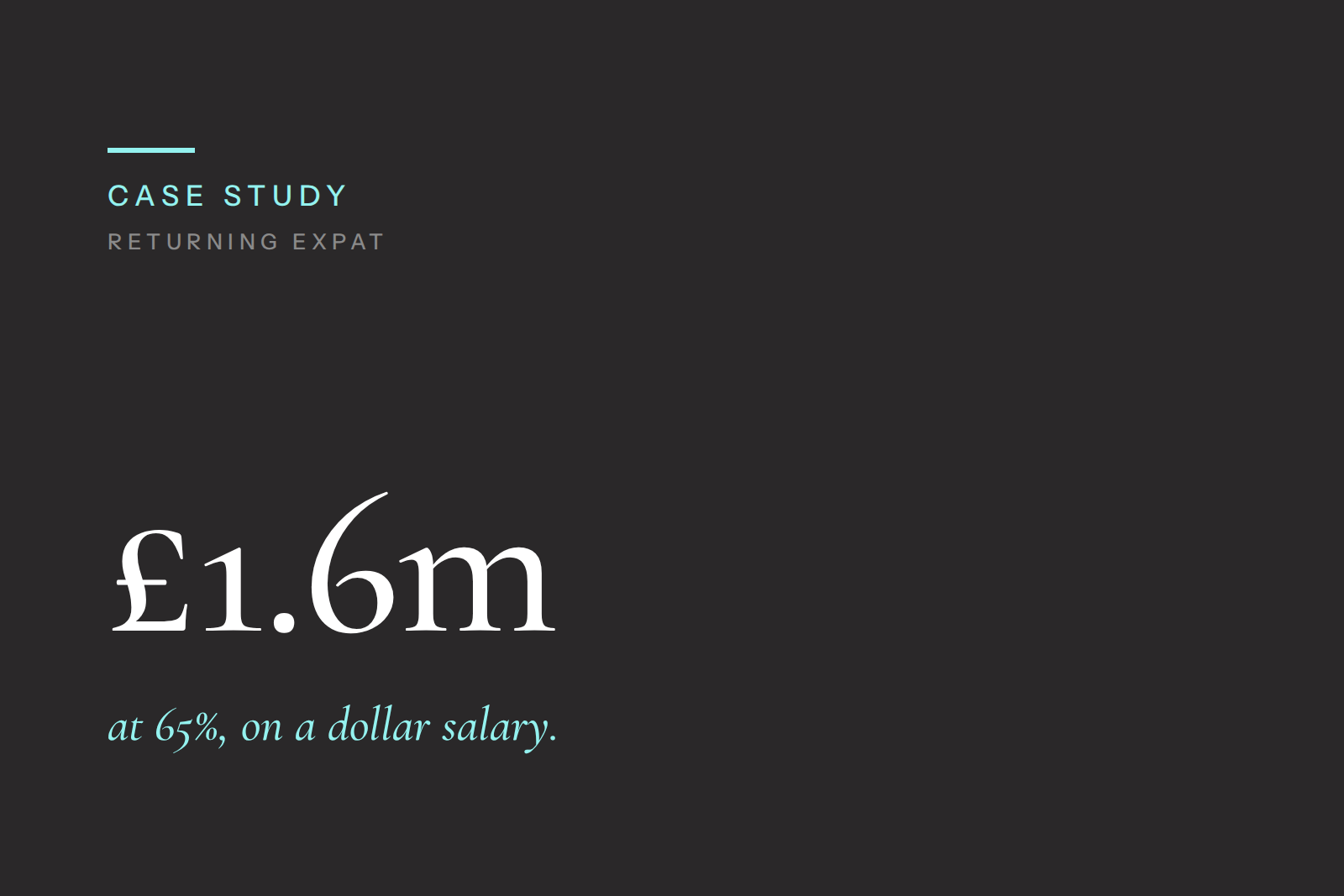
How We’ve Helped Clients Like You
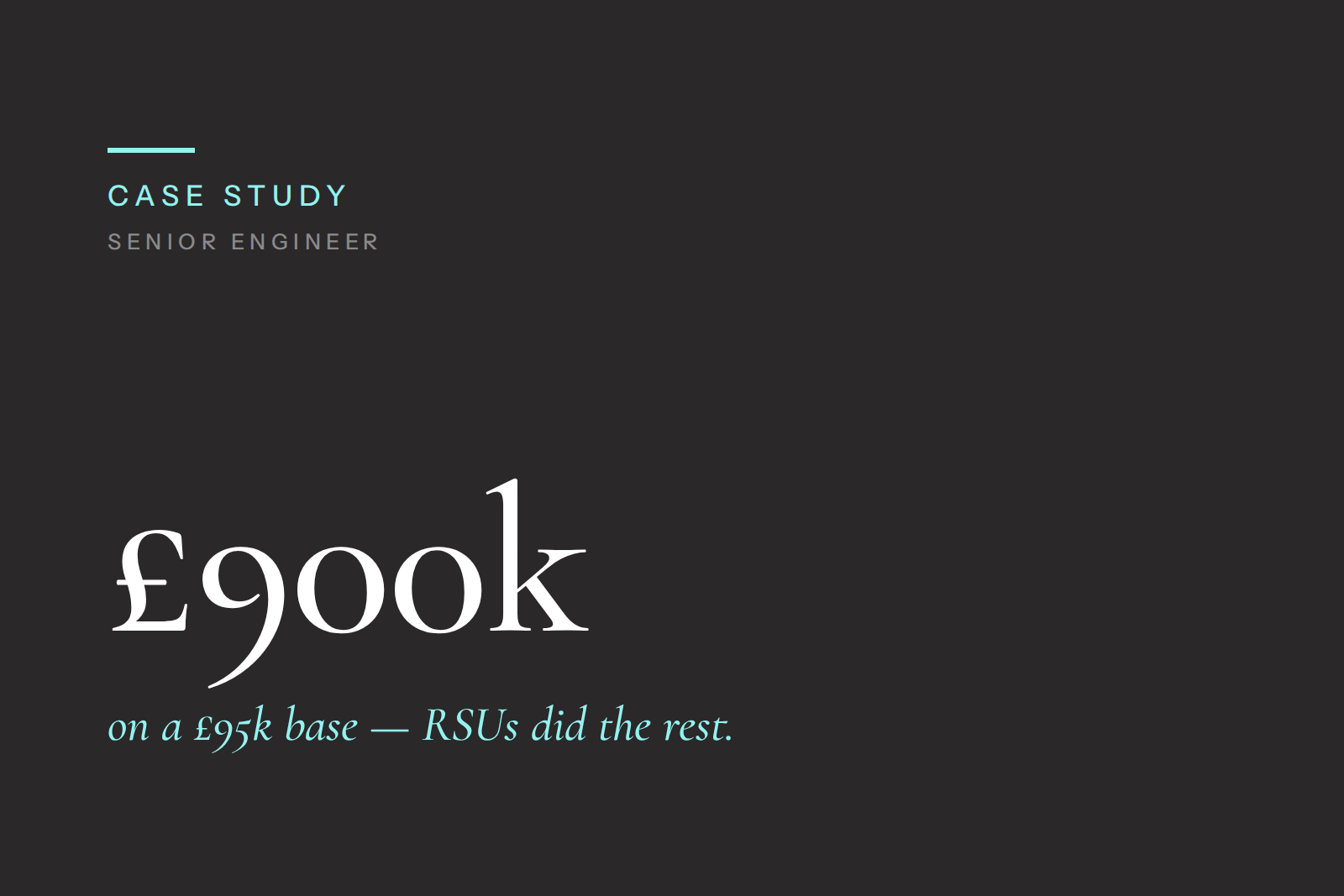
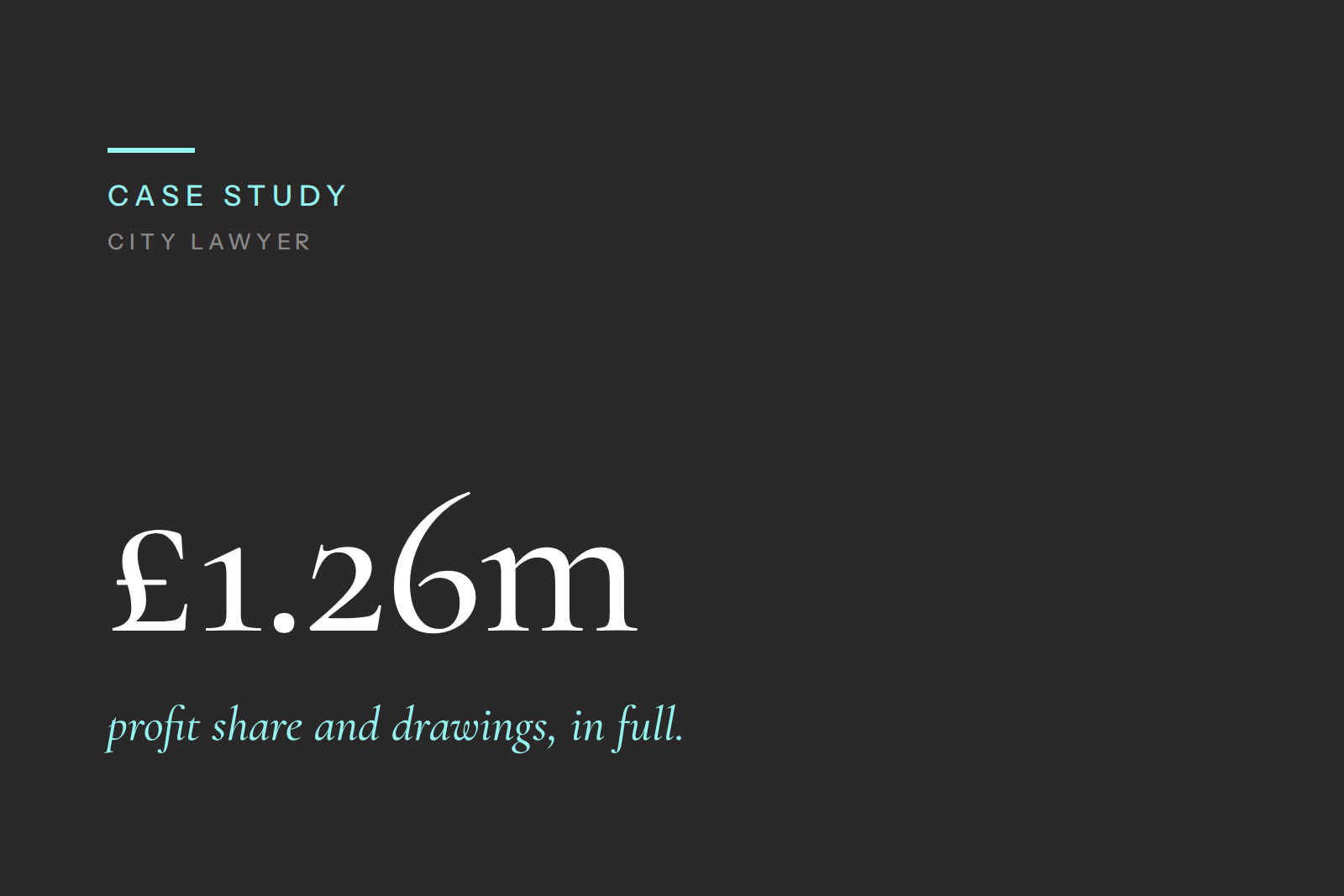
These clients faced similar challenges - here’s how we helped them secure the right deal.










Proof Lenders Usually Ask For
Core Proofs
Latest 3 Months’ Payslips (or 13 weeks if paid weekly).
P60 for the most recent tax year.
Bonus Award Letter (with employer letterhead) confirming the amount, payment date, period covered, and whether it’s guaranteed/discretionary.
Bank Statements (3–6 Months) showing the bonus credit landing.
Helpful Additions
Previous Year’s Bonus Evidence (payslip or annual comp statement) to demonstrate a consistent track record.
Employer Confirmation Letter where the payslip description is unclear (e.g., “variable pay”).
For RSUs/Deferred: Vesting schedule and broker/plan statements showing units vested and cash value received.
For Foreign Currency Bonuses: Original statements in the source currency plus the GBP conversion trail.
Timing Tips (To Maximise Inclusion)
Apply After the Bonus Has Landed: Underwriters can only use what’s evidenced. If your bonus pays in March, a February application may undercount you.
Mind the Averaging Window: If last year was unusually low, consider waiting until the current bonus pays and the average improves.
Line Up Documents Early: Bonus letters can lag payroll; request them as soon as awards are final.
Avoid Large New Commitments: New loans/credit cards before application can erode gains from bonus inclusion.

Speak To An Expert Today
Get in touch for a fee free, no-obligation chat about how we might be able to help you.
Common Pitfalls (And How to Avoid Them)
Missing Proof of Receipt: Provide the bank statement page where the bonus hits—underwriters need to see it.
Mismatched Figures: Ensure the payslip, bonus letter and P60 narrative align (gross vs net, period covered).
One‑Off Windfalls: If a special award skews the average, be ready with an explanation. Some lenders may exclude outliers.
Title/Role Changes: A move to a new employer or role shortly before the application can reduce inclusion—explain continuity.
Foreign Currency Without Trail: Always include a clear conversion trail if paid in non‑GBP.
What to Prepare (A Short Checklist)
Payslips: Last 3 months (and the bonus payslip).
P60: Most recent year.
Bonus Letter/Comp Statement: Amount, period, discretionary/guaranteed.
Bank Statements: Showing receipt.
Context Note: One page summarising role, tenure, bonus frequency and any changes.
For Partners: SA302s/TYOs and firm letter confirming drawings methodology.
How Kite Mortgages Helps
We identify lenders whose variable‑income policy aligns with your bonus profile and profession.
We help you package the evidence cleanly—no heavy calculations, just lender‑ready documents and a brief covering note.
We explain structure choices (e.g., part interest‑only, offset, split rate) that can keep payments sensible while meeting policy.
We keep an eye on timelines (bonus payment dates, offer expiry, ERC windows) so your chosen deal lands smoothly.
Request your fee free mortgage consultation today. No obligation, just sound advice.
FAQs
-
No. Policies vary. Many use 50%–75% of an average; some may use more with strong evidence.
-
Sometimes, but it’s tougher. A stronger route is two years of consistent awards.
-
Possibly—some lenders may consider enhanced multiples for recognised professions, but affordability models still govern the final figure.
-
Your income is assessed as self‑employed/LLP (SA302s/TYOs, firm letter, capital account), not as bonus.
-
Not exactly. Some lenders may use vested RSUs with a track record; unvested or heavily deferred awards are less likely to count.
Related Articles


















YOUR HOME MAY BE REPOSESSED IF YOU DON’T KEEP UP REPAYMENTS ON YOUR MORTGAGE
Kite Mortgages is a trading style of Kite Financial Ltd which is an appointed representative of The Openwork Partnership, a trading style of Openwork Limited which is authorised and regulated by the Financial Conduct Authority.
APPROVED BY THE OPENWORK PARTNERSHIP ON 22/09/2025.