
F O R E I G N C U R R E N C Y I N C O M E
Foreign currency income mortgage: how UK lenders assess non-sterling earnings and what it means for your borrowing
You work in the UK, you pay UK tax, your life is here — but your salary arrives in dollars, euros, or francs. For mortgage purposes, that single fact changes how lenders assess your income, how much they'll lend you, and which banks will consider your application at all.
Y O U R T E A MYou'll speak with a broker who structures foreign currency income applications every week

David Walsh
Director & Mortgage Broker
Founder of Kite Mortgages. Specialist in complex income structures for City professionals. Advises on mortgage strategy for high earners with partnership income, bonus-heavy pay, equity compensation, and foreign currency earnings.
View profile →
Simon Hart
Mortgage & Protection Adviser
Mortgage adviser at Kite Mortgages. Specialises in high-value purchases and remortgages for City professionals. Works with clients navigating complex income structures including variable pay, carried interest, and multi-currency earnings.
View profile →T H E K E Y D I S TI N C T I O NForeign Currency Income vs Overseas Income — Why the Distinction Matters
Before anything else, it's worth understanding a distinction that catches a lot of people out. Lenders draw a clear line between foreign currency income and overseas income, and the two are assessed very differently.
Foreign currency income means you're based in the UK, employed in the UK (or working remotely for an overseas firm), and your salary is simply paid in a currency other than sterling. You might work for a US law firm in London and receive your salary in USD. You might be employed by a European tech company and paid in EUR. Your payslips are denominated in a foreign currency, but you're a UK resident with UK tax obligations.
This is relatively straightforward. Any of the four high street banks that accept foreign income will consider your application, and the main variable is how they convert and discount that income.
Overseas income means you're physically working in another country. You live and work abroad — perhaps on secondment, perhaps permanently — and you want to borrow against a UK property. This introduces additional complexity: overseas credit checks, potential document translation, and far fewer lenders willing to engage.
Both are doable. But the process, the lender options, and the documentation requirements diverge significantly. Most of our clients fall into the first category — UK-based professionals earning in a foreign currency — and that's the primary focus of this guide.
If you're currently overseas and planning to return, see our guide for returning expats →
L E N D E R A S S E S M E N T
How UK Mortgage Lenders Assess Foreign Currency Income
The mechanics are straightforward in principle. A lender takes your income in the source currency, converts it to GBP at a reference exchange rate, and then typically applies a discount — known as a "haircut" — to the converted figure. That discounted amount is what they use for affordability.
The haircut exists to protect against currency fluctuation. If you earn $250,000 and the dollar weakens against sterling by 15% over the next year, your effective income in GBP terms drops. The lender's haircut builds in a buffer so that you can still service the mortgage even if exchange rates move against you.
In practice, though, the differences between lenders are significant — and they directly affect how much you can borrow.
What Varies Between Lenders
Three things determine how much of your foreign currency income a lender will actually use:
The size of the haircut. This ranges from 0% (NatWest, for mainstream currencies) to 25% (Santander, across all foreign income). HSBC sits in the middle at 10% to 30% depending on the specific currency. On a £200,000 salary, the difference between a 0% and 25% haircut is £50,000 of assessed income — which at a 5x multiple translates to £250,000 of borrowing power.
Which currencies they accept. Some lenders work with four currencies. Others accept over a hundred. If you're paid in USD, EUR, or CHF, you'll have options with all four high street banks. If you're paid in a less common currency — say South African rand or Turkish lira — your choices narrow considerably.
When the exchange rate is fixed. Some lenders lock in the rate at the Decision in Principle stage, which means your borrowing power won't shift if rates move before completion. Others fix the rate at underwriting, leaving a window of exposure.
The Four High Street Banks That Accept Foreign Currency Income
Only four mainstream UK banks routinely accept foreign currency income. Each has a distinct approach.
Private Banks — When High Street Isn't Enough
If you're borrowing above £1m, or your income structure is too complex for high street criteria, private banks become relevant. They don't publish fixed haircut percentages or currency lists. Instead, each case is assessed individually by a relationship manager and underwriting team.
Private banks are particularly useful when your income combines foreign currency with other complex elements — USD salary plus RSUs, or EUR base plus carried interest. High street banks struggle with layered complexity; private banks assess holistically.
The trade-off is cost. Private bank rates are typically higher than high street, and some expect you to bring investment assets alongside the mortgage. For many of our clients, though, the additional borrowing capacity more than offsets the rate premium.Only four mainstream UK banks routinely accept foreign currency income. Each has a distinct approach.
E X C H A N G E R A T E M E C H A N I C S
How Cap-and-Collar Structures and Exchange Rates Affect Your Application
Many UK-based professionals earning in foreign currency don't receive a fixed sterling amount each month. If you're paid $20,000 per month in USD, your GBP take-home fluctuates with the exchange rate. One month it might be £15,750; the next, £15,400.
Some employers — particularly US law firms and large multinationals — use a cap-and-collar mechanism. This sets a floor and a ceiling on the GBP amount you actually receive, regardless of exchange rate movement within that band.
Lenders treat this differently. Some will use the bottom of the collar as your guaranteed monthly income. Others take an average of your last three to six months' net pay in GBP. A smaller number convert from the source currency directly, applying their own reference rate and haircut.
If your employer uses a cap-and-collar structure, mention it early in the process. It can simplify the income evidence and, in some cases, improve the amount a lender will use.
C O M M O N S C E N A R I O S
Who Earns Foreign Currency Income in the UK?
Foreign currency income is more common in City professions than most people realise. Among our clients, the most frequent scenarios are:
Lawyers at US-headquartered firms. Associates and partners at firms like Kirkland & Ellis, Skadden, and Weil are typically paid in USD despite working from London offices. This is probably the single most common foreign currency scenario we see.
Investment bankers and traders at US banks. Professionals at Goldman Sachs, JPMorgan, and Morgan Stanley may receive part or all of their compensation — particularly bonuses — in USD.
Tech professionals at US companies. Software engineers and senior leaders at firms like Google, Meta, and Amazon often receive base salary or equity awards denominated in USD.
Professionals working for European firms. EUR income is common among those working for European banks, consulting firms, or multinationals headquartered in Frankfurt, Paris, or Zurich.
Senior professionals earning in CHF. Swiss-headquartered firms — particularly in banking and pharma — often pay in Swiss francs, even for employees who split their time with the UK.
In every case, the mortgage process is largely standard. The only wrinkle is how the lender treats the currency — and that's where lender selection makes the difference.
J O I N T B O R RO W E R S & D E P O S I T S
Joint Applications — When One Income Is in Foreign Currency
If you're applying jointly and only one applicant earns in a foreign currency, the process is straightforward. Each income is assessed independently. The sterling income is treated as normal; the foreign currency income is converted and (where applicable) discounted. The two figures are then combined for affordability.
The key point: the foreign currency haircut only applies to the non-sterling income. It doesn't contaminate the other applicant's earnings.
Deposit Requirements
If you're a UK resident earning in a foreign currency, deposit requirements are the same as for any other mortgage. The currency of your income doesn't change the LTV bands. For purchases up to around £500,000, some lenders will accept a 5% deposit. Above that, 10% is more common. For purchases above £1m, most lenders expect 15% or more.
The exception is if you're based overseas. Expat lenders typically require a minimum 25% deposit, and some stipulate that the deposit must come from your own savings rather than a gifted source.
S E L F E M P L O Y E D & L L P
Self-Employed and LLP Partner Income in Foreign Currency
This is where it gets more difficult. Most lenders that accept foreign currency income are set up for employed applicants. Self-employed foreign currency income introduces a second layer of complexity that most high street banks prefer to avoid.
Santander will not accept self-employed foreign currency income at all. NatWest will, but only if the business is UK or Republic of Ireland based. Halifax accepts LLP partner income in foreign currency if confirmed in writing by a finance director.
Private banks are generally the most pragmatic route for self-employed foreign currency cases, particularly at higher income levels.
If you're a law firm partner paid in foreign currency, see our guide for lawyers →
D O C U M E N T R E Q U I R E M E N T SDocuments You'll Need for a Bonus Income Mortgage
Lenders need to see clear evidence that your bonus is real, recurring, and consistent. Here's what's typically required:
Core Documents
Employment contract
Showing your role, employer, salary, and the currency it’s denominated in
Latest three months’ payslips
In the original currency — some lenders need both the foreign currency and GBP amounts
Bank statements (3–6 months)
Showing salary credits landing in your account — ideally a UK bank account
P60 or tax calculation (SA302)
Confirming your UK tax position and total earnings for the year
Currency-Specific
Employer letter confirming cap-and-collar
If your employer applies a floor/ceiling to your GBP payments, a letter confirming the structure can streamline underwriting
Exchange rate conversion trail
Original currency amount, GBP equivalent, rate used, and date of calculation
Remuneration letter
If payslips show only GBP but your contract is denominated in a foreign currency
Overseas credit report
Required where UK credit history is thin — US, EU, or Australian bureau data accepted by some lenders
For Self-Employed / LLP Partners
Last two years’ accounts or tax calculations
With income clearly shown in the source currency
Accountant’s confirmation letter
Confirming income, currency, and business structure
Contract or engagement letter
Showing the terms of the partnership or self-employment arrangement and the currency of payment
Timing Tips
Start early
Overseas credit reports and document translations can add 2–4 weeks to the process
Get your employer letter lined up
Ask for salary confirmation and any cap-and-collar details as soon as you start thinking about buying
Apply when rates are favourable
Locking in a DIP when your currency is strong can protect your borrowing power
W H O T H I S A P P L I E S T OWhich Professionals Deal With Foreign Currency Income?
Foreign currency income is relevant across all six of the professions we work with. Start with the guide below that matches your role.
Lawyers & Law Firm Partners
Associates at US-headquartered firms are typically paid in USD. Partners at international firms may receive profit share in dollars or euros. Currency treatment is usually straightforward, but lender selection still matters.
View guide →
Investment Banking Professionals
USD bonuses are common at US banks. Base salary may be in GBP with bonus in USD, creating a split-currency application. How the bonus haircut and currency haircut interact is critical.
View guide →
Trading & Investment Professionals
Many London-based traders at US banks receive all or part of their compensation in USD. Bonus-led income combined with currency risk requires careful lender matching.
View guide →
Private Equity Professionals
Carried interest and co-invest returns may be denominated in USD or EUR depending on fund domicile. Foreign currency adds a layer to an already complex income structure.
View guide →
Hedge Fund Professionals
Performance-linked pay in USD or EUR, combined with fund-level complexity, means most foreign currency hedge fund applications route through private banks.
View guide →
Tech & Product Leaders
USD base salary, RSUs in US-listed stock, and equity awards valued in dollars are standard for UK employees of US tech firms. Currency and equity compensation intersect here more than any other profession.
View guide →
R E L A T E D G U I D E S
Explore related guides
Bonus Income Mortgages
How lenders assess annual and quarterly bonuses — including bonuses paid in foreign currency and how the currency haircut interacts with bonus averaging
Equity Compensation & RSU Mortgages
RSUs, stock options, and deferred equity — many denominated in USD. How currency treatment applies to equity-based income
Large Mortgage Loans
Routes to borrowing above £1m. Private banks become relevant when high street haircuts reduce borrowing below the required level
Interest-Only for High Earners
When interest-only makes sense for managing cash flow — particularly useful if your income fluctuates with exchange rates
Private Bank Mortgages
When bespoke underwriting is worth the premium — including how private banks treat foreign currency income differently from the high street
A R T I C L E SArticles on foreign currency income and mortgages



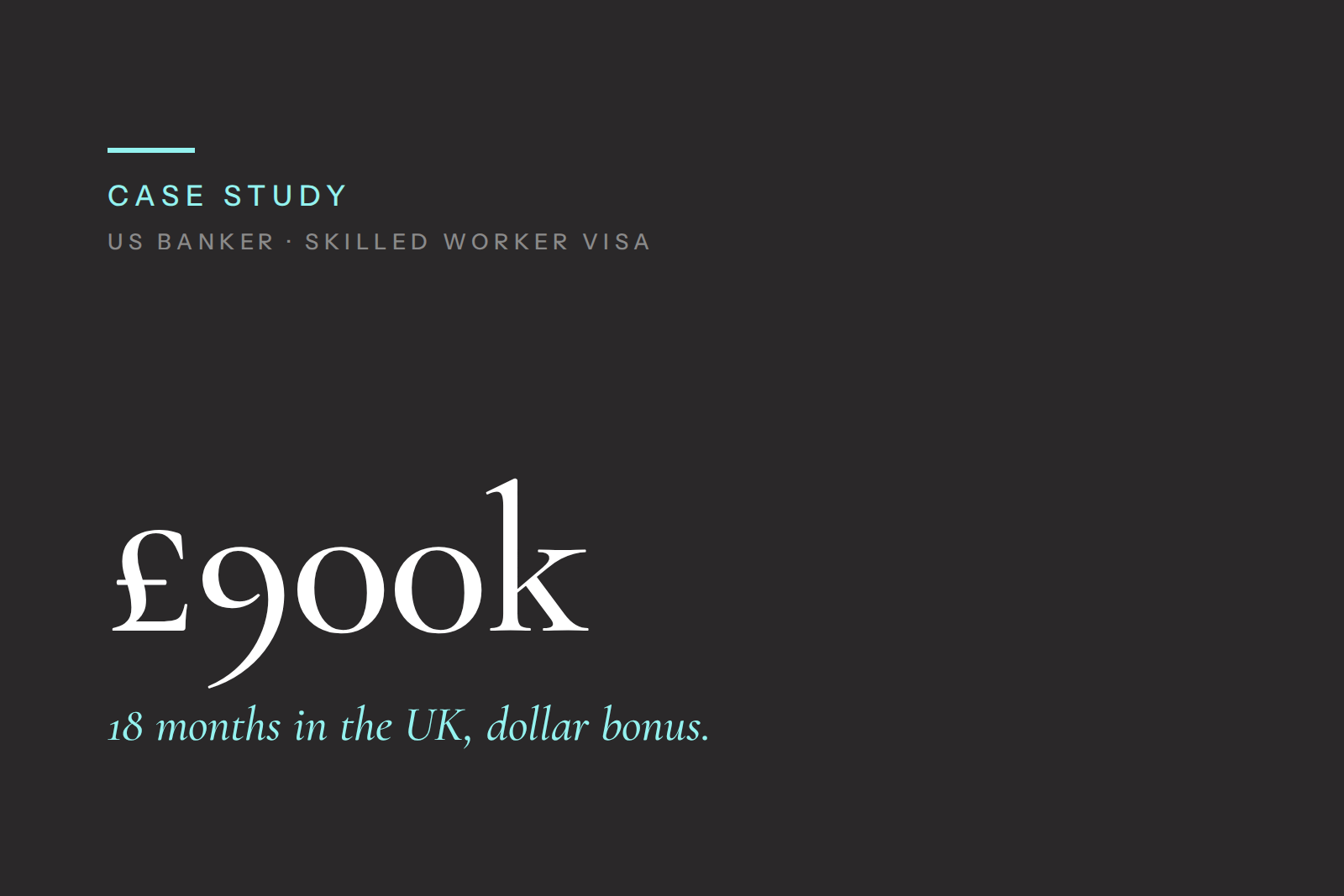
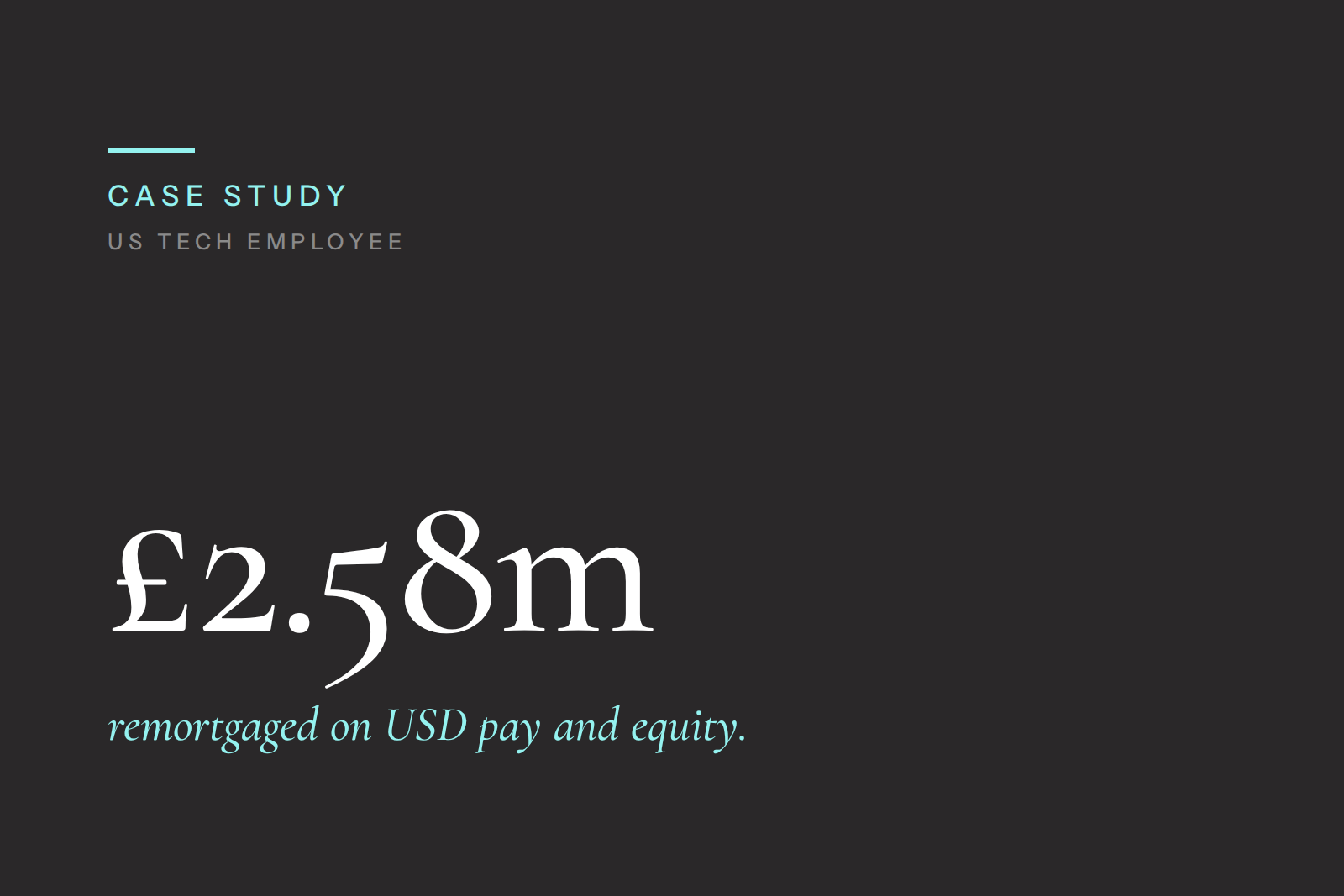
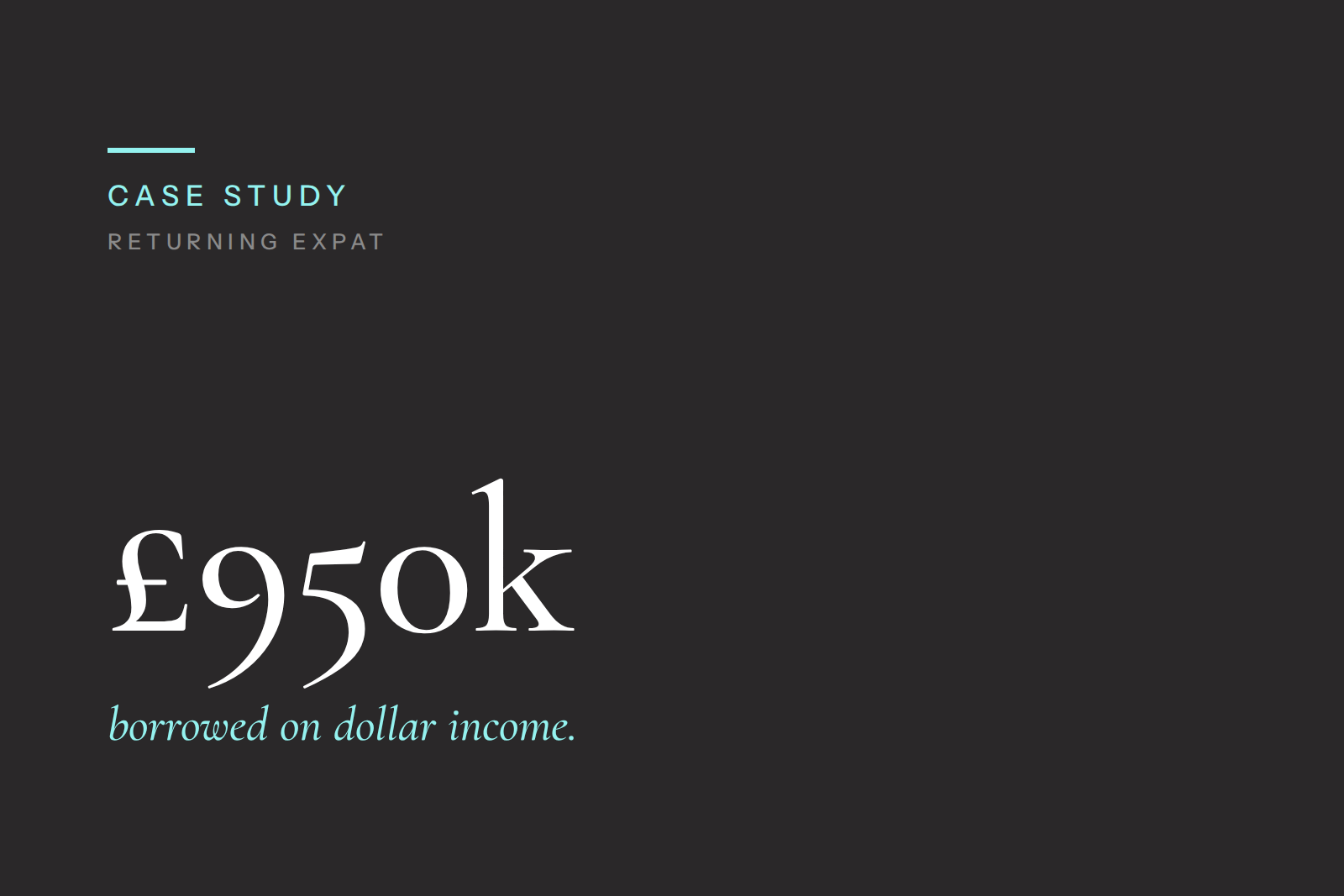
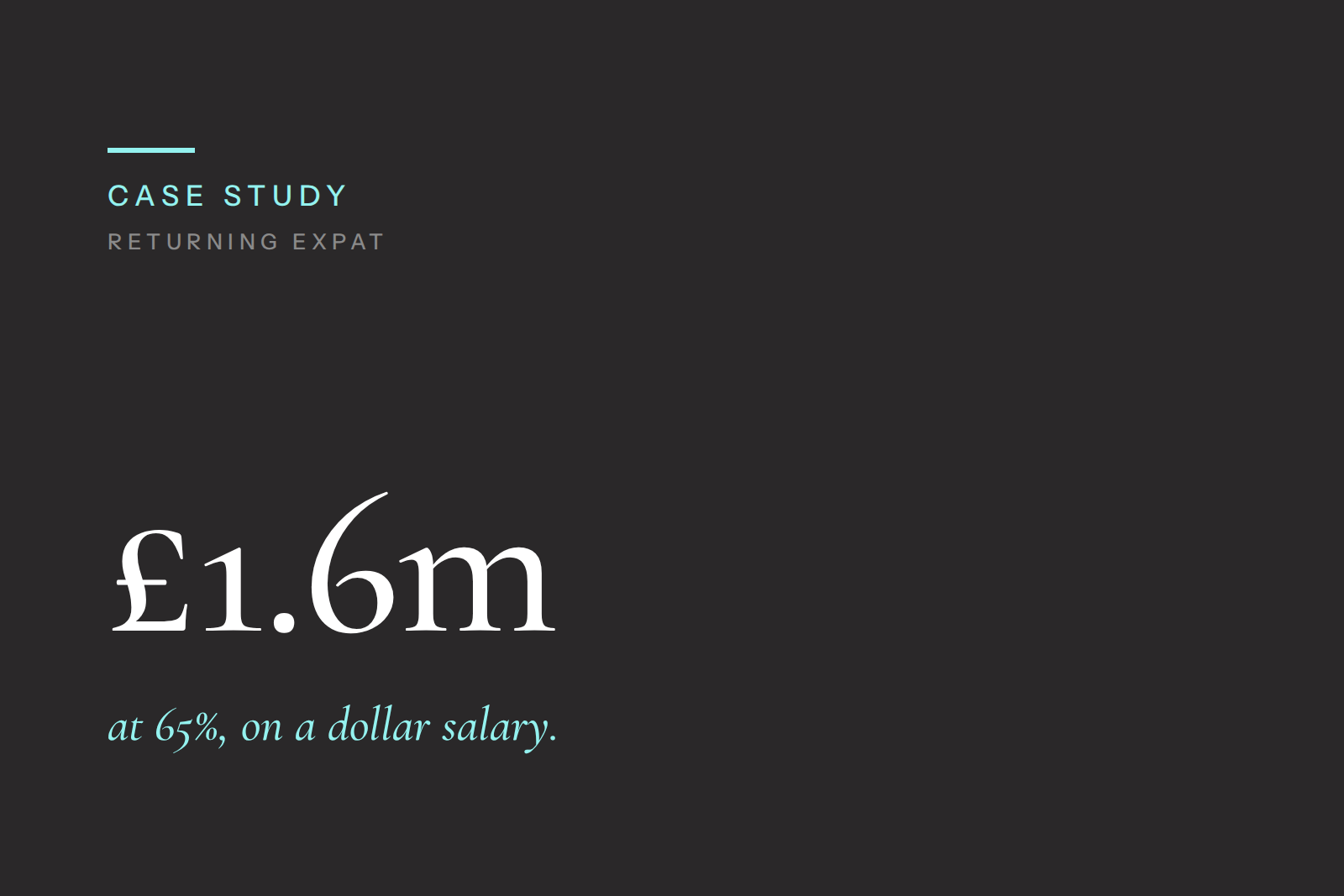
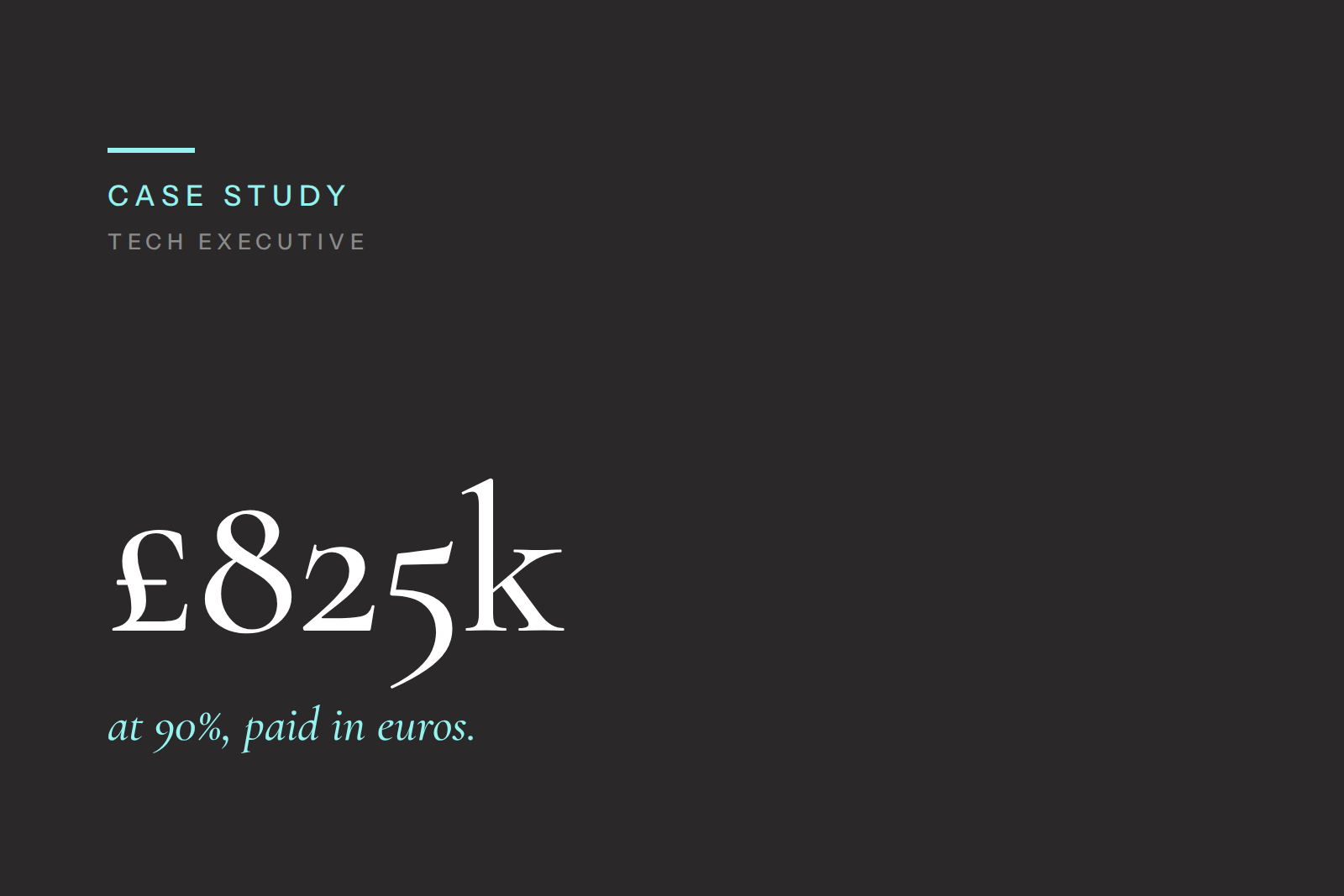
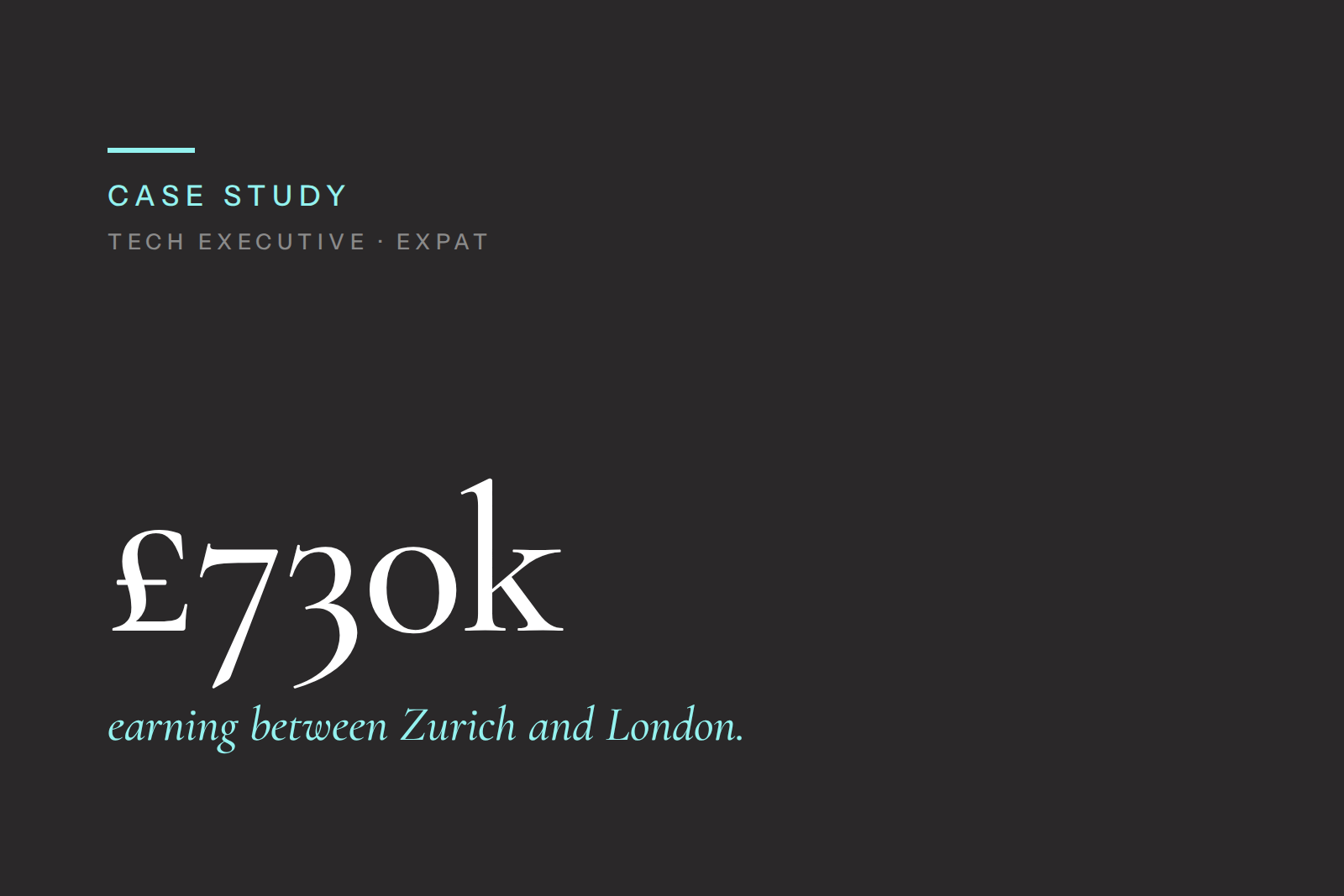
C A S E S T U D I E SHow we've helped clients with foreign currency income



F A Q sFrequently Asked Questions
-
Yes. Several mainstream UK banks accept foreign currency income for mortgage applications, provided you meet their criteria and the currency is on their accepted list. The four high street banks that routinely consider foreign income are Halifax, HSBC, NatWest, and Santander. If you're borrowing larger sums — typically above £1m — private banks offer additional flexibility. Most of our foreign currency clients are UK residents earning in USD, EUR, or CHF, and for these currencies the process is largely standard aside from the income conversion and any haircut applied.
-
A haircut is a percentage discount that lenders apply to your converted income to account for exchange rate risk. If you earn $250,000 and a lender applies a 20% haircut, they'll assess your income as $200,000 (then convert to GBP). Haircuts typically range from 0% to 25% depending on the lender and the stability of the currency. NatWest currently applies no haircut on mainstream currencies. Halifax applies 20%. Santander applies 25%. HSBC varies from 10% to 30% depending on the specific currency. The haircut directly affects how much you can borrow, so lender selection is critical.
-
It varies by lender. Santander accepts four currencies (USD, EUR, CHF, AED). Halifax accepts five (USD, EUR, AUD, INR, CHF). NatWest accepts 17 currencies. HSBC maintains an extensive matrix covering hundreds of currencies worldwide. For mainstream currencies like USD, EUR, and CHF, all four high street banks will consider your application. For less common currencies, HSBC and NatWest offer the broadest coverage — though haircuts may be higher for less stable currencies.
-
Yes, it can. Some employers — particularly US law firms — pay staff in GBP each month, but the employment contract specifies the salary in USD or another currency. Even though you receive sterling, lenders may treat this as foreign currency income because the underlying contract introduces exchange rate risk. Your monthly GBP payments may fluctuate, and lenders will want to understand whether there's a cap-and-collar mechanism protecting against large swings. An employer letter explaining the arrangement is usually sufficient to resolve this.
-
Not always. Halifax, for example, allows income to be paid into overseas accounts — there's no requirement for a UK bank account. NatWest and HSBC generally prefer income to flow through a UK account but may accept overseas banking in certain circumstances. For overseas applicants specifically, HSBC requires a UK bank account to service the mortgage. In practice, having a UK account simplifies the process and gives underwriters a clear trail of income credits — we'd always recommend it where possible.
-
This is possible but more limited. Santander won't accept self-employed foreign currency income at all. NatWest will, but only if the business is UK or Republic of Ireland based. Halifax accepts LLP partner income in foreign currency with written confirmation from a finance director. HSBC and private banks are generally the most flexible for self-employed foreign currency cases. The documentation requirements are heavier — you'll typically need at least two years of accounts or tax calculations, plus evidence of the currency and business structure.
-
If you're a UK resident and the only unusual factor is your currency, processing times are largely standard — around two to four weeks from application to offer. Complexity adds time: if you need documents translated, an overseas credit report, or you're applying from abroad, allow an additional two to four weeks. Starting early and having all documentation ready before you apply is the single biggest factor in keeping timescales tight.
-
Not necessarily. If you're a UK resident earning in a mainstream currency, you'll have access to the same products and rates as any other borrower through the high street banks that accept foreign income. The currency itself doesn't trigger higher rates. However, if your income structure pushes you toward a private bank — because of layered complexity or because high street haircuts reduce your borrowing below what you need — private bank rates are typically higher. The question is whether the additional borrowing capacity justifies the rate premium, which depends on your specific situation.
W H Y U S E A B R O K E RHow Kite Mortgages Helps With Foreign Currency Income
We structure foreign currency income applications every week. We know which lenders apply which haircuts, which currencies each bank accepts, when exchange rates are fixed in the process, and how to position your income for the strongest outcome. We also know which underwriting teams within each bank handle foreign income most effectively — because the right desk can be as important as the right lender.
We'll review your income, model your borrowing power across multiple lenders (factoring in each one's haircut and currency policy), tell you exactly what documents to prepare, and package the application so your income is presented as clearly as possible. If your income combines foreign currency with other complex elements — bonuses, RSUs, partnership drawings — we'll structure the whole picture, not just the currency component.
We work with all four high street banks that accept foreign income, plus private banks for larger or more complex cases.